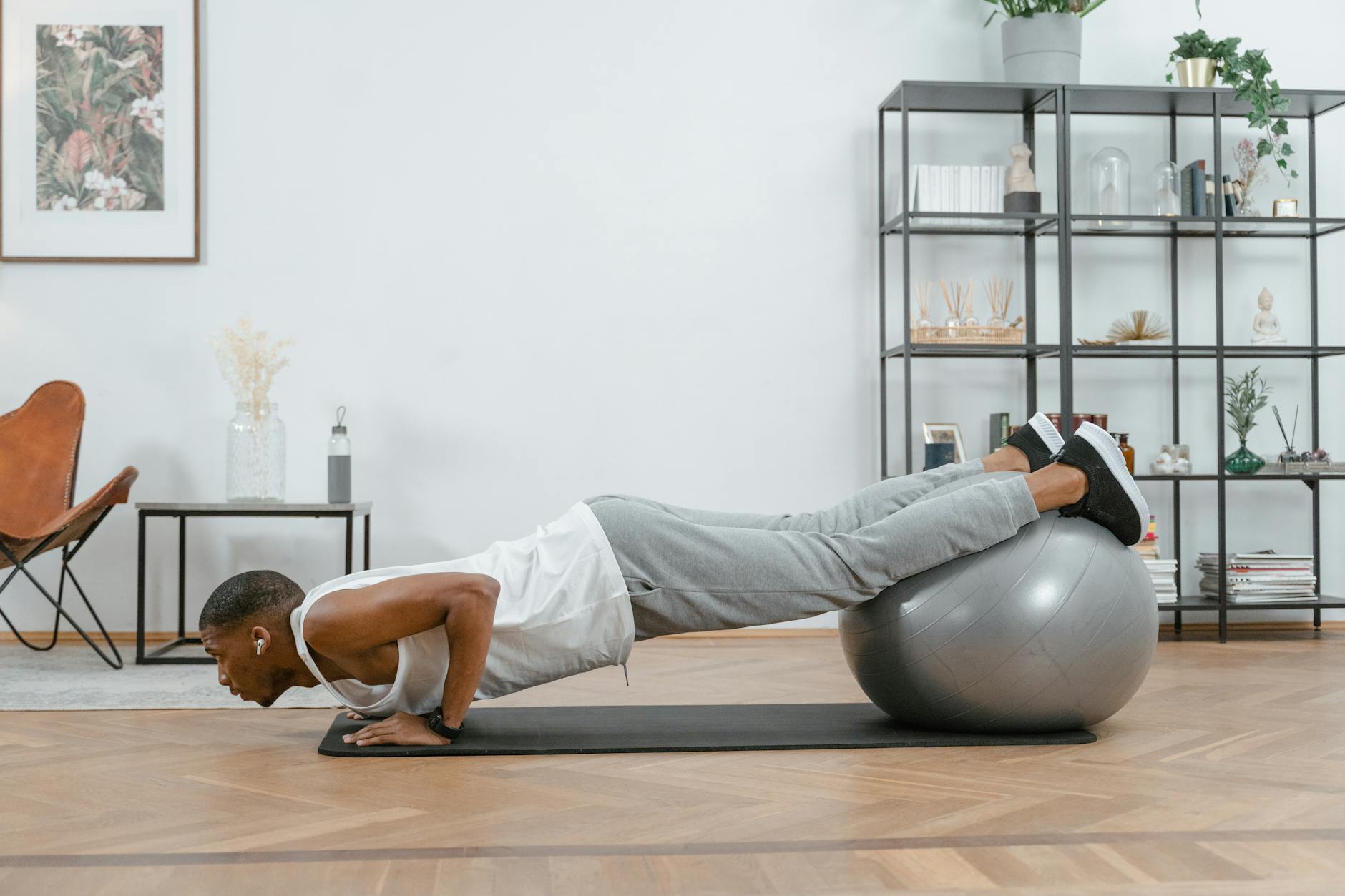
A TikTok fitness routine dubbed the ‘10-Minute Miracle’ is going viral, drawing millions into quick, equipment-free workouts. Experts weigh in on its effectiveness and social media’s impact on exercise habits.
On April 10, 2026, the ‘10-Minute Miracle’ workout exploded across TikTok, captivating millions with its promise of fast, equipment-free fitness gains and sparking a national conversation about social media-driven exercise trends.
The ‘10-Minute Miracle’ routine, created by fitness influencer Jenna Lee (@jennafitnow), has amassed over 120 million views in just two weeks, according to TikTok analytics. The workout’s appeal lies in its simplicity: ten bodyweight exercises performed for one minute each, requiring no equipment or gym membership.
Social media platforms have long been fertile ground for fitness trends, but the speed and scale of the ‘10-Minute Miracle’ phenomenon are unprecedented. Experts say the routine’s accessibility and viral format have made it especially popular among Gen Z and millennials, many of whom seek efficient, at-home fitness solutions.
The Rise of the ‘10-Minute Miracle’
Jenna Lee first posted the routine on March 27, 2026, demonstrating each exercise in a rapid-fire, visually engaging video. Within 48 hours, the hashtag #10MinuteMiracle trended globally, and thousands began sharing their own attempts and progress updates.
The workout consists of jumping jacks, squats, push-ups, mountain climbers, high knees, lunges, planks, burpees, tricep dips (using a chair), bicycle crunches, and a one-minute cool-down stretch. The format encourages users to push themselves, with Lee’s energetic narration and timer overlays adding to the appeal.
Why This Routine Went Viral
According to social media researcher Dr. Priya Nair, the routine’s brevity and inclusivity are key drivers of its success. "People want results without a huge time commitment. The ‘10-Minute Miracle’ lowers barriers to entry and leverages TikTok’s algorithm to reach a massive audience," she told The Guardian.

Data from TikTok shows that videos tagged with #10MinuteMiracle have collectively garnered over 1.1 billion views as of April 10, 2026. Fitness app downloads have also surged by 22% in the past week, according to App Annie, as users seek to track their progress.
Expert Opinions on Effectiveness
Health professionals have weighed in on the trend. Dr. Marcus Green, a sports medicine physician at NYU Langone Health, says, "Short, high-intensity routines like this can boost cardiovascular health and burn calories, especially for beginners. However, users should listen to their bodies and adapt exercises as needed."
Personal trainers caution that while the routine is safe for most healthy adults, those with joint issues or chronic conditions should consult a doctor before starting. The American Council on Exercise notes that consistency and proper form are crucial to preventing injuries.
Community and Motivation
The viral challenge has fostered a sense of community, with users posting daily updates, tips, and motivational messages. Lee herself interacts with followers, offering encouragement and modifications for different fitness levels.
One participant, 24-year-old college student Maya Patel, told CNN, "I never thought I’d stick to a routine, but seeing others post their progress keeps me accountable. It’s like a virtual workout group."
Social Media’s Role in Fitness Trends
This is not the first time a fitness trend has swept social media. In 2020, the ‘Chloe Ting Challenge’ and ‘75 Hard’ gained popularity, but experts say the ‘10-Minute Miracle’ is unique for its inclusivity and minimal time requirement.
A 2025 Pew Research Center survey found that 61% of Americans aged 18-34 have tried a workout seen on social media. The immediacy of platforms like TikTok accelerates the spread of new routines, sometimes outpacing scientific evaluation.
Potential Downsides and Criticisms
Some fitness experts warn that viral routines can oversimplify exercise science. "Not all bodies respond the same way, and quick fixes can create unrealistic expectations," says Dr. Green. Others note that social media can amplify both healthy and unhealthy behaviors.
There have been reports of minor injuries among participants attempting advanced moves without proper warm-up or guidance. TikTok has responded by adding safety disclaimers and links to certified fitness resources on related videos.
Economic and Industry Impact
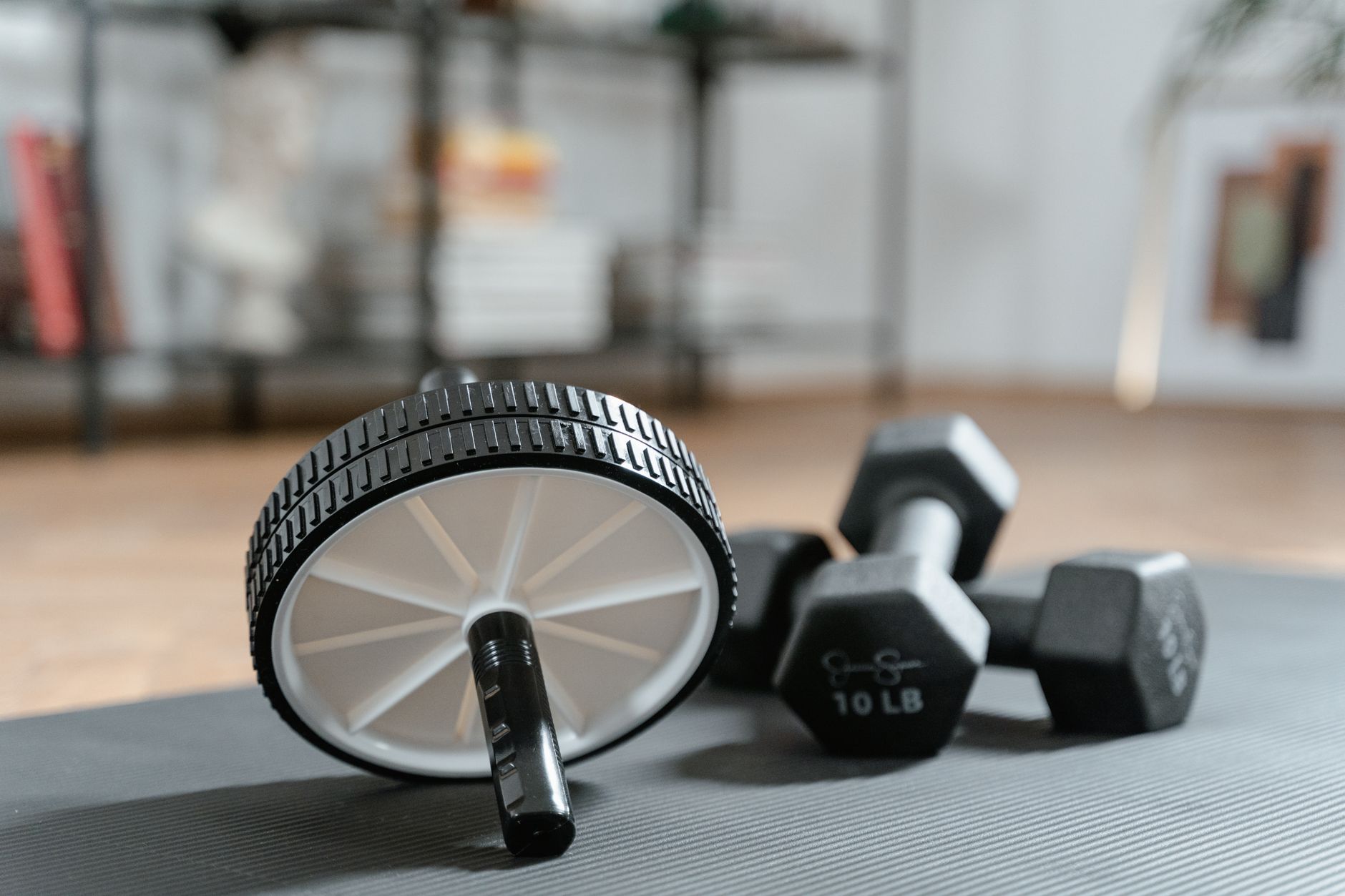
Fitness brands and app developers are capitalizing on the trend. According to Business Insider, several companies have partnered with Jenna Lee for sponsored content, and sales of home workout accessories have risen by 18% in the past ten days.
Gyms are also adapting, with some offering ‘10-Minute Miracle’ classes and incorporating the routine into group sessions. Industry analysts believe this hybrid approach—blending online trends with in-person experiences—will shape the future of fitness.
What’s Next for Viral Fitness?
Jenna Lee has announced plans to release a series of follow-up routines and a mobile app, aiming to maintain momentum and promote safe, sustainable exercise. Meanwhile, health organizations are working to provide accurate information and encourage balanced fitness habits.
As the ‘10-Minute Miracle’ continues to trend, experts urge users to prioritize safety, listen to their bodies, and consult professionals if needed. The phenomenon highlights both the power and pitfalls of social media in shaping public health behaviors.
Sources: This article cites data and commentary from TikTok analytics, The Guardian, CNN, NYU Langone Health, the American Council on Exercise, Pew Research Center, Business Insider, and App Annie.
Sources: Information sourced from TikTok analytics, The Guardian, CNN, NYU Langone Health, and other reputable industry and health sources.