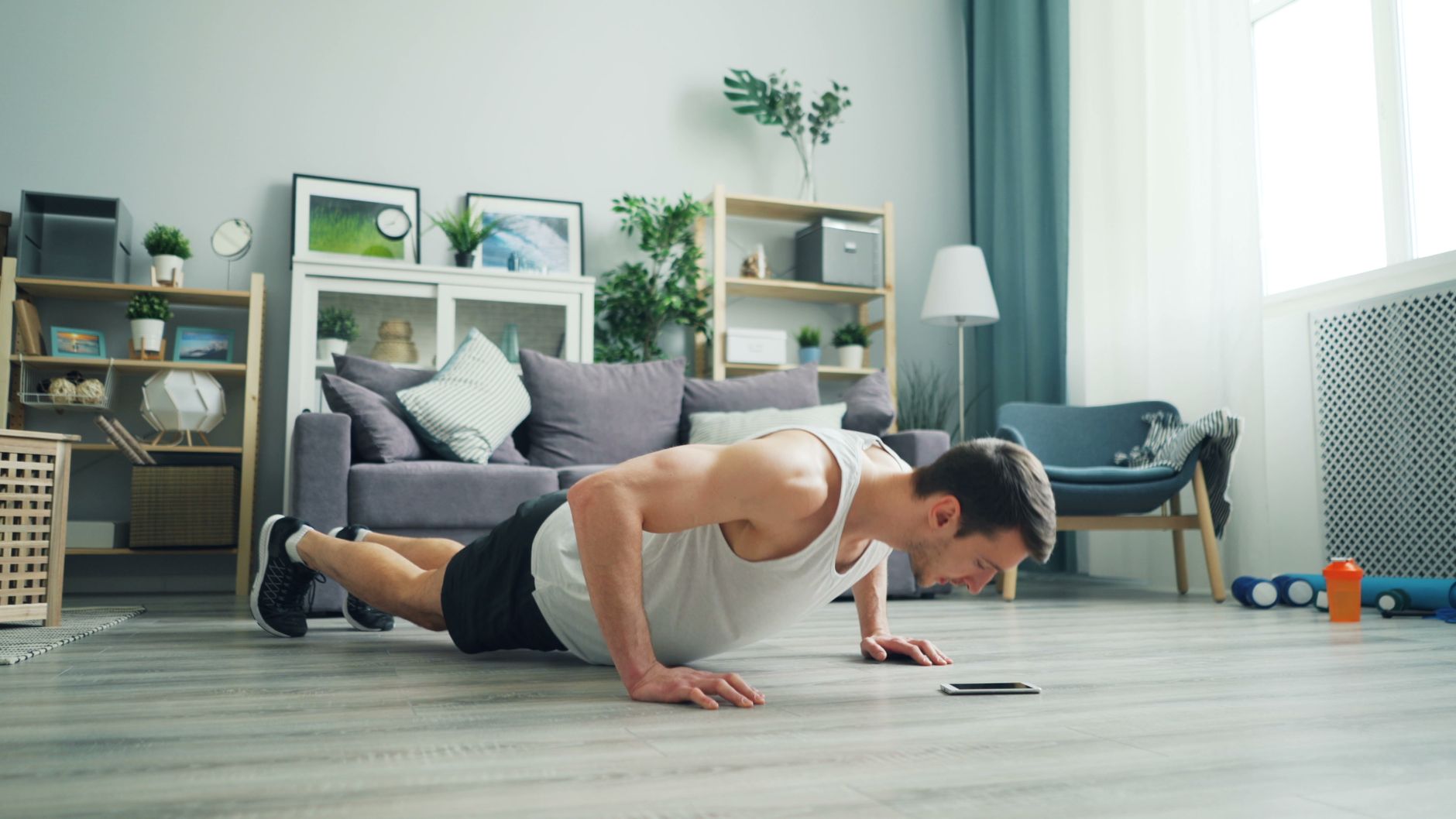
A new 30-day 'Cardio Ladder' fitness challenge is sweeping TikTok and Instagram, inspiring millions to join, share results, and debate its health impact amid expert commentary and viral success.
Millions worldwide are joining the viral 'Cardio Ladder' challenge, a 30-day fitness routine trending on TikTok and Instagram since early July 2026, promising rapid results and community support.
The 'Cardio Ladder' challenge, which involves incrementally increasing sets of high-intensity cardio exercises each day, has become a sensation, with over 200 million views under the hashtag #CardioLadder, according to TikTok analytics.
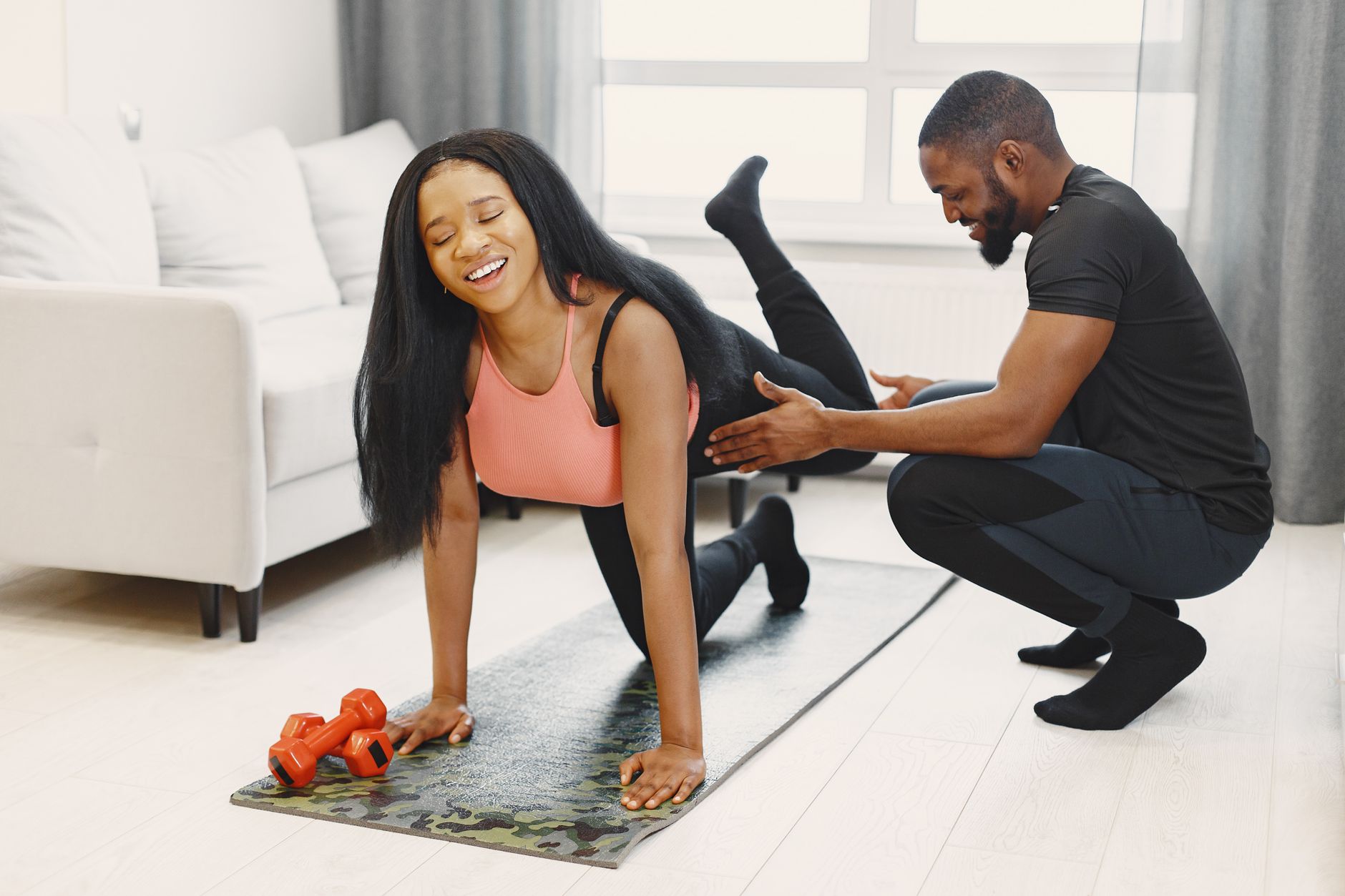
Participants begin with a single set of jumping jacks, mountain climbers, and burpees, adding one set daily for 30 days. This structure appeals to both beginners and seasoned fitness enthusiasts, as reported by Men’s Health.
Origins of the Cardio Ladder Challenge
The trend was launched by fitness influencer Maya Lin (@MayaFitOfficial) on July 1, 2026. Her original video, which has since garnered over 35 million views, demonstrated the routine and encouraged followers to post daily progress updates.
Lin told NBC News that she designed the challenge to be accessible and scalable, aiming to motivate those who struggle with consistency. 'Small daily wins build confidence,' she explained in a recent interview.
Social Media Engagement and Viral Spread
The challenge quickly spread beyond Lin’s followers. Celebrities such as actor Jordan Reyes and Olympic gold medalist Simone Lee have posted their own attempts, further boosting visibility, as noted by The Verge.

On Instagram, over 1.5 million users have shared before-and-after photos, daily logs, and motivational stories. The sense of global community has been a key driver of engagement, according to social media analytics firm Sprout Social.
Health Experts Weigh In
Medical professionals have weighed in on the trend. Dr. Priya Nair, a sports medicine specialist, told CNN Health that while the challenge can improve cardiovascular fitness, participants should be mindful of overuse injuries and listen to their bodies.
The American Council on Exercise (ACE) released a statement advising beginners to modify exercises and rest as needed, emphasizing that rapid progression may not suit everyone’s fitness level.
Data and Demographics
According to TikTok, the largest age group participating is 18-34, with 62% identifying as female. Global participation is highest in the US, UK, Brazil, and India.
A survey by Fitness App Pulse found that 47% of respondents joined the challenge for motivation, while 29% cited community support as their main reason.
Impact on Fitness Industry

Gyms and fitness apps have adapted by offering 'Cardio Ladder' classes and digital tracking tools. Peloton and Nike Training Club both launched routines inspired by the trend, as reported by TechCrunch.
Brands are leveraging the challenge for marketing, with athletic wear companies sponsoring influencers and offering limited-edition merchandise tied to the viral routine.
Challenges and Criticism
Despite its popularity, the challenge has faced criticism. Some experts warn that daily high-intensity workouts without adequate rest can lead to burnout or injury, especially for beginners.
Fitness coach Alex Torres told The Guardian that social media trends often lack personalization, urging users to consult professionals before starting any rigorous program.
What’s Next for Viral Fitness?
With the challenge’s 30-day cycle ending July 30, influencers are already teasing follow-up routines and hybrid challenges. Analysts expect similar trends to emerge, leveraging social accountability and digital community.
The 'Cardio Ladder' has demonstrated the power of social media to drive global health trends, uniting millions in pursuit of fitness goals and sparking ongoing debate about the benefits and risks of viral routines.
Sources: TikTok analytics, Men’s Health, NBC News, The Verge, CNN Health, American Council on Exercise, Fitness App Pulse, TechCrunch, The Guardian.
Sources: Information sourced from TikTok analytics, Men’s Health, NBC News, The Verge, CNN Health, and other reputable outlets.