The 'Core Crush Challenge' fitness routine has exploded on TikTok and Instagram, attracting millions worldwide. Experts weigh in on its effectiveness, safety, and the broader impact of viral fitness trends.
Millions of social media users worldwide are taking part in the 'Core Crush Challenge,' a 30-day fitness routine that has gone viral on TikTok and Instagram since early March 2026, promising dramatic core strength improvements and visible abs in just one month.
The challenge, which began with fitness influencer Maya Chen’s (@MayaMoves) post on March 2, 2026, has rapidly gained traction. Her original video, featuring a series of daily core exercises, has amassed over 80 million views and sparked a global movement.

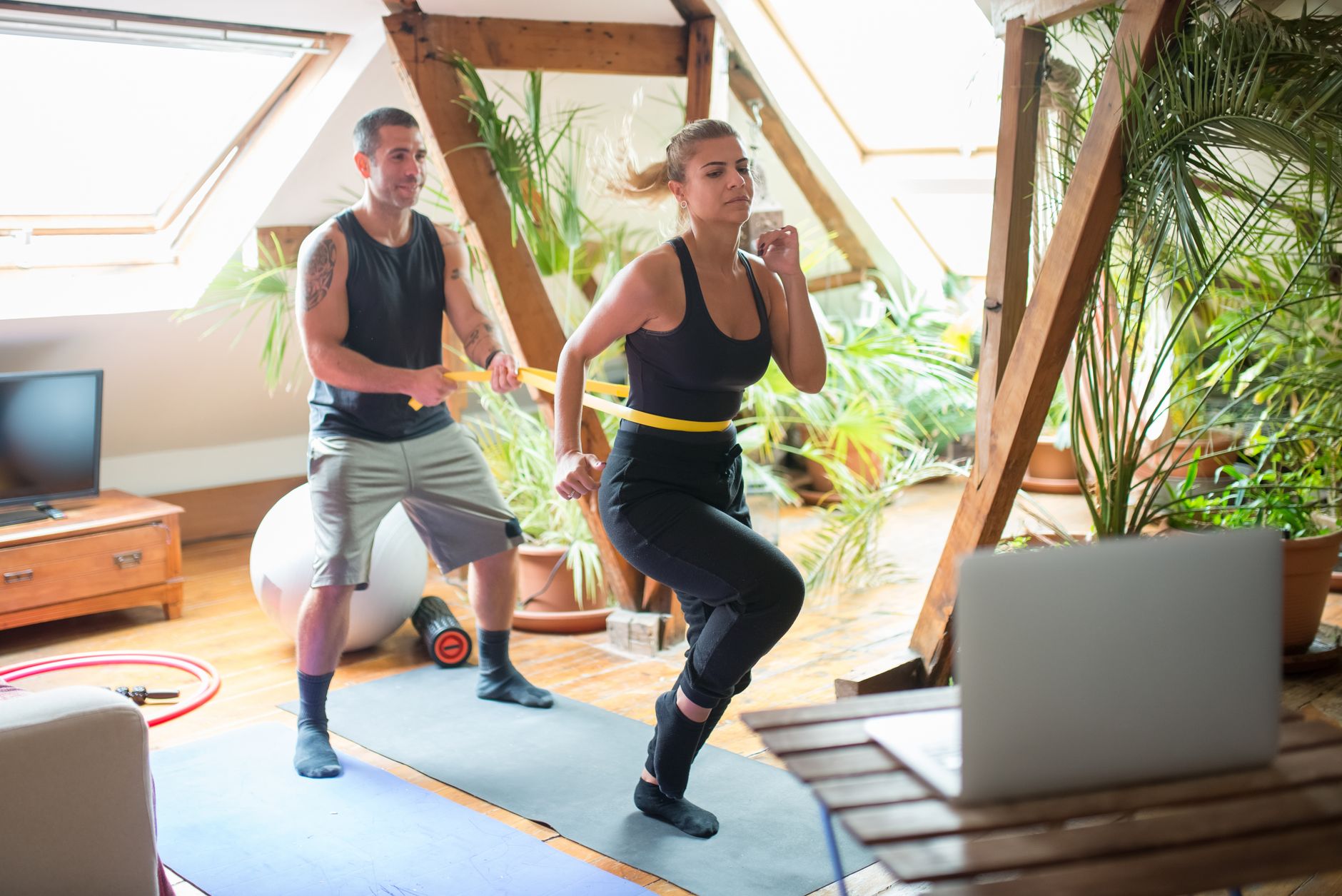
Participants commit to a daily regimen of planks, Russian twists, mountain climbers, and leg raises. The routine intensifies each week, with rest days strategically placed. The hashtag #CoreCrushChallenge has surpassed 350 million views on TikTok, according to platform analytics.
Origins and Rapid Spread
Maya Chen, a certified personal trainer based in Los Angeles, launched the challenge to motivate her followers after noticing a post-winter fitness slump. In an interview with The Guardian, Chen said, “I wanted something accessible, effective, and fun. I never expected it to go this big.”
Within days, other influencers, including UK-based @FitWithJules and Brazilian trainer @RafaelaRibeiro, joined in, adapting the routine for their audiences. The challenge’s simplicity and visible results fueled its global appeal, with posts in multiple languages and participation from over 70 countries.
Why This Routine Went Viral
Fitness experts attribute the challenge’s popularity to its short, manageable daily sessions—typically 15 minutes—and its promise of quick, visible results. “People want efficiency and community,” said Dr. Lauren Patel, exercise physiologist at NYU Langone Health, to CNN. “This challenge delivers both.”
The challenge’s visually engaging format—before-and-after transformations, time-lapse videos, and group participation—has driven high engagement. According to TikTok’s 2026 trend report, fitness content featuring progress tracking and group accountability is up 42% year-over-year.
Celebrity and Athlete Endorsements

High-profile endorsements have amplified the trend. Olympic gymnast Simone Biles posted her own #CoreCrushChallenge routine, garnering 12 million likes. Soccer star Kylian Mbappé and pop singer Dua Lipa also shared their progress, further boosting visibility.
Brands have taken notice. Athletic apparel companies like Nike and Gymshark have launched limited-edition gear and sponsored challenges, while fitness app developers report a 25% spike in downloads since the challenge began, as reported by TechCrunch.
Expert Opinions: Benefits and Risks
While many users report improved core strength and posture, some experts caution against overuse injuries. “Repetitive core exercises without proper form can strain the lower back,” warned Dr. Patel. She recommends beginners consult a professional before starting.
The American Council on Exercise (ACE) notes that the challenge’s progressive structure is generally safe for healthy adults. However, ACE advises modifying exercises for those with pre-existing conditions and stresses the importance of rest days.
Community and Mental Health Impact
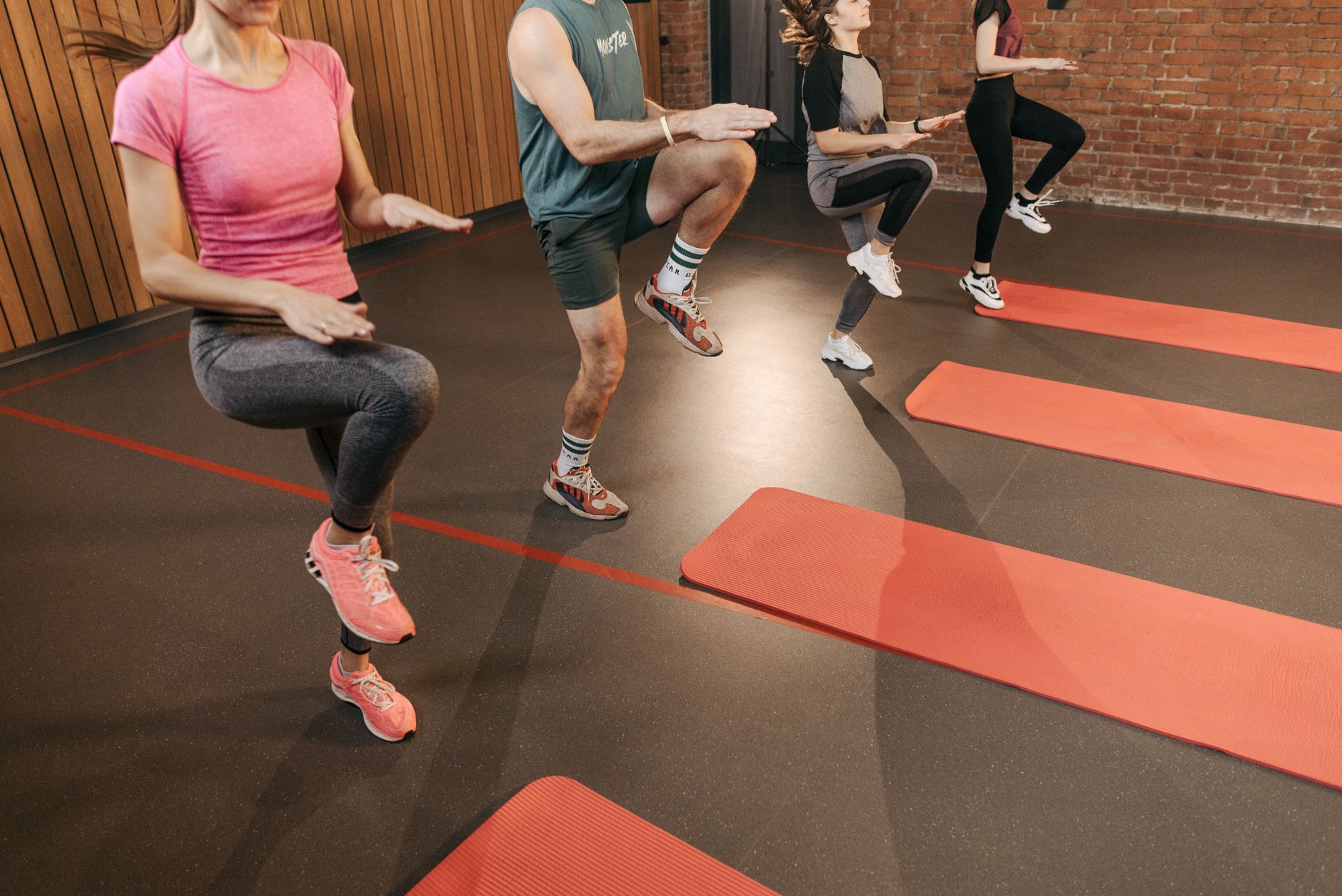
Participants highlight the challenge’s positive impact on motivation and mental health. “It’s more than just abs—it’s about feeling strong and connected,” said participant Sarah Kim to BBC News. Many report reduced stress and increased confidence.
Online support groups and daily check-ins foster accountability. According to a University of Michigan study published this month, group fitness challenges can increase adherence rates by up to 60% compared to solo efforts.
Criticism and Controversy
Despite its popularity, the #CoreCrushChallenge has faced criticism. Some health professionals warn against unrealistic expectations, pointing out that visible abs depend on multiple factors, including genetics and diet. The National Eating Disorders Association (NEDA) cautions that such trends may trigger body image issues for some users.
Maya Chen has addressed these concerns, urging followers to focus on strength, not appearance. In a follow-up post, she emphasized, “Fitness is about progress, not perfection.”
Looking Ahead: The Future of Viral Fitness
Industry analysts predict that viral, community-driven fitness routines will continue to shape exercise habits. “Social media has democratized fitness,” said TechCrunch’s fitness columnist Alex Rivera. “We’ll see more challenges that blend science, fun, and social connection.”
Fitness platforms are already integrating challenge features and progress tracking tools. Experts expect increased collaboration between health professionals and influencers to promote safe, inclusive routines.
As the #CoreCrushChallenge enters its fifth week, millions are still posting results and encouraging others to join. The phenomenon underscores the power—and responsibility—of social media to influence health behaviors worldwide.
Sources
Information for this article was gathered from The Guardian, CNN, BBC News, TechCrunch, the American Council on Exercise, and the University of Michigan.Sources: Information sourced from The Guardian, CNN, BBC News, TechCrunch, the American Council on Exercise, and University of Michigan reports.