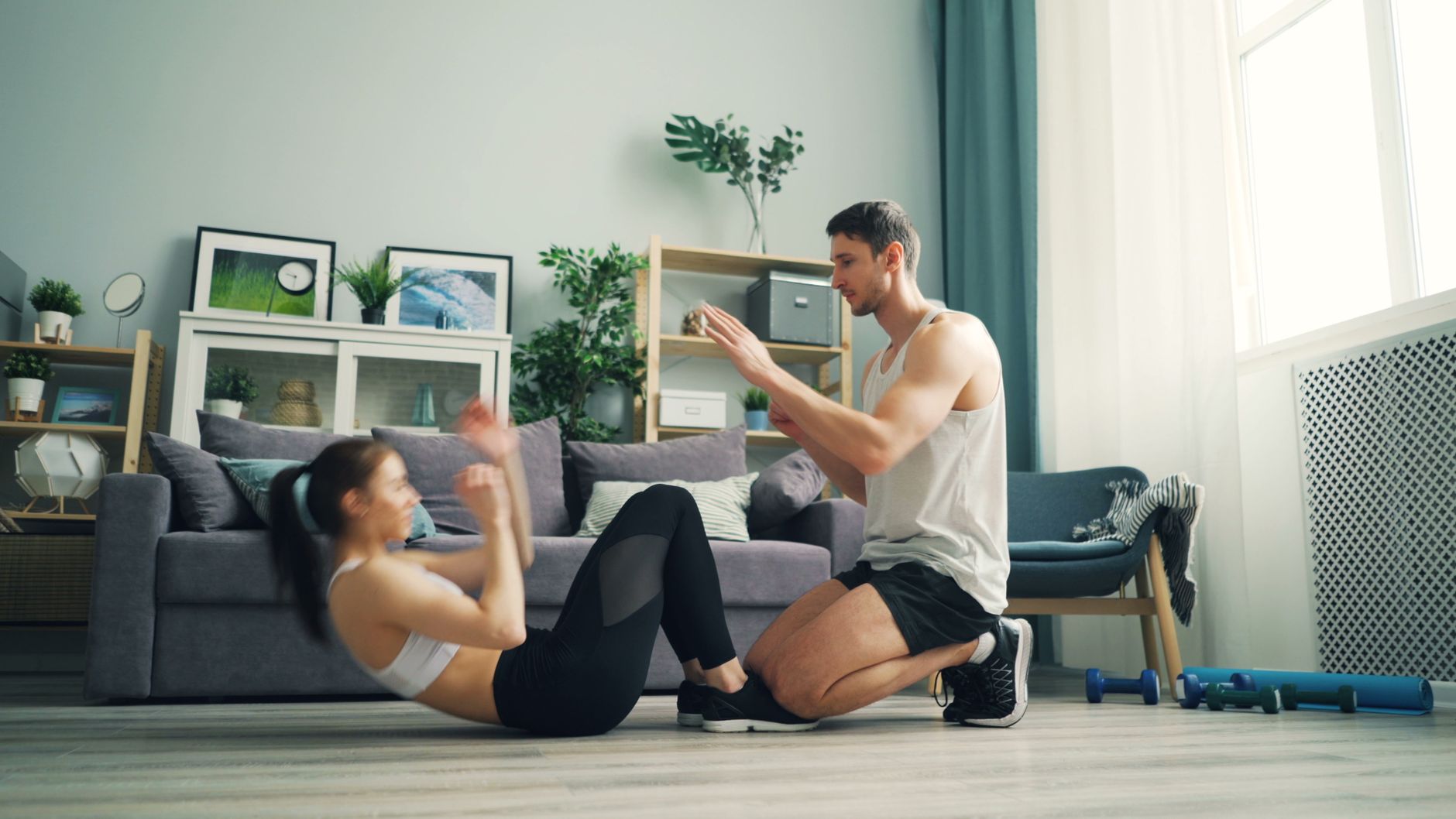
The 30-Day 'Core Crusher' Challenge has exploded on TikTok and Instagram, inspiring millions to join. Experts weigh in on its effectiveness, risks, and the impact of viral fitness trends.
Millions worldwide are joining the 30-Day 'Core Crusher' Challenge, a viral fitness routine sweeping TikTok and Instagram since early July 2026, promising rapid abdominal results with daily, high-intensity exercises.
The challenge, which began trending after fitness influencer Maya Chen posted her transformation video on July 1, has since amassed over 500 million combined views on social media, according to TikTok analytics. Participants commit to a daily regimen of planks, mountain climbers, and bicycle crunches, sharing progress videos under the hashtag #CoreCrusherChallenge.
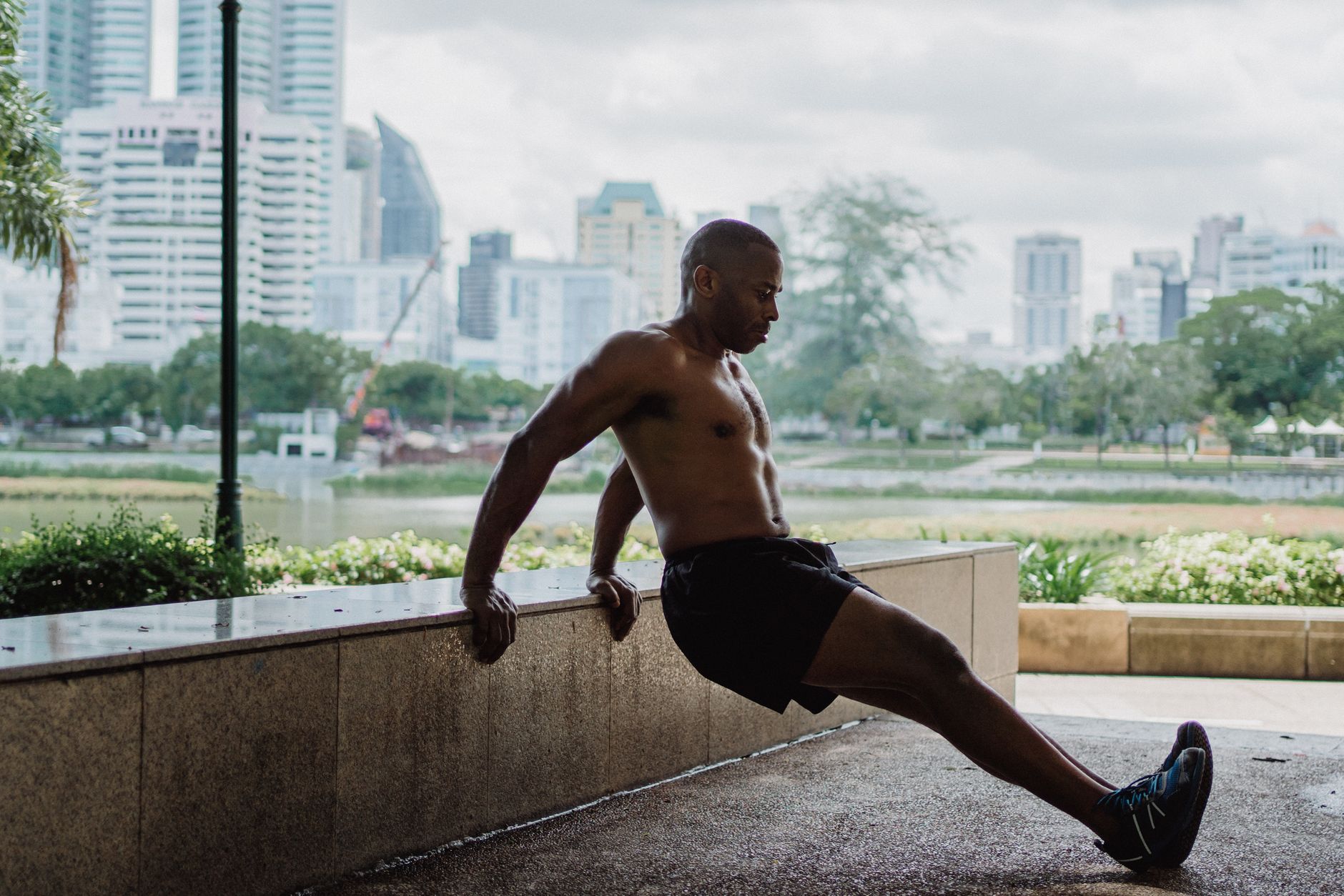
The viral routine's popularity has surged among Gen Z and Millennials, with fitness apps reporting a 30% uptick in downloads for core-focused workout plans (as reported by The Verge). The challenge's appeal lies in its simplicity—requiring no equipment and only 15 minutes a day—making it accessible for home workouts.
Origins of the 'Core Crusher' Challenge
Maya Chen, a Los Angeles-based trainer with 2.8 million TikTok followers, launched the challenge after recovering from a back injury. Her initial video, which detailed her 30-day journey to rebuild core strength, went viral within 48 hours, garnering 12 million views and thousands of comments.
Chen's approach emphasizes progressive overload—starting with 30-second planks and increasing intensity each week. She told Women's Health, "I wanted to create a program that anyone could do, regardless of fitness level. The key is consistency, not perfection."
How the Challenge Works
Participants follow a structured calendar: Week 1 focuses on static planks and basic crunches; Week 2 introduces dynamic movements like mountain climbers; Weeks 3 and 4 ramp up with advanced variations and higher reps. Daily check-ins and progress posts are encouraged to foster accountability.

Fitness app FitTrack reports that over 1.2 million users have downloaded its 'Core Crusher' tracker since July 3. The challenge's hashtag has trended in 18 countries, with notable spikes in the US, UK, India, and Brazil, according to Sprout Social data.
Expert Opinions: Benefits and Risks
Sports medicine experts caution that while core strengthening is beneficial, improper form or overtraining can lead to injury. Dr. Alicia Gomez, a physical therapist at NYU Langone, told Reuters, "We're seeing a spike in patients with wrist and lower back pain linked to these viral challenges. Moderation and correct technique are crucial."
On the positive side, the challenge has motivated many previously sedentary individuals to start moving. A survey by The Economic Times found that 62% of participants reported improved mood and energy after two weeks, while 40% noticed visible abdominal changes.
Social Media's Role in Fitness Trends
The rapid spread of the 'Core Crusher' Challenge highlights social media's power in shaping fitness culture. Platforms like TikTok and Instagram amplify trends through algorithm-driven feeds, with influencers and celebrities accelerating adoption. Fitness coach Jordan Lee told BBC News, "Social media makes fitness feel communal and accessible, but it also spreads misinformation if not guided by professionals."
Some critics argue that viral routines can foster unrealistic expectations. The American Council on Exercise warns that visible abs are influenced by genetics and diet, not just exercise. However, the sense of community and daily motivation are widely praised by mental health advocates.
Real-Life Transformations
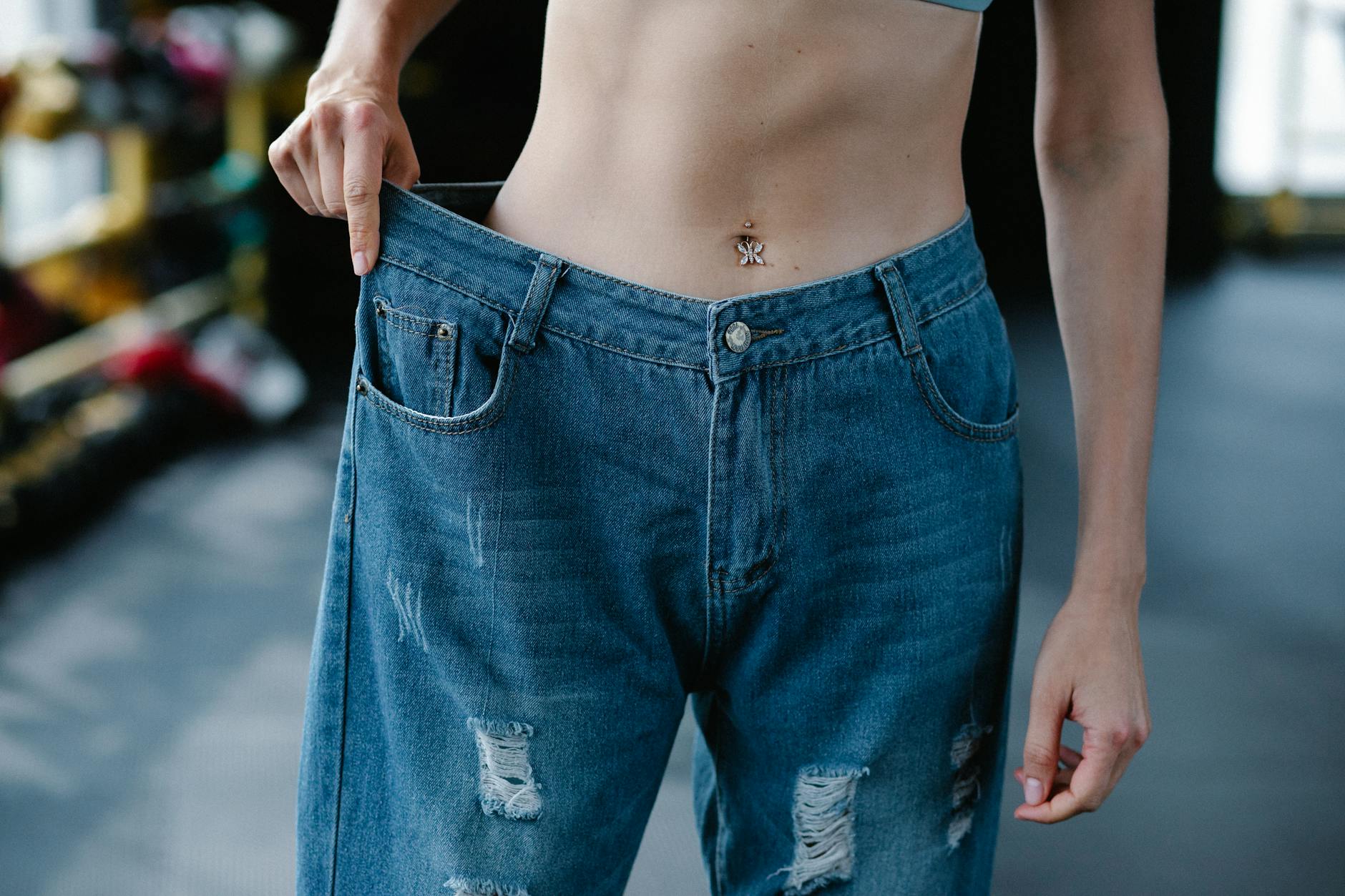
Users like Priya Singh, a 28-year-old from Mumbai, have documented dramatic results. "I never stuck to a routine before, but seeing others post daily kept me going," she told The Economic Times. Her before-and-after video, posted on July 16, has 1.5 million views.
Community groups on Facebook and Discord have sprung up to support participants, sharing tips, modifications, and encouragement. Fitness brands have also joined in, offering branded mats and water bottles as prizes for the most creative progress videos.
What's Next for Viral Fitness?
With the 'Core Crusher' Challenge entering its final week, experts predict a wave of new routines as influencers seek the next viral hit. Fitness app developers are integrating social features to capitalize on the trend. Meanwhile, health professionals urge users to prioritize safety and consult experts before starting intense regimens.
As the challenge wraps up, its legacy may be a renewed focus on community-driven fitness and the power of daily habits. Whether the next viral routine will match its impact remains to be seen, but for now, millions are planking, crunching, and sharing their way to stronger cores.
Sources: Reuters, The Economic Times, Women's Health, BBC News, Sprout Social, FitTrack, The Verge, American Council on Exercise.
Sources: Information sourced from Reuters, The Economic Times, Women's Health, BBC News, and industry reports.