
A 30-day 'Micro Workout' challenge is sweeping TikTok and Instagram, inspiring millions to embrace short, daily exercise routines. Experts weigh in on its effectiveness and the broader fitness trend.
Millions of social media users are taking part in a 30-day 'Micro Workout' challenge, which exploded in popularity on TikTok and Instagram in February 2026, encouraging people to commit to brief, daily exercise routines that fit into even the busiest schedules.
The challenge, which began with fitness influencer Maya Lin’s viral post on February 1, has amassed over 400 million views under the hashtag #MicroWorkoutChallenge, according to TikTok analytics. Participants share videos of themselves performing quick, high-intensity exercises—often under 10 minutes—demonstrating that effective fitness can be achieved without lengthy gym sessions.

This trend marks a significant shift in online fitness culture, moving away from hour-long routines toward accessible, bite-sized workouts. The challenge’s popularity is attributed to its inclusivity and adaptability, allowing people of all fitness levels to participate and share progress, as reported by The Guardian.
Origins of the Micro Workout Challenge
Maya Lin, a certified personal trainer with 2.3 million followers, posted a video demonstrating her daily 7-minute workout routine. She encouraged followers to join her for 30 days, promising noticeable improvements in strength and energy. Within 48 hours, the video garnered over 15 million views, sparking a global movement.
Other influencers quickly adopted the format, tailoring routines to various needs—such as desk workouts for office workers, low-impact options for seniors, and high-intensity bursts for athletes. According to Lin’s interviews with Men’s Health, the challenge’s simplicity and flexibility fueled its rapid spread.
How the Challenge Works
Participants commit to performing a daily micro workout—typically 5 to 10 minutes—focusing on bodyweight exercises like squats, push-ups, planks, and jumping jacks. Users are encouraged to post daily updates, fostering accountability and community support. The challenge is designed to be equipment-free, making it accessible to those without gym memberships.
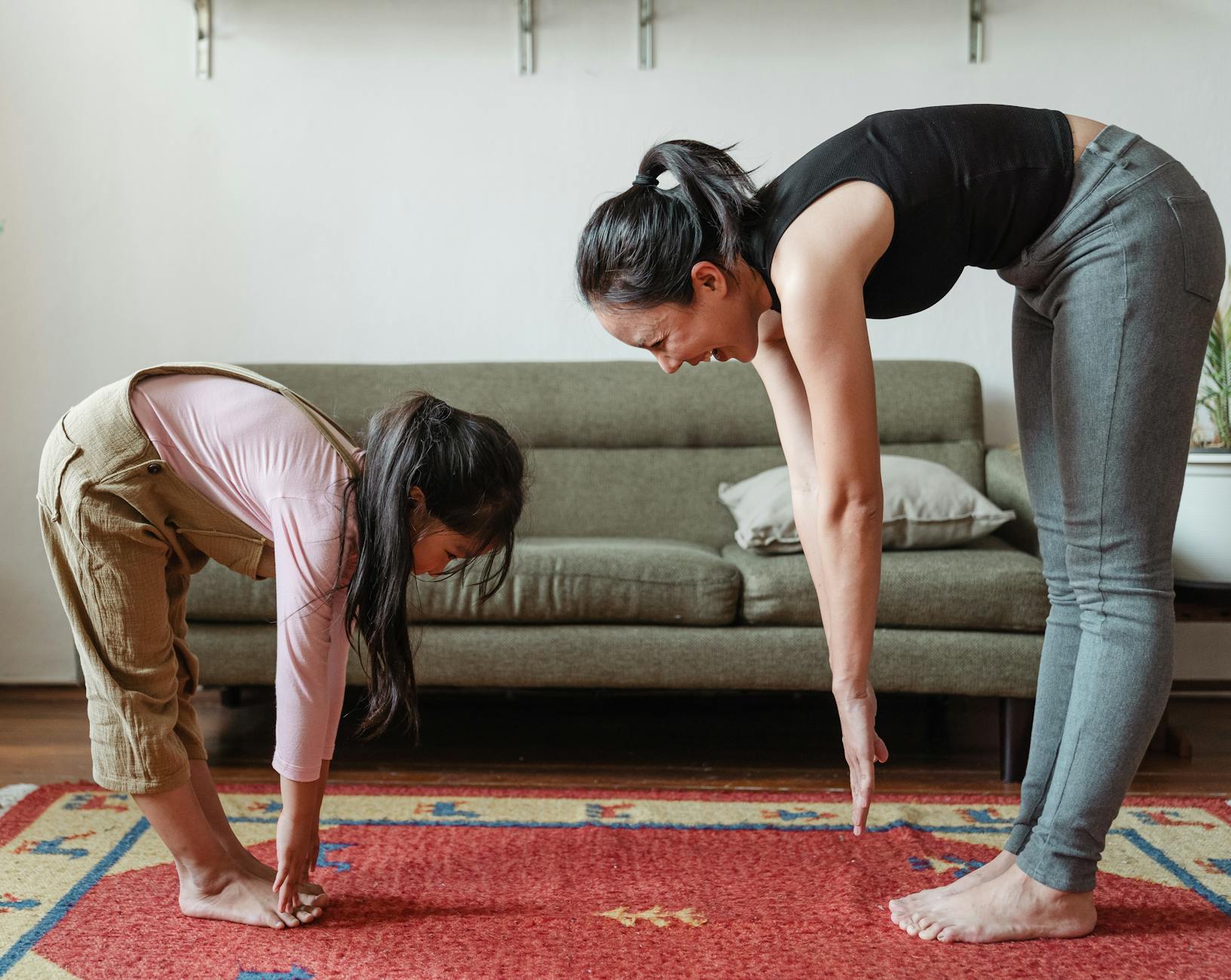
Some users have created themed variations, such as 'Micro Cardio Mondays' or 'Core Focus Fridays,' to keep routines engaging. According to Instagram Insights, over 1.2 million posts have used the #MicroWorkoutChallenge hashtag as of February 23, 2026.
Expert Opinions on Micro Workouts
Health experts have largely welcomed the trend, citing research from the American College of Sports Medicine that supports the benefits of short, high-intensity exercise. Dr. Priya Sethi, a sports medicine physician, told CNN Health that 'micro workouts can improve cardiovascular health, strength, and mental well-being, especially for those previously inactive.'
However, experts caution that while micro workouts are beneficial, they should complement—not replace—longer exercise sessions for those seeking advanced fitness goals. 'Consistency is key,' says Sethi. 'Even short bouts of activity, done daily, can add up to significant health improvements.'
Social Media’s Role in Fitness Trends
Social platforms have become powerful vehicles for disseminating fitness content. According to a January 2026 Pew Research Center report, 62% of adults aged 18-34 use social media as their primary source for health and wellness advice. Viral challenges like the #MicroWorkoutChallenge leverage this trend, making fitness more approachable.
The challenge’s viral nature is amplified by its visual appeal—short, energetic videos that are easy to replicate and share. Influencers often use trending music and creative editing to attract wider audiences, further boosting engagement.
Impact on Everyday Fitness Habits

Early data suggests a measurable impact on users’ activity levels. Fitness app Strava reported a 28% increase in daily logged activities associated with micro workouts since the challenge began. Many participants report improved mood, energy, and motivation to continue exercising beyond the 30 days.
Some schools and workplaces have adopted micro workout breaks, citing increased productivity and reduced stress among students and employees. According to a survey by The New York Times, 41% of respondents said they were more likely to stick with micro workouts than traditional routines.
Potential Downsides and Criticisms
Despite its popularity, the challenge has faced criticism. Some fitness professionals warn that poor technique, lack of progression, or overuse injuries could result if users are not careful. The American Council on Exercise recommends that beginners consult certified trainers or follow reputable sources to avoid harm.
Others argue that social media trends can foster unrealistic expectations or comparison anxiety. Mental health experts advise users to focus on personal progress rather than viral metrics, emphasizing that fitness is individual and not a competition.
What’s Next for Viral Fitness Challenges?
As the 30-day challenge nears its conclusion, many influencers are encouraging participants to set new goals or create custom micro workout plans. Maya Lin announced plans to launch a follow-up challenge in March, focusing on mobility and flexibility.
Experts predict that micro workouts will remain a staple in online fitness culture, especially as remote work and busy lifestyles persist. The challenge’s success demonstrates the power of social media to democratize fitness and inspire healthy habits worldwide.
Sources
- The Guardian
- Men’s Health
- CNN Health
- Pew Research Center
- Strava
- The New York Times
- American College of Sports Medicine
- American Council on Exercise
Sources: Information sourced from The Guardian, Men’s Health, CNN Health, Pew Research Center, and other reputable fitness and health organizations.