
A new 30-day plank challenge is sweeping social media, inspiring millions to improve core strength and wellness. Experts weigh in on its benefits, risks, and the viral trend’s impact.
Millions worldwide are taking part in the 30-Day Plank Challenge, a viral fitness routine that exploded on TikTok and Instagram in March 2026, aiming to boost core strength and overall health.
The challenge, which encourages participants to gradually increase their plank hold time each day for a month, has become a global sensation. Fitness influencers and everyday users alike are sharing daily progress videos, fueling a wave of enthusiasm for core workouts.
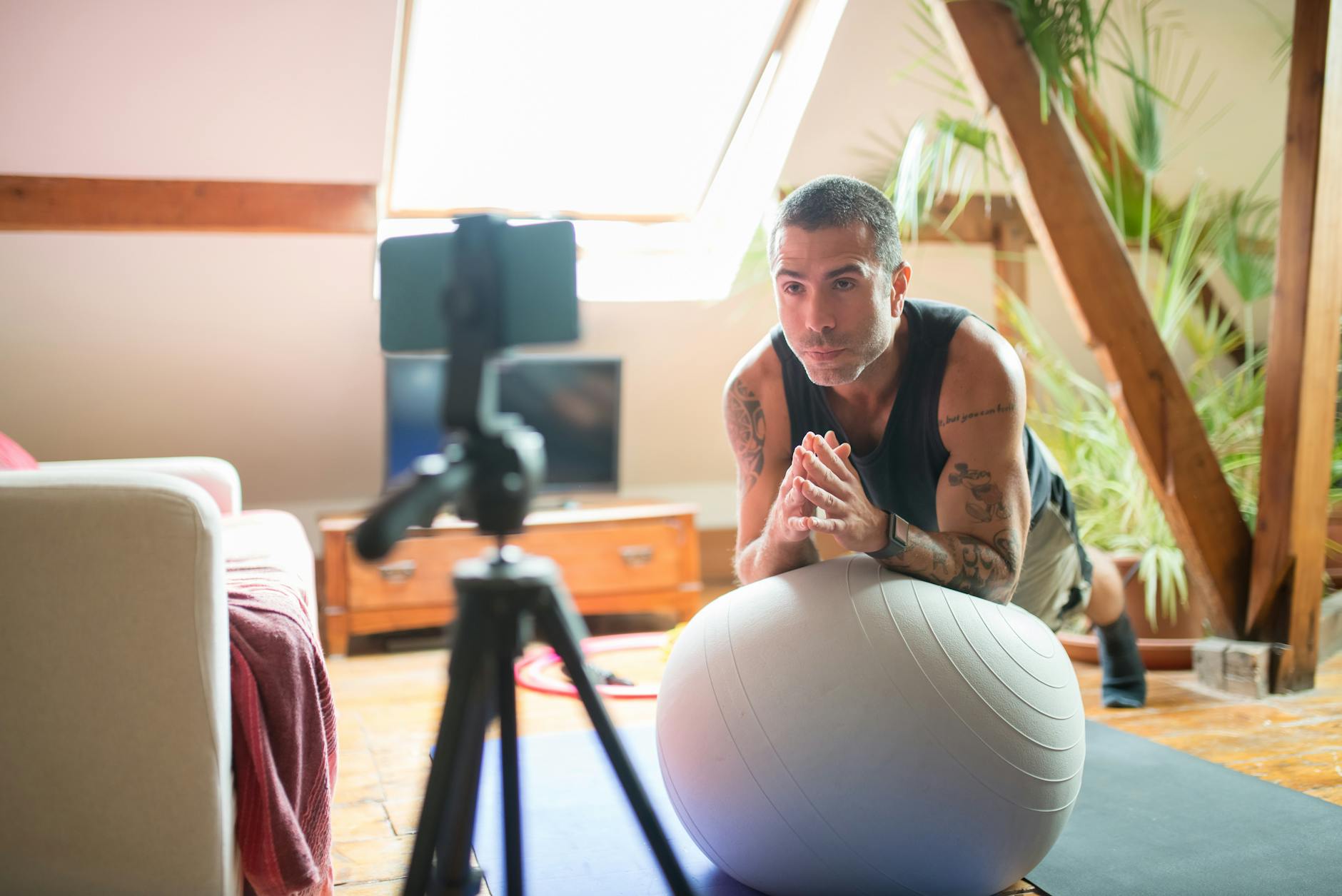
Origins of the Viral Plank Challenge
The 30-Day Plank Challenge first gained traction in early March when fitness influencer Mia Tran posted her personal journey on TikTok. Her video, which documented her transformation and daily struggles, quickly amassed over 50 million views, according to TikTok analytics.Tran’s approach was simple: start with a 20-second plank on day one and add 10 seconds each day, culminating in a six-minute plank by day 30. The accessibility of the challenge—requiring no equipment and little space—helped it spread rapidly, especially among home exercisers.
Celebrity Endorsements and Brand Involvement
High-profile athletes and celebrities, including soccer star Alex Morgan and pop icon Dua Lipa, joined the trend. Their participation, documented in Instagram Stories and Reels, brought further attention to the challenge, as reported by CNN Health.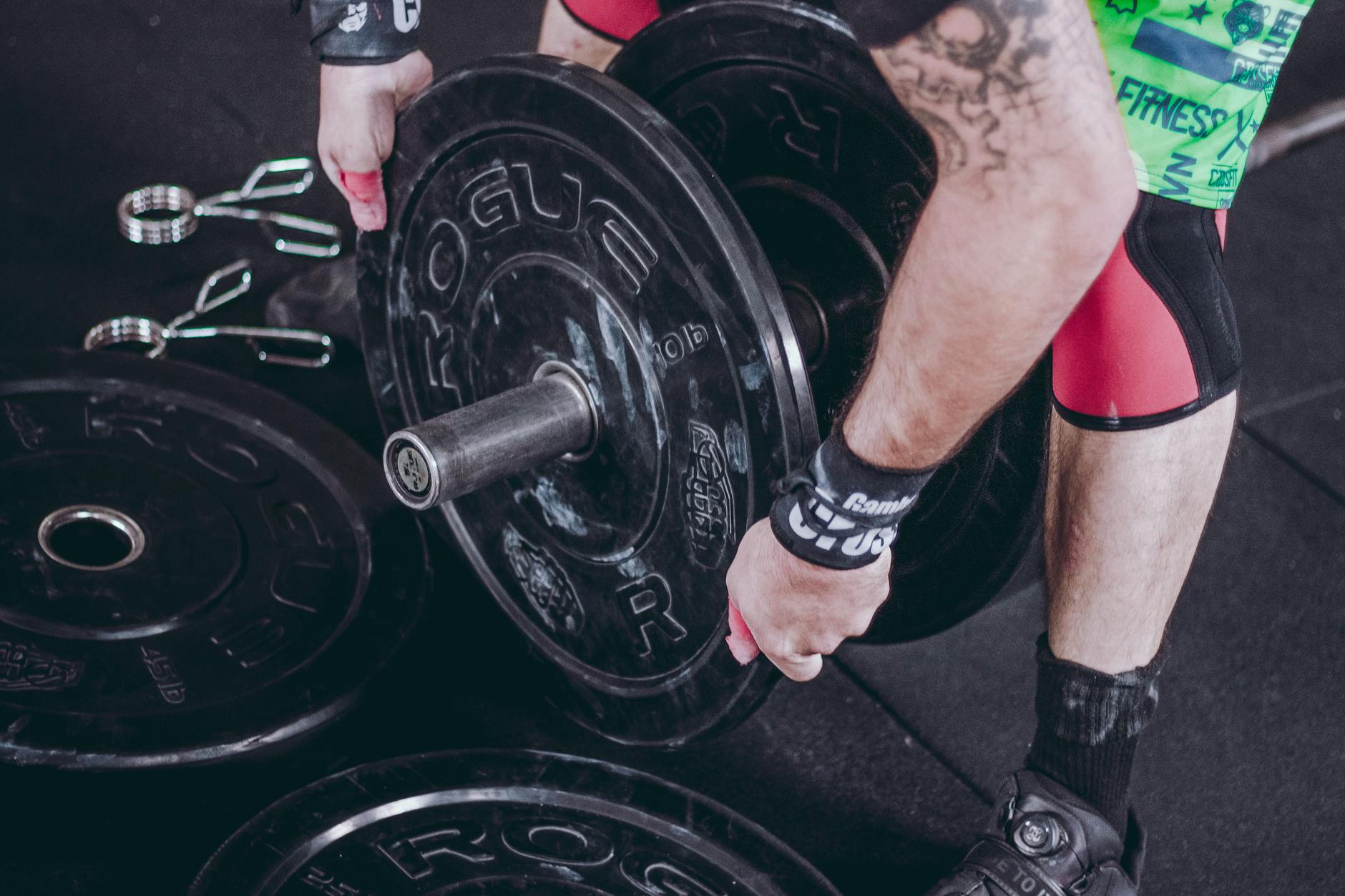
Major fitness brands such as Nike and Peloton have leveraged the trend, releasing branded plank challenge guides and offering virtual coaching sessions. According to The Verge, Nike’s official plank challenge hashtag has surpassed 200 million views on TikTok.
Expert Opinions: Benefits and Risks
Health professionals have weighed in on the trend. Dr. Anjali Patel, a sports medicine specialist at the Mayo Clinic, told Reuters, "Planking is excellent for core stability, posture, and injury prevention, but proper form is crucial to avoid strain."Data from the American Council on Exercise shows that planking activates over 20 muscles, including the rectus abdominis, obliques, and lower back. However, experts caution that overextending plank durations without rest can lead to lower back or shoulder injuries.
Social Media’s Role in Fitness Motivation
The viral challenge has highlighted the power of social media in shaping fitness habits. According to a 2026 Pew Research Center survey, 68% of adults aged 18-34 have tried a fitness routine they discovered online in the past year.Hashtags like #PlankChallenge2026 and #CoreStrong have trended globally, with over 1.2 billion combined views on TikTok and Instagram as of March 30, according to platform analytics. Community support and friendly competition are cited as key motivators in user comments.
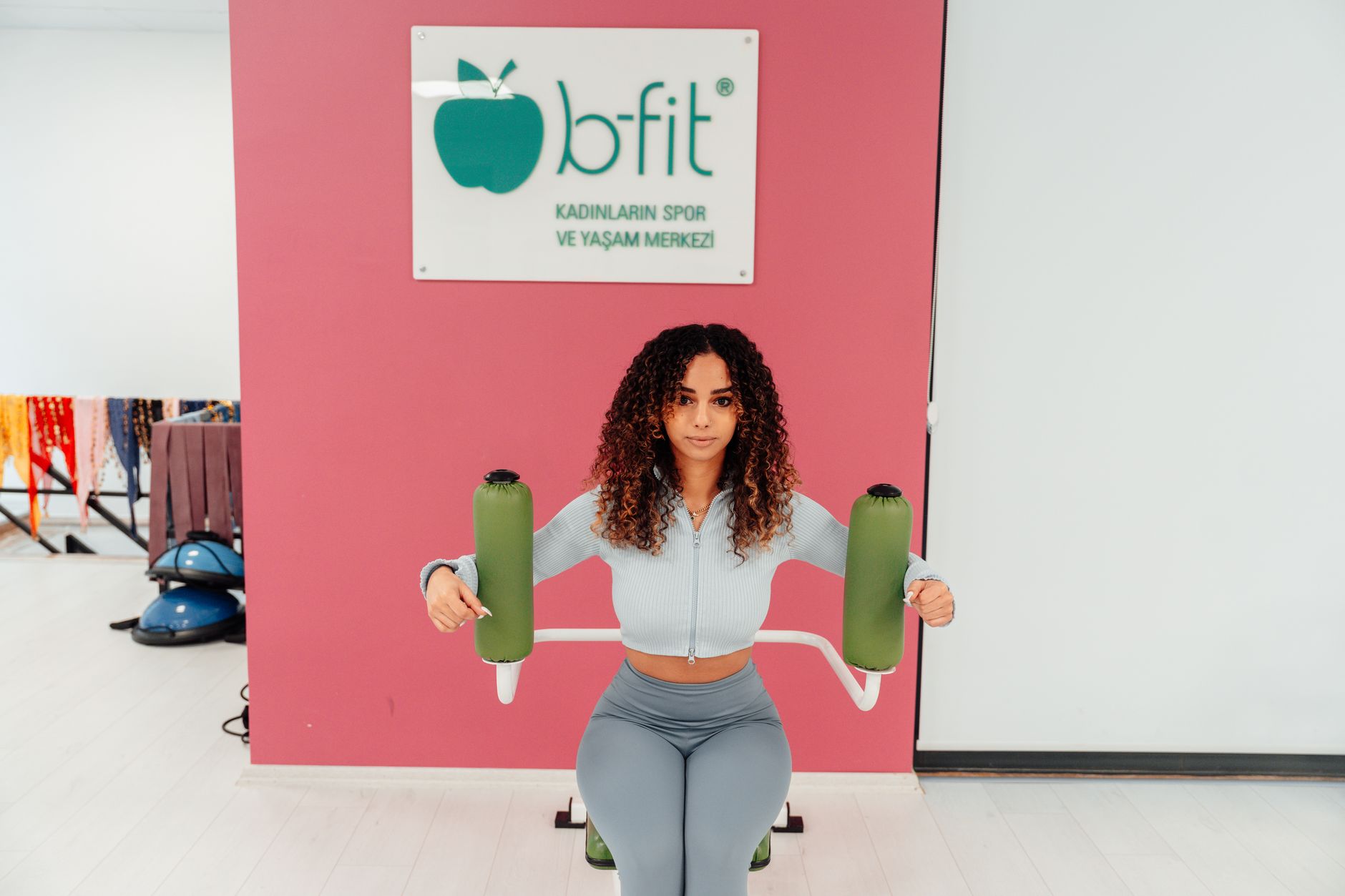
Personal Stories: Transformations and Challenges
Social media is flooded with before-and-after photos, time-lapse videos, and testimonials. Users report improvements in posture, reduced back pain, and increased confidence. However, some share struggles with consistency and the physical demands of the challenge.Fitness blogger Sarah Kim wrote on her blog, "The first week was tough, but the encouragement from the online community kept me going." Others, like user @JakeGetsFit, have posted about modifying the challenge to accommodate injuries or fitness levels, promoting inclusivity.
Potential Downsides and Criticisms
Not all feedback is positive. Physical therapists warn that viral challenges can encourage poor form or overexertion. The American Physical Therapy Association issued guidelines for safe plank practice, emphasizing rest days and gradual progression.Some critics argue that the trend may promote unrealistic expectations or body image issues, especially among younger users. Mental health experts recommend focusing on personal progress rather than comparison, as reported by The Guardian.
The Broader Impact on Fitness Culture
The 30-Day Plank Challenge exemplifies how digital platforms are democratizing fitness. According to The Economic Times, at-home workouts have surged since the pandemic, and social media trends continue to drive new routines and habits.
Fitness app downloads increased by 17% in March 2026 compared to the previous month, data from App Annie shows. Many apps now feature plank challenge trackers, integrating social sharing features to tap into the viral momentum.
What’s Next for Viral Fitness Trends?
Experts predict that social media-driven fitness challenges will remain popular, with more emphasis on inclusivity and expert guidance. Brands are expected to collaborate with health professionals to ensure safety and effectiveness.The plank challenge’s success has already inspired spin-offs, such as the 30-Day Squat and Push-Up Challenges, gaining traction on TikTok and YouTube. Fitness professionals encourage users to diversify routines to prevent overuse injuries and maintain motivation.
Sources
This article references TikTok analytics, CNN Health, Reuters interviews, American Council on Exercise data, Pew Research Center surveys, The Verge, App Annie, The Guardian, and The Economic Times.Sources: Information sourced from TikTok Analytics, Reuters, CNN Health, American Council on Exercise, Pew Research Center, and The Economic Times.