The '7-Minute Miracle' workout has exploded on TikTok, drawing millions with its promise of rapid results. Experts weigh in on its effectiveness, risks, and the phenomenon’s social media impact.
Millions of social media users worldwide are flocking to the ‘7-Minute Miracle’ workout, a high-intensity fitness routine that has exploded on TikTok and Instagram since June 2026, promising rapid results with minimal time investment.
The ‘7-Minute Miracle’ trend began when fitness influencer Maya Chen posted a video demonstrating a compact, equipment-free workout routine. Within days, her video amassed over 25 million views, according to TikTok’s trending data.
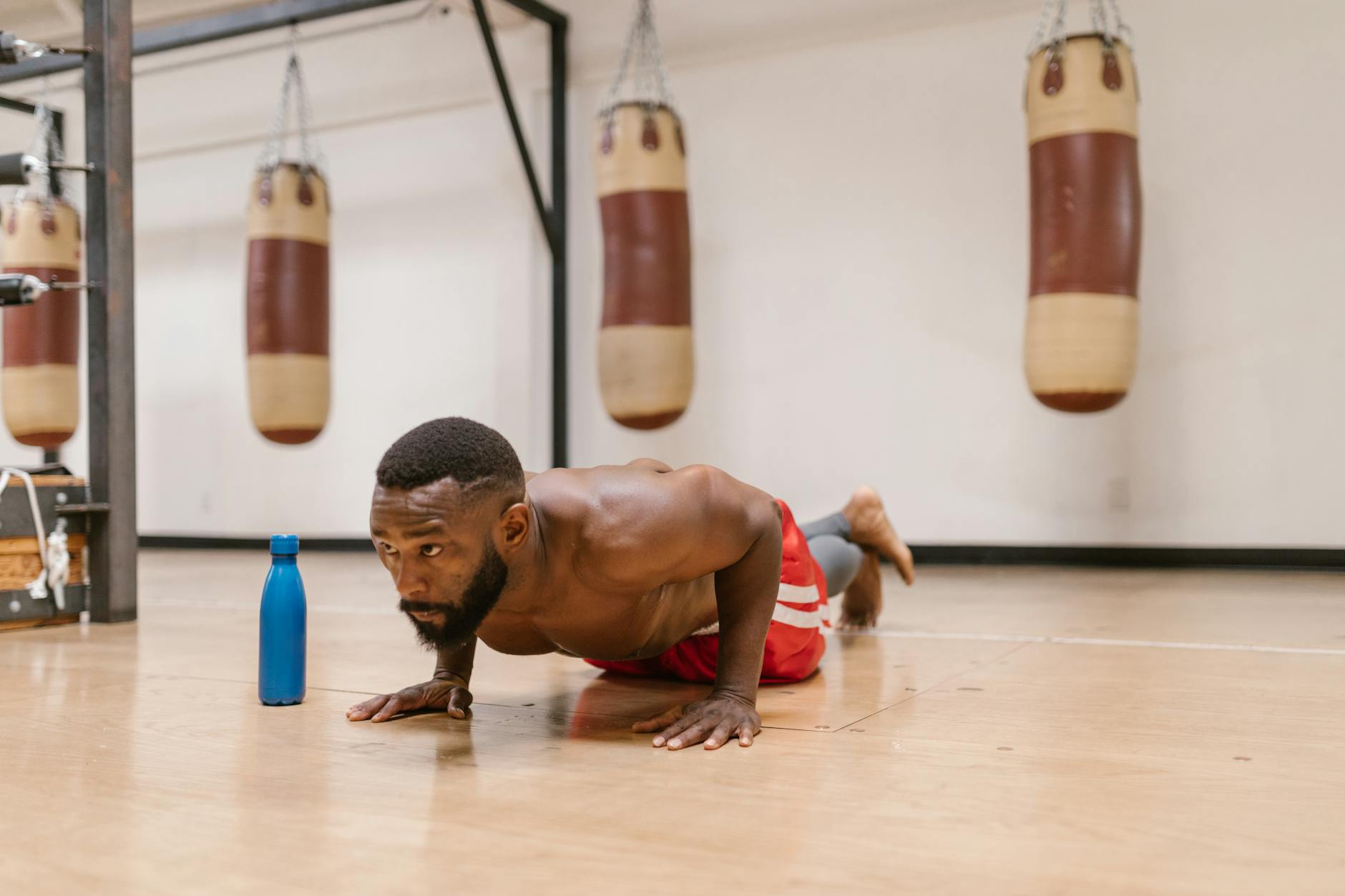
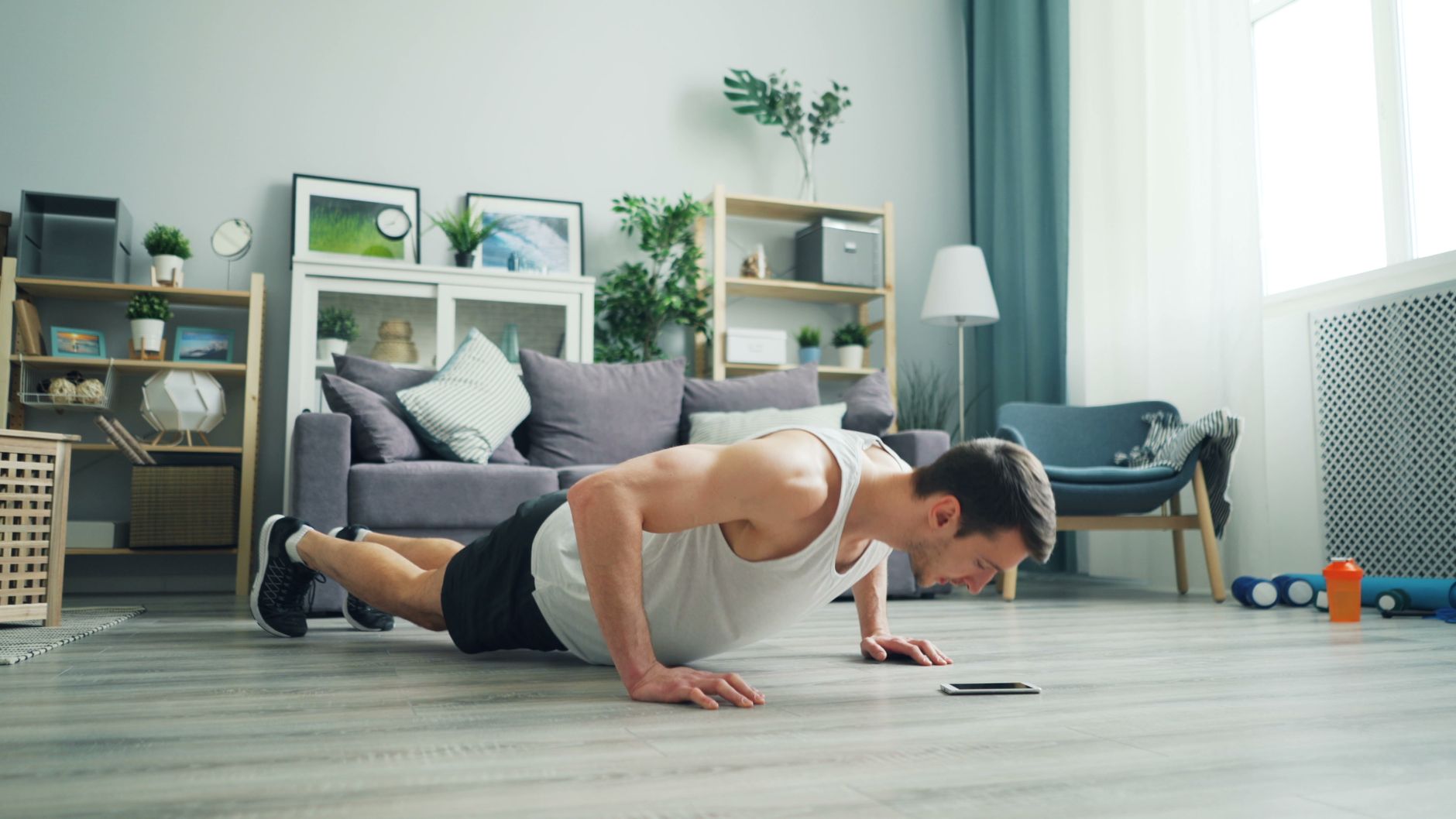
The routine features seven exercises, each performed for 45 seconds with 15-second breaks. Exercises include jumping jacks, push-ups, squats, mountain climbers, plank holds, burpees, and high knees. The appeal lies in its brevity and accessibility.
Origins and Viral Spread
Maya Chen, a Los Angeles-based trainer with 2.3 million followers, told The Verge she developed the routine for busy clients. After uploading her video on June 22, the hashtag #7MinuteMiracle trended globally, reaching 1.2 billion views by July 10.

Fitness communities on Instagram and YouTube quickly adopted the routine, with thousands of users sharing their progress and modifications. According to Social Blade analytics, Chen’s follower count grew by 400,000 in just two weeks.
Expert Opinions on Effectiveness
Exercise physiologists are divided on the efficacy of ultra-short routines. Dr. Alicia Romero, a sports medicine specialist at NYU Langone, told CNN, “High-intensity interval training (HIIT) can be effective, but results depend on consistency and individual fitness levels.”
A 2025 study in The Journal of Sports Science & Medicine found that short HIIT routines improved cardiovascular health in 68% of participants. However, experts caution that seven minutes alone may not suffice for significant weight loss or muscle gain.
Risks and Accessibility
Physical therapists warn that viral routines can lead to injury if performed incorrectly. “We’re seeing more sprains and strains from people jumping into trending workouts without proper form,” said Dr. Rajiv Patel, as reported by The New York Times.
Despite risks, the ‘7-Minute Miracle’ is praised for its inclusivity. No equipment is needed, making it accessible for people at home, in dorms, or traveling. Many users report increased motivation due to the routine’s manageable duration.
Social Media’s Role in Fitness Trends
The viral spread of the ‘7-Minute Miracle’ highlights social media’s power to shape fitness culture. According to Pew Research Center, 61% of U.S. adults under 35 have tried a workout they discovered online in the past year.

Fitness apps and wearables have integrated the routine, with Apple Fitness+ and Peloton adding ‘7-Minute Miracle’ sessions to their July updates. This cross-platform adoption accelerates the trend’s reach and legitimacy.
User Experiences and Community Impact
Thousands of TikTok users post daily progress videos, creating a sense of community and accountability. Maya Chen’s original post now features over 180,000 response videos, with users sharing before-and-after photos and testimonials.
Some users, like college student Priya Nair, report improved mood and energy. “I never stuck with workouts before, but seven minutes feels doable,” she told BuzzFeed News. Others note that the routine serves as a gateway to longer fitness sessions.
What’s Next for Viral Fitness?
Industry analysts predict more micro-workouts will trend as users seek efficient routines. Maya Chen is developing an advanced version of the ‘7-Minute Miracle’ and plans to launch a companion app in August 2026, according to TechCrunch.
Experts urge users to prioritize safety, consult professionals, and view viral routines as starting points rather than comprehensive programs. The ‘7-Minute Miracle’ exemplifies how digital platforms are reshaping personal health habits worldwide.
Sources: Data and statements sourced from TikTok analytics, The Verge, CNN, The Journal of Sports Science & Medicine, The New York Times, Pew Research Center, BuzzFeed News, and TechCrunch.
Sources: Information sourced from TikTok analytics, The Verge, CNN, The New York Times, Pew Research Center, and TechCrunch reports.