
AI-powered mental health apps are transforming wellness in 2026, with Gen Z leading adoption. Experts weigh benefits, risks, and the future of digital therapy amid rising global demand.
AI-driven mental health apps are seeing explosive growth in 2026, as Gen Z users turn to digital therapy for accessible support, according to new data from the World Health Organization and industry analysts.
The rapid adoption of artificial intelligence in wellness platforms marks a significant shift in how people manage mental health. This trend is especially pronounced among younger populations, who prefer on-demand, tech-driven solutions.

Background: A Growing Mental Health Crisis
Global mental health issues have intensified over the past decade. The WHO reports that rates of anxiety and depression reached record highs in 2025, with over 1.2 billion people affected worldwide.Traditional therapy resources have struggled to keep pace with demand. According to the American Psychological Association, wait times for in-person counseling in major cities now average 10 weeks, fueling the search for alternatives.

AI Apps Enter the Mainstream
In 2026, AI-powered wellness apps such as MindMate, SereneAI, and CalmBot have surged in popularity. Downloads of mental health apps increased by 42% globally in the first half of the year, Sensor Tower data shows.These platforms offer 24/7 chatbots, guided meditation, mood tracking, and cognitive behavioral therapy (CBT) modules. Many use advanced natural language processing to deliver personalized advice and crisis intervention.
Gen Z Leads the Digital Therapy Movement
Industry surveys reveal that 68% of Gen Z respondents have used a mental health app in the past year, compared to 41% of Millennials and just 18% of Baby Boomers, according to Pew Research Center.Experts attribute this trend to Gen Z’s digital fluency and reduced stigma around mental health. "Young people are more likely to seek help online, where privacy and convenience are guaranteed," says Dr. Aisha Patel, a clinical psychologist at Stanford University.
Key Features and Innovations
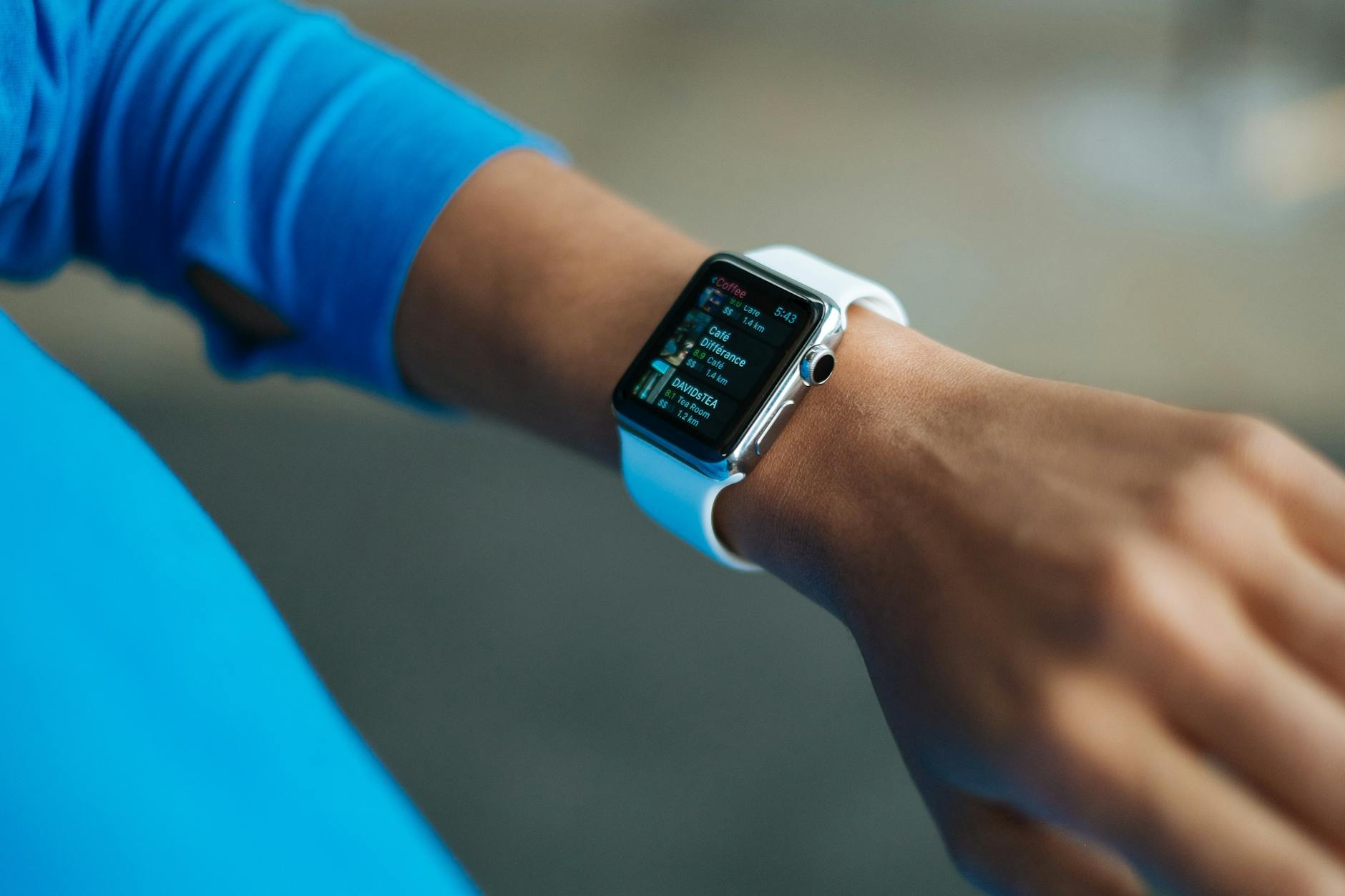
The latest generation of AI wellness apps integrates biometric data from smartwatches, enabling real-time stress monitoring. Some, like SereneAI, use voice analysis to detect emotional distress and recommend coping strategies.New partnerships between app developers and healthcare providers are emerging. In June 2026, the UK’s National Health Service announced a pilot program prescribing digital therapy apps to patients with mild to moderate anxiety.
Benefits and Early Outcomes
Preliminary studies published in The Lancet Digital Health indicate that users of AI therapy apps report a 30% reduction in self-reported anxiety symptoms after eight weeks of use.Accessibility is a key advantage. "AI apps bridge the gap for those who can’t afford or access traditional therapy," notes Dr. Michelle Wong, a mental health researcher at the University of Toronto.

Risks and Concerns
Despite their promise, experts warn of risks. Privacy advocates highlight concerns about sensitive data storage. The Electronic Frontier Foundation urges stricter regulations to protect user confidentiality.Clinical psychologists caution that AI cannot fully replace human therapists, especially for complex cases. "Apps are a supplement, not a substitute for professional care," says Dr. Patel.
Regulatory Response and Industry Standards
Governments are responding to the boom in digital wellness. The European Union introduced new guidelines in May 2026, requiring transparency in AI algorithms and mandatory data encryption for all mental health apps.App developers are also forming industry alliances to establish best practices. The Digital Wellness Consortium, launched this year, aims to certify apps that meet clinical efficacy and privacy standards.

Impact on Traditional Therapy
The rise of digital tools is reshaping the mental health landscape. Many therapists now integrate AI apps into treatment plans, using them to supplement in-person sessions and track patient progress.Some clinics have adopted hybrid models, combining virtual and physical care. According to the American Counseling Association, 37% of therapists in the US now recommend at least one mental health app to clients.
What’s Next for Digital Wellness?
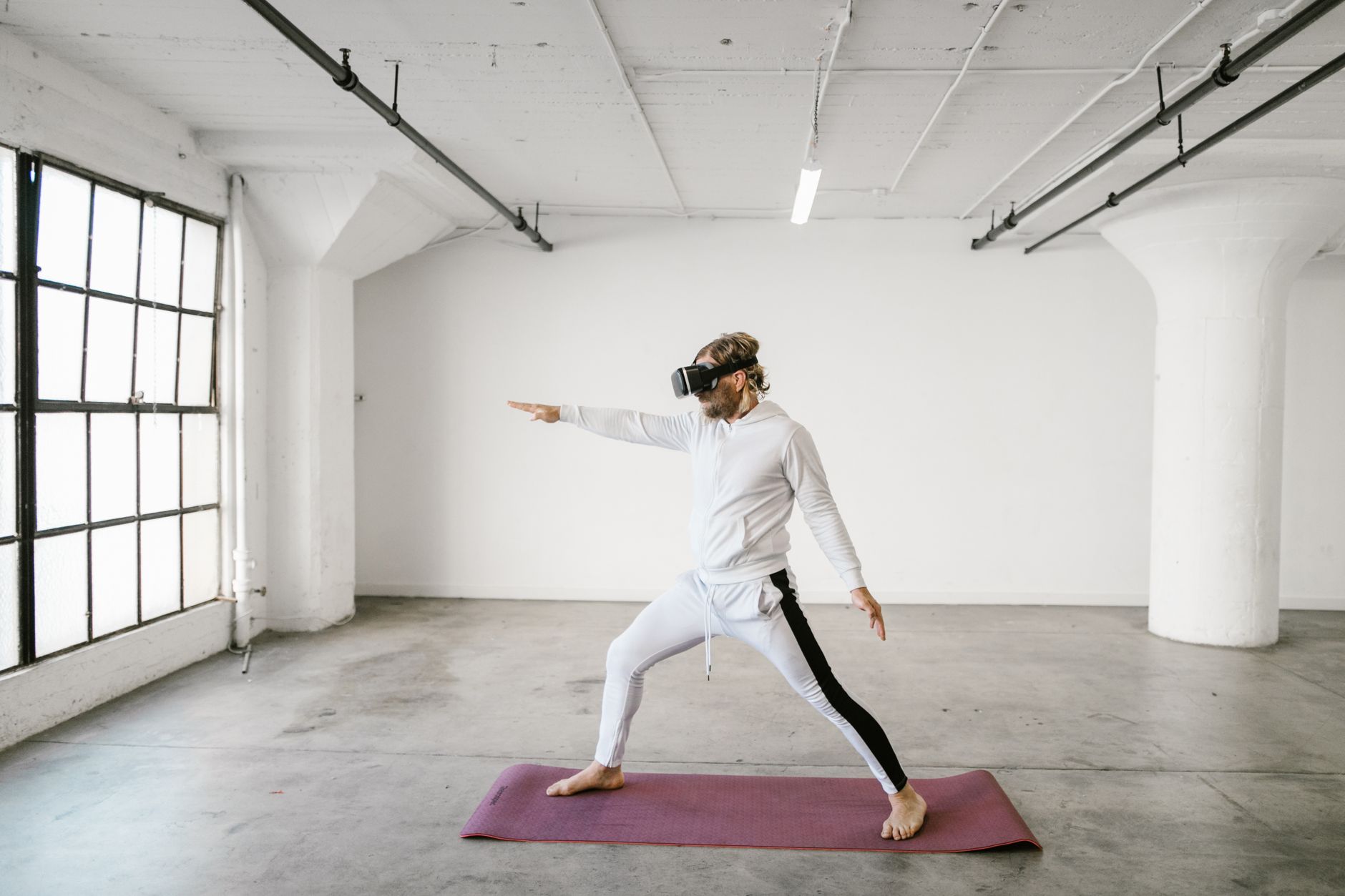
Industry analysts predict continued growth, with the global digital mental health market projected to reach $15.7 billion by 2028, per Grand View Research. Innovations in AI, VR therapy, and wearable integration are expected to drive adoption.As the mental health crisis persists, experts emphasize the importance of balancing technology with human care. Ongoing research and regulation will shape the future of AI-powered therapy, ensuring safety and accessibility for all.
Sources: Data and statements cited from the World Health Organization, American Psychological Association, Pew Research Center, The Lancet Digital Health, Electronic Frontier Foundation, Grand View Research, and interviews with clinical experts.
Sources: Information sourced from the World Health Organization, Pew Research Center, The Lancet Digital Health, and expert interviews.