A new wave of AI-powered therapy apps is transforming mental health care, offering accessible, affordable support as demand for wellness solutions surges in 2026. Experts weigh benefits and concerns.
AI-powered mental health therapy apps are experiencing record downloads in March 2026, as millions seek accessible support amid a global mental health crisis, according to data from App Annie and WHO reports.
The surge follows a year marked by heightened anxiety, economic uncertainty, and ongoing societal disruptions. With traditional therapy resources stretched thin, digital wellness solutions have become a lifeline for many.

Background: Mental Health Needs Reach New Highs
According to the World Health Organization, global rates of depression and anxiety have increased by 25% since 2020. In the United States alone, the CDC reports that one in four adults experienced symptoms of anxiety or depressive disorder in early 2026.Traditional therapy providers are struggling to meet demand. The American Psychological Association notes average wait times for in-person appointments have doubled since 2024, prompting many to seek alternatives.
Rise of AI Therapy Apps
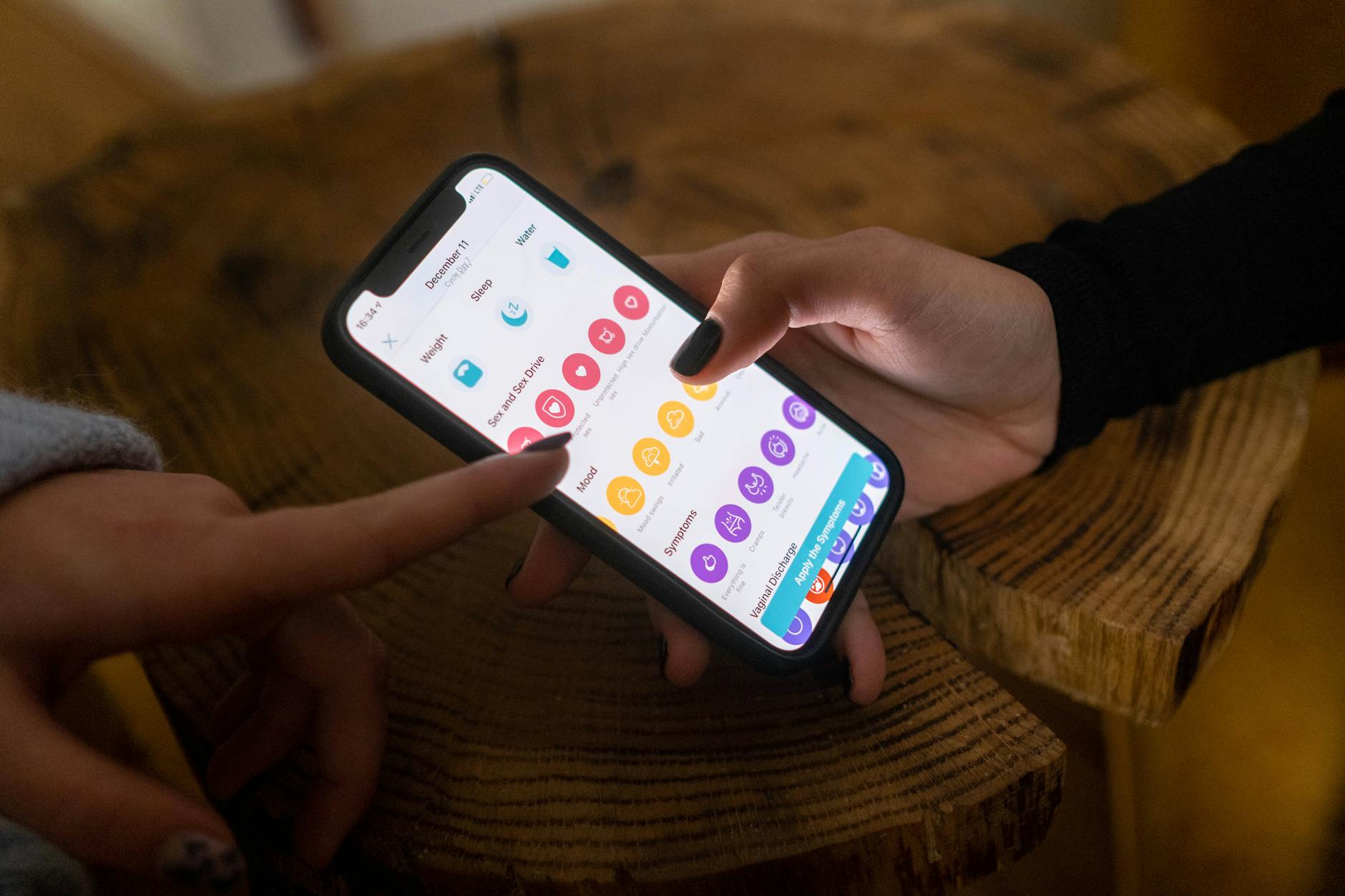
In response, AI-powered mental health apps such as MindEase, CalmBot, and SerenityAI have seen unprecedented growth. App Annie data shows downloads of the top five therapy apps rose by 68% in the first quarter of 2026 compared to the same period last year.These apps use advanced natural language processing to simulate therapeutic conversations, offer mood tracking, and provide cognitive behavioral therapy (CBT) exercises. Many are available 24/7, removing barriers of cost and access.
How AI Therapy Works
Users interact with chatbots that analyze language for emotional cues, offering personalized coping strategies. Some platforms integrate with wearable devices to monitor stress levels and suggest mindfulness exercises in real time.SerenityAI, for example, offers guided meditations, journaling prompts, and daily check-ins. According to its developers, the app has logged over 20 million sessions in March 2026 alone.
Expert Insights and Concerns
Mental health professionals acknowledge the benefits of increased accessibility but caution against overreliance. Dr. Emily Carter, a clinical psychologist at NYU, told Reuters, "AI tools can supplement care, but they are not a replacement for human therapists—especially for severe cases."Privacy remains a top concern. The Electronic Frontier Foundation warns that sensitive user data collected by apps could be vulnerable to breaches or misuse if not properly protected.

User Experiences
For many, the benefits are tangible. A recent survey by The Economic Times found that 74% of users reported improved mood and coping skills after using AI therapy apps for one month. However, 29% expressed concerns about data privacy and the lack of human empathy.Case studies highlight both sides. Sarah Kim, a college student, credits MindEase with helping her manage exam stress. Meanwhile, others say the apps sometimes fail to recognize nuanced emotional needs.
Industry Response and Regulation
In response to the boom, several countries are updating digital health regulations. The European Union is finalizing guidelines to ensure transparency in AI-driven mental health tools, while the U.S. FDA is reviewing new standards for app efficacy and safety.App developers are also taking steps. MindEase announced end-to-end encryption for all user conversations and partnerships with licensed therapists for hybrid care options.

Market Impact
The global digital mental health market is projected to reach $12.3 billion in 2026, up from $8.7 billion in 2024, according to Statista. Investors are pouring funds into startups promising innovative AI-driven solutions.Analysts at Morgan Stanley say the trend reflects a broader shift toward self-directed wellness, with consumers seeking holistic, tech-enabled approaches to mental health.
What’s Next for AI Therapy?
Experts expect continued growth, with future apps integrating more advanced emotional recognition, multilingual support, and seamless connections to human therapists. Ongoing research aims to validate the long-term effectiveness of AI-driven interventions.Advocates urge users to view AI apps as part of a broader mental health toolkit, not a substitute for professional help when needed. As digital wellness becomes mainstream, the focus will be on balancing innovation, safety, and human connection.
Sources
Information in this article was sourced from App Annie, World Health Organization, CDC, American Psychological Association, Reuters, The Economic Times, Electronic Frontier Foundation, Statista, and Morgan Stanley.Sources: Information sourced from App Annie, WHO, CDC, APA, Reuters, The Economic Times, Electronic Frontier Foundation, Statista, and Morgan Stanley reports.