
New York City public schools launch AI-powered tutoring platforms to address learning gaps, personalize education, and support teachers, marking a significant shift in classroom technology adoption.
New York City public schools have begun rolling out AI-powered tutoring platforms in classrooms this February, aiming to address pandemic-era learning gaps and personalize education for over one million students, according to The New York Times.
The initiative, announced by the New York City Department of Education on February 2, 2026, marks the largest deployment of artificial intelligence in K-12 education in the United States. The program seeks to leverage advanced technology to support teachers and enhance student outcomes.

Background: Addressing Pandemic Learning Loss
The COVID-19 pandemic left a significant impact on student achievement, with national test scores in reading and math dropping to their lowest levels in decades, as reported by the National Center for Education Statistics (NCES). New York City, the largest school district in the country, has been searching for scalable solutions to help students catch up.In 2024, the city piloted several AI-driven learning tools in select schools. Results from these pilots, published in Education Week, showed improved engagement and measurable gains in reading comprehension for students using AI tutors compared to traditional methods.
The Rollout: AI in Every Classroom
Beginning February 2026, every public school in New York City will have access to the new AI-powered tutoring platform, developed in partnership with EdTech companies like Khan Academy and Microsoft. The system offers real-time feedback, adaptive lesson plans, and multilingual support.The AI tutors can analyze students’ responses, identify areas of struggle, and provide tailored explanations. Teachers receive dashboards summarizing class progress and individual student needs, allowing for more targeted instruction, according to a statement from NYC Schools Chancellor David Banks.
How the Technology Works
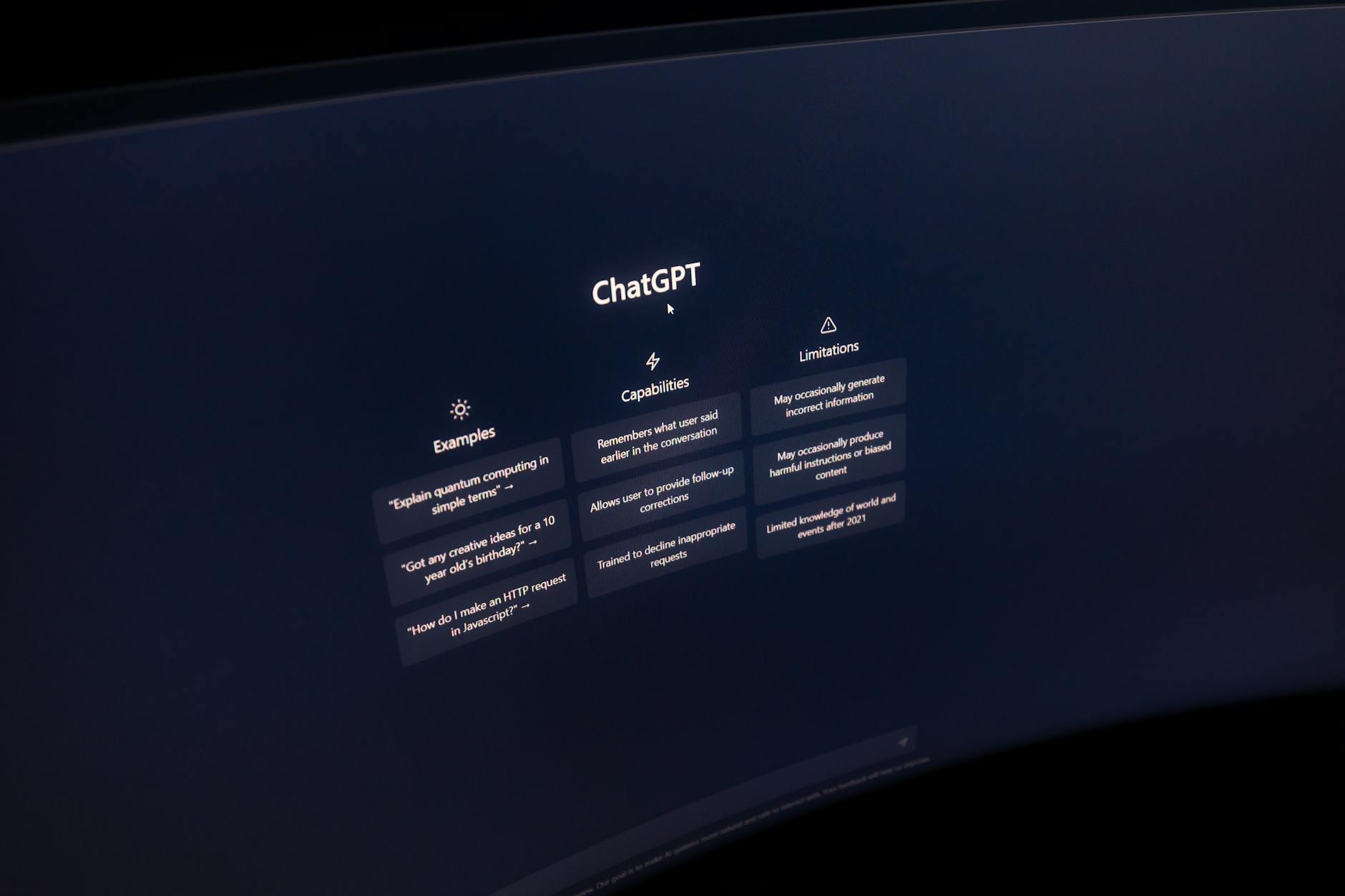
The platform uses natural language processing to engage students in conversation, answer questions, and guide them through assignments. For math, the AI can break down complex problems step-by-step. For reading, it offers vocabulary support and comprehension checks.The system is accessible on school-issued tablets and laptops, ensuring equitable access regardless of students’ home technology resources. The city allocated $75 million from federal pandemic relief funds to support the rollout, as detailed in a recent NYC DOE budget report.
Teacher Perspectives and Training
While some educators expressed initial concerns about AI replacing human interaction, most have welcomed the technology as a valuable supplement. The United Federation of Teachers (UFT) collaborated with the city to design training modules, ensuring teachers can integrate the AI tools effectively.“The AI tutor doesn’t replace me—it gives me more time to focus on students who need extra help,” said Maria Lopez, a fifth-grade teacher in Brooklyn, in an interview with Chalkbeat. Early feedback from teachers highlights reduced administrative workload and improved classroom differentiation.

Student Experiences and Equity
Students report feeling more confident and supported, especially those learning English as a second language. The AI can switch between languages and adapt to different learning styles, making it a powerful tool for the city’s diverse student population.According to a survey conducted by the NYC DOE in January 2026, 82% of students using the AI platform said it helped them understand lessons better. The technology also provides accessibility features for students with disabilities, including text-to-speech and visual aids.
Privacy and Ethical Considerations
The city has implemented strict data privacy protocols, working with the Electronic Frontier Foundation (EFF) to ensure student information is protected. All data is anonymized and stored securely, and parents can opt out of data sharing, according to official guidelines.Some advocacy groups, including the American Civil Liberties Union (ACLU), have called for ongoing transparency and independent audits to monitor the technology’s impact and prevent algorithmic bias.
Measuring Success and Early Results
Initial assessments show promising results: reading scores in pilot schools increased by an average of 9% over the 2024-2025 academic year, and chronic absenteeism dropped by 6%, according to NYC DOE data.The city plans to conduct a comprehensive evaluation at the end of the 2025-2026 school year, with results to be published in a peer-reviewed journal. Independent researchers from Columbia University will oversee the study to ensure objectivity.

National Implications and Future Expansion
Education leaders nationwide are watching New York City’s experiment closely. If successful, the model could be adopted by other large districts facing similar challenges. U.S. Secretary of Education Miguel Cardona praised the initiative as “a blueprint for modernizing public education.”EdTech companies report increased demand from other states, with Los Angeles and Chicago already in talks to pilot similar AI platforms in the fall of 2026, according to EdSurge.
What’s Next for AI in Classrooms?
The NYC DOE plans to expand the AI platform’s capabilities, including integration with virtual reality for science labs and advanced analytics for personalized college counseling. Ongoing teacher feedback will shape future updates.Sources: The New York Times, Education Week, National Center for Education Statistics, NYC Department of Education, Chalkbeat, EdSurge, Columbia University, Electronic Frontier Foundation, American Civil Liberties Union.
Sources: Information sourced from The New York Times, Education Week, NYC Department of Education, and reports by the National Center for Education Statistics.