
A surge in AI-powered tutoring tools is transforming U.S. classrooms this school year, with districts adopting adaptive learning platforms to boost student outcomes and address persistent achievement gaps.
Across the United States, the 2026 back-to-school season has seen a record wave of public school districts deploying AI-powered tutoring platforms, aiming to close achievement gaps and personalize learning, according to data from Education Week and The New York Times.
School leaders in major districts such as Los Angeles, Chicago, and Houston have rolled out adaptive learning systems powered by artificial intelligence to support students in math, reading, and science. The move comes in response to persistent learning losses following the COVID-19 pandemic, as reported by The Washington Post.

The most prominent platform, TutorAI, has been adopted by over 1,200 school districts this year, according to company press releases and district announcements. The platform uses natural language processing to provide real-time feedback, personalized lesson plans, and 24/7 homework help.
Background: The Rise of AI in Education
The integration of AI in classrooms accelerated after the pandemic exposed deep inequities in student achievement. According to the National Center for Education Statistics, average math and reading scores for U.S. students declined sharply between 2020 and 2023.
In response, the U.S. Department of Education released new guidelines in 2025 encouraging districts to explore AI-driven solutions. Federal funding for educational technology reached $2.3 billion in 2025, with a significant portion earmarked for AI pilot programs, according to EdTech Magazine.
How AI Tutoring Platforms Work
TutorAI and similar platforms analyze students’ responses to assignments and quizzes, adapting the difficulty and style of questions in real time. The AI provides instant feedback, explains errors, and suggests targeted practice activities.
Teachers receive detailed analytics on each student's progress, allowing them to tailor in-class instruction. According to a June 2026 survey by the American Federation of Teachers, 78% of teachers using AI platforms report improved engagement and time savings on grading.
Case Study: Los Angeles Unified School District
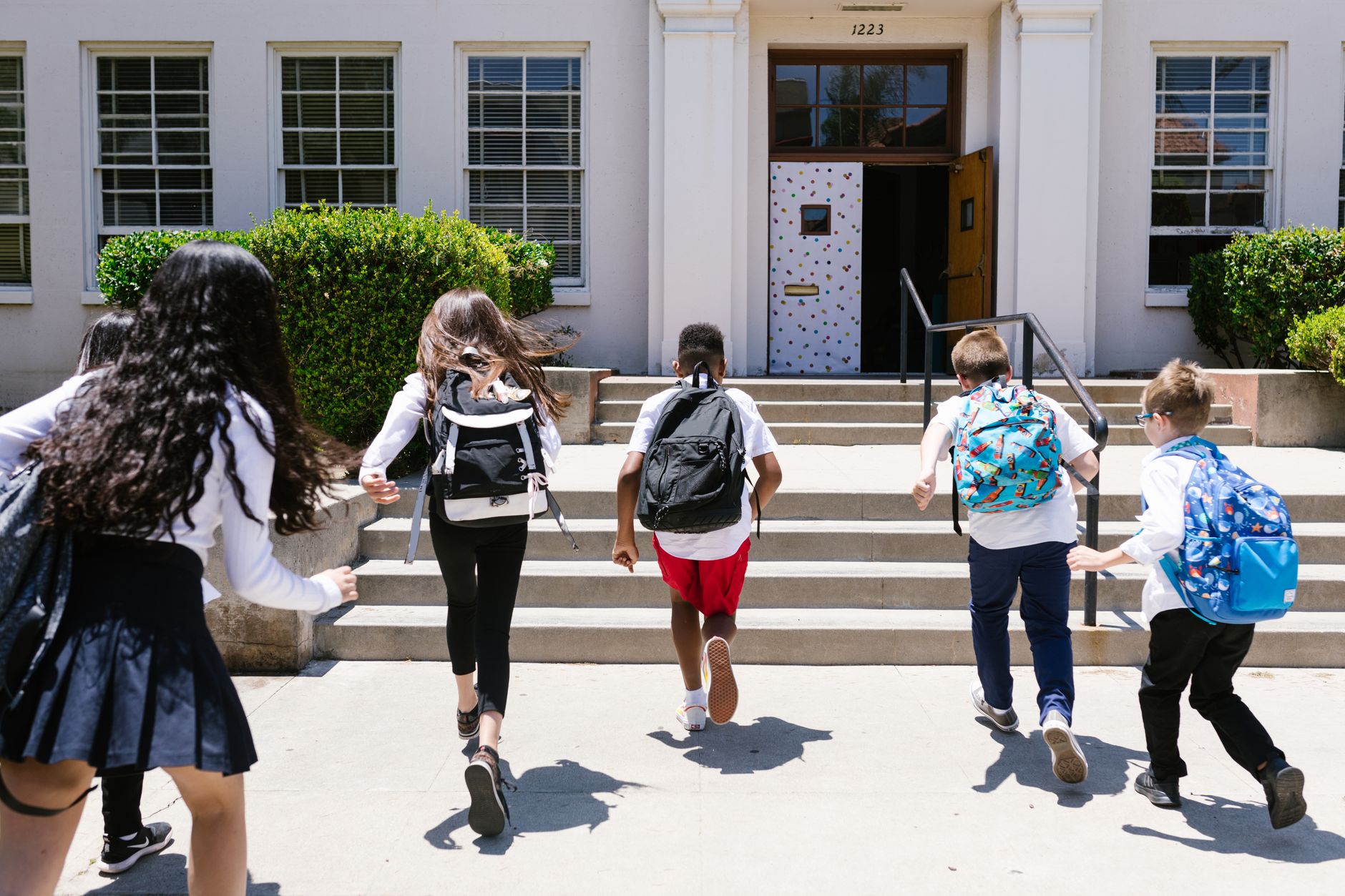
The Los Angeles Unified School District (LAUSD), the second-largest in the U.S., launched a district-wide AI tutoring initiative this July. Over 400,000 students now have access to TutorAI, with early pilot results showing a 15% improvement in math scores after one semester, according to LAUSD data.
Superintendent Alberto Carvalho stated in a press release, "AI tutoring gives every student a personalized coach, helping us bridge learning gaps faster than ever before."
Addressing Concerns: Equity, Privacy, and Teacher Roles
Some educators and parents have raised concerns about data privacy and the potential for algorithmic bias. The Electronic Frontier Foundation has called for transparent AI models and strict data protections for students.
Districts have responded by implementing strict data governance policies and requiring parental consent for AI tool usage. The U.S. Department of Education has issued updated FERPA guidelines for AI platforms, ensuring student data remains confidential.
Teachers’ unions have also emphasized that AI should augment, not replace, human educators. According to the National Education Association, most teachers see AI as a valuable assistant but stress the importance of maintaining the teacher-student relationship.
Impact on Student Learning and Achievement

Preliminary research from Stanford University’s Graduate School of Education found that students using AI tutoring platforms showed 10-18% higher gains in standardized test scores compared to peers without access, especially among English language learners and students with disabilities.
Student testimonials highlight increased confidence and motivation. "I used to struggle with algebra, but now the AI helps me understand step by step," said Maria Lopez, a tenth grader at Roosevelt High School in Los Angeles.
Challenges and Limitations
Despite successes, challenges remain. Not all students have equal access to devices or reliable internet at home, perpetuating the digital divide. Districts are working to provide laptops and Wi-Fi hotspots to underserved families, according to EdSurge.
Some critics argue that over-reliance on AI may reduce critical thinking or social interaction. However, most districts emphasize blended learning, combining AI-driven practice with teacher-led discussions and group activities.
What’s Next: Scaling Up and Policy Implications
With positive early results, more states are moving to mandate or incentivize AI tutoring in public schools. The Texas Education Agency announced a $100 million grant program this week to expand AI platforms statewide by 2027.
Federal policymakers are also considering new regulations to ensure AI tools meet educational standards and protect student rights. The White House EdTech Task Force is expected to release a national AI-in-education framework later this year.
Global Perspectives
Countries such as Singapore, South Korea, and the U.K. have also accelerated AI adoption in schools. UNESCO’s 2026 report notes that AI-driven personalized learning is a global trend, with the U.S. leading in public sector implementation.
Conclusion
As the 2026-27 school year begins, AI-powered tutoring is reshaping how millions of U.S. students learn. While challenges persist, early data suggest these technologies could play a pivotal role in closing achievement gaps and preparing students for a digital future.
Sources: Education Week, The New York Times, The Washington Post, EdTech Magazine, LAUSD, American Federation of Teachers, Stanford University, EdSurge, UNESCO.
Sources: Information sourced from Education Week, The New York Times, The Washington Post, and official reports from LAUSD, Stanford University, and UNESCO.