
A major oil spill in the Baltic Sea in April 2026 has triggered an international response, raising urgent questions about maritime safety, ecological impact, and future disaster prevention strategies.
On April 2, 2026, a massive oil spill occurred in the Baltic Sea off the coast of Sweden, causing widespread ecological damage and prompting a coordinated international emergency response, according to Reuters.
The spill, one of the largest in the region's history, followed the collision of a Russian-flagged oil tanker and a cargo ship near the port of Nynäshamn. Swedish authorities estimate that over 40,000 metric tons of crude oil were released into the sea, threatening marine life, fisheries, and coastal communities.
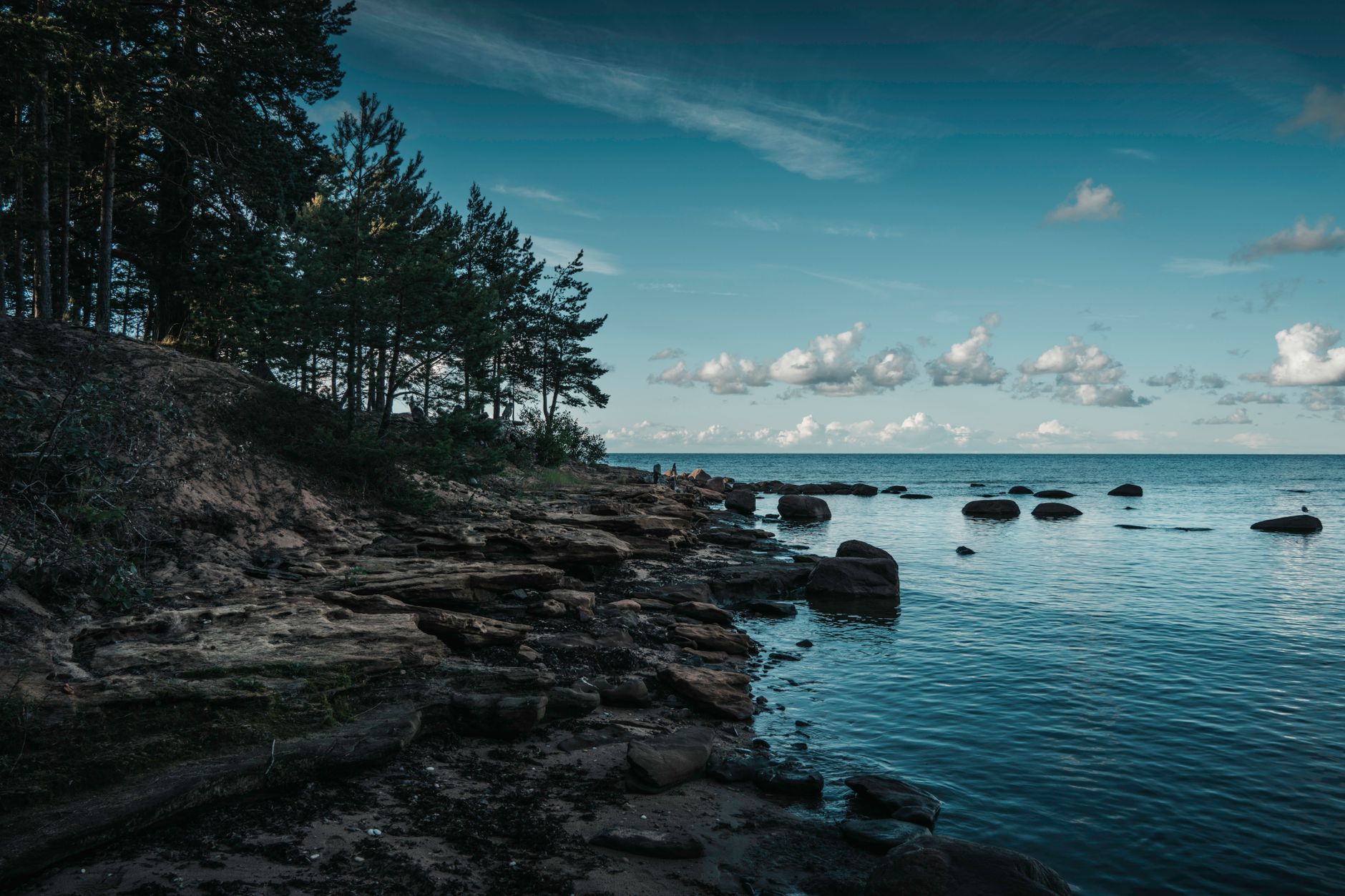
The Baltic Sea is a semi-enclosed, brackish body of water bordered by nine countries, making it particularly sensitive to pollution. According to the Helsinki Commission (HELCOM), the region already faces significant environmental stress from shipping, agriculture, and industrial runoff.
Background: A Vulnerable Ecosystem
The Baltic Sea supports over 85 million people living along its coasts and is home to unique species such as the Baltic ringed seal and the European eel. Its slow water exchange rate means pollutants linger for decades, compounding the effects of disasters like oil spills, as reported by The Guardian.
Shipping traffic in the Baltic has increased by 30% over the past decade, with more than 2,000 vessels traversing its waters daily, according to data from the European Maritime Safety Agency (EMSA). This traffic heightens the risk of accidents, especially in congested straits and during adverse weather.
The Incident: Timeline and Immediate Response
At 3:45 a.m. local time on April 2, the oil tanker 'Volga Star' collided with the Liberian-registered cargo ship 'Nordic Breeze' in dense fog. The impact ruptured two of the tanker's storage compartments, releasing crude oil into the sea within minutes, Swedish Coast Guard officials confirmed.
Emergency containment booms were deployed within four hours, but strong winds and currents spread the oil slick over a 40-kilometer stretch by midday. Finnish and Danish authorities quickly dispatched response vessels, while Germany and Poland offered technical support and cleanup equipment.
Ecological Impact: Wildlife and Fisheries at Risk

Preliminary assessments by the World Wildlife Fund (WWF) indicate that thousands of seabirds and marine mammals are at immediate risk. The spill threatens critical spawning grounds for herring and cod, which support regional fisheries worth over €1.2 billion annually, as reported by The Economic Times.
Local fishermen have reported dead fish washing ashore and a sharp decline in catches. Swedish environmental agencies warn that the toxic effects of crude oil could persist for years, disrupting food chains and damaging sensitive habitats like coastal wetlands and seagrass meadows.
Human and Economic Consequences
The spill has forced the closure of several popular beaches and nature reserves along the Swedish and Finnish coasts. Tourism operators estimate losses of up to €200 million for the upcoming summer season, according to data from Visit Sweden.

Health authorities have issued warnings about contaminated seafood and air quality, especially for vulnerable populations. Cleanup crews, numbering over 1,500 personnel, are working around the clock, but experts predict that full recovery will take years.
International Cooperation and Legal Challenges
The disaster has triggered the activation of the Helsinki Convention's emergency protocol, with all Baltic Sea nations participating in joint containment and recovery operations. Legal experts anticipate complex liability disputes, as both vessels involved were operating under different national jurisdictions.
The European Union has called for an urgent review of maritime safety regulations and insurance frameworks, emphasizing the need for stricter vessel monitoring and improved spill response capabilities, according to statements from the European Commission.
Lessons Learned: Prevention and Preparedness
Environmental groups argue that the disaster highlights persistent gaps in regional preparedness. A 2025 HELCOM report warned of inadequate spill response resources and outdated navigational aids in the Baltic, calling for investment in new technologies and cross-border training.
Experts also point to the need for stricter enforcement of double-hull requirements for tankers and mandatory real-time vessel tracking. Recent advances in satellite monitoring and drone surveillance could improve early detection and containment of future spills.
Global Implications: A Wake-Up Call
The Baltic Sea spill has reignited global debate about the risks of oil transport in sensitive marine environments. The International Maritime Organization (IMO) is convening an emergency session to discuss new global standards for tanker safety and spill response.
Environmental disasters like this one underscore the interconnectedness of ecological and economic systems. As climate change increases the frequency of extreme weather, experts warn that the risk of maritime accidents will only grow.
What's Next: Recovery and Reform

Swedish authorities have pledged €500 million for immediate cleanup and long-term restoration projects. International aid, including technical expertise and funding, is expected from the EU and United Nations Environment Programme (UNEP).
Investigations into the cause of the collision are ongoing. Early reports suggest possible navigation errors and equipment failures on the Volga Star. Maritime regulators are expected to release preliminary findings within weeks.
Regional leaders are calling for a Baltic Sea summit to address shared environmental risks and implement stronger safety measures. The outcome of these talks could set a precedent for maritime regulation in other vulnerable regions worldwide.
Sources
Major information for this article was sourced from Reuters, The Guardian, The Economic Times, the European Maritime Safety Agency, WWF, and HELCOM reports.Sources: Information sourced from Reuters, The Guardian, The Economic Times, European Maritime Safety Agency, WWF, and HELCOM reports.