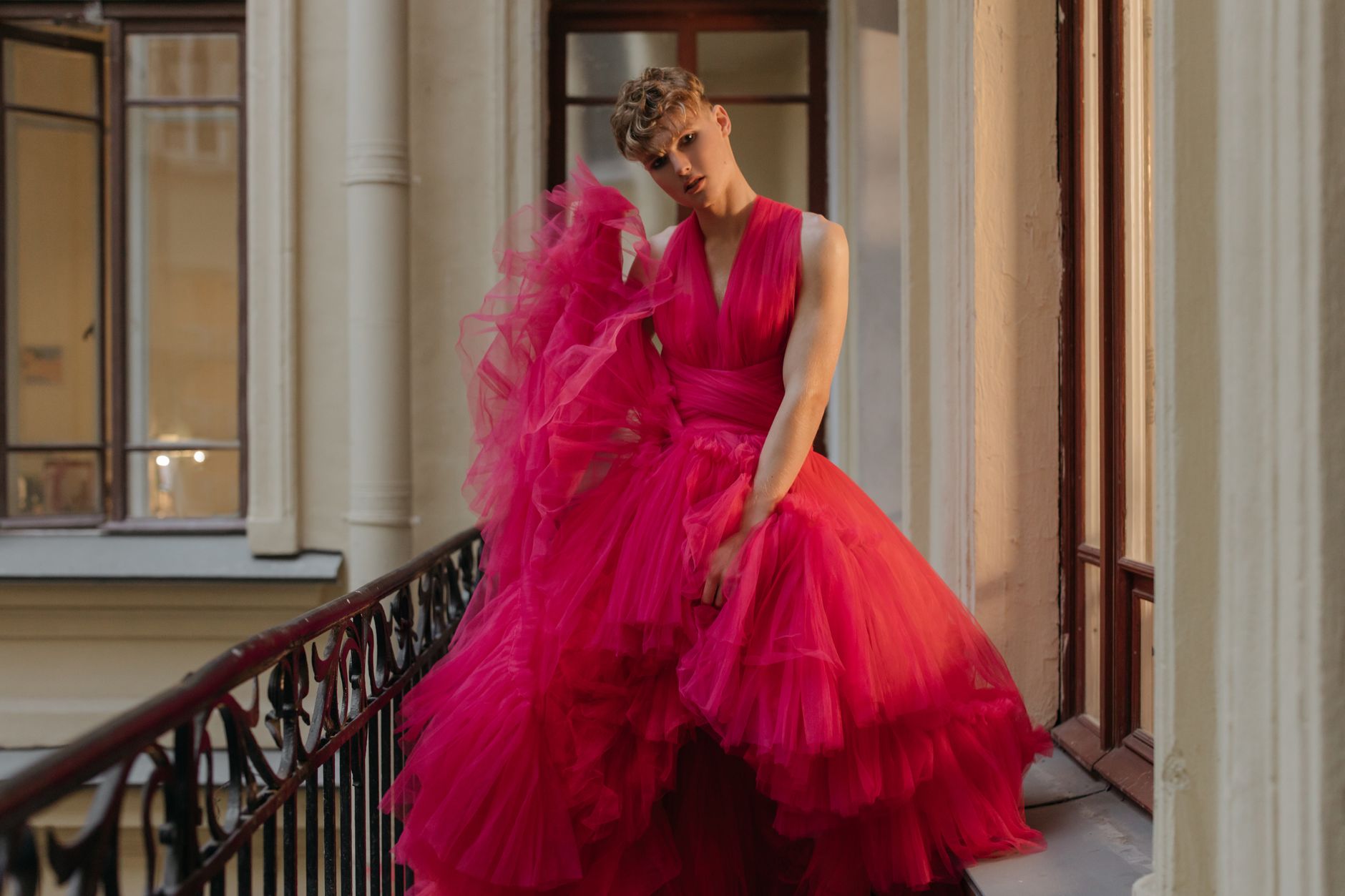
Barbiecore, a bold pink-centric aesthetic, is sweeping the fashion world this summer. Designers, celebrities, and retailers are embracing the trend, reshaping wardrobes and influencing global style choices.
Barbiecore, a vibrant, pink-forward fashion trend, has taken over summer 2026, with designers, celebrities, and influencers worldwide embracing the aesthetic in runways, retail, and street style, according to Vogue and The Business of Fashion.
The Barbiecore trend, characterized by bold shades of pink, playful silhouettes, and nostalgic references, surged after the global success of the 2023 'Barbie' film. Since then, pink-themed collections have dominated major fashion weeks, and the momentum has only grown this season.

Origins of Barbiecore: From Film to Fashion
The Barbiecore movement traces its roots to the cultural phenomenon sparked by Greta Gerwig’s 'Barbie' movie, which grossed over $1.4 billion globally, as reported by Variety. The film’s visual palette, saturated with pinks, inspired designers and consumers alike.Designers such as Valentino, Versace, and Balmain quickly adopted the Barbiecore aesthetic, launching collections featuring hot pinks, bubblegum hues, and playful accessories. According to The Business of Fashion, Valentino’s 2024 Pink PP collection set new sales records, cementing pink as a luxury staple.

Summer 2026: Pink on the Runway and Streets
This summer, Barbiecore is omnipresent. At Paris and Milan Fashion Weeks, designers unveiled collections dominated by fuchsia, magenta, and pastel pinks. Street style photographers captured influencers in monochrome pink ensembles, signaling widespread adoption.Retailers report surging demand for pink clothing and accessories. According to data from Lyst, searches for 'pink dress' increased by 78% in June 2026 compared to the previous year. Fast fashion brands like Zara and H&M have expanded their pink offerings to meet demand.
Celebrity Endorsements Fuel the Trend
High-profile celebrities have played a pivotal role in amplifying Barbiecore. Zendaya, Dua Lipa, and Timothée Chalamet have all been spotted in head-to-toe pink at recent premieres and public events, as reported by Harper’s Bazaar.Social media platforms, especially TikTok and Instagram, are awash with Barbiecore content. The hashtag #Barbiecore has amassed over 1.2 billion views on TikTok, with users sharing outfit inspiration, makeup tutorials, and shopping hauls centered on the trend.
Designers Push the Boundaries
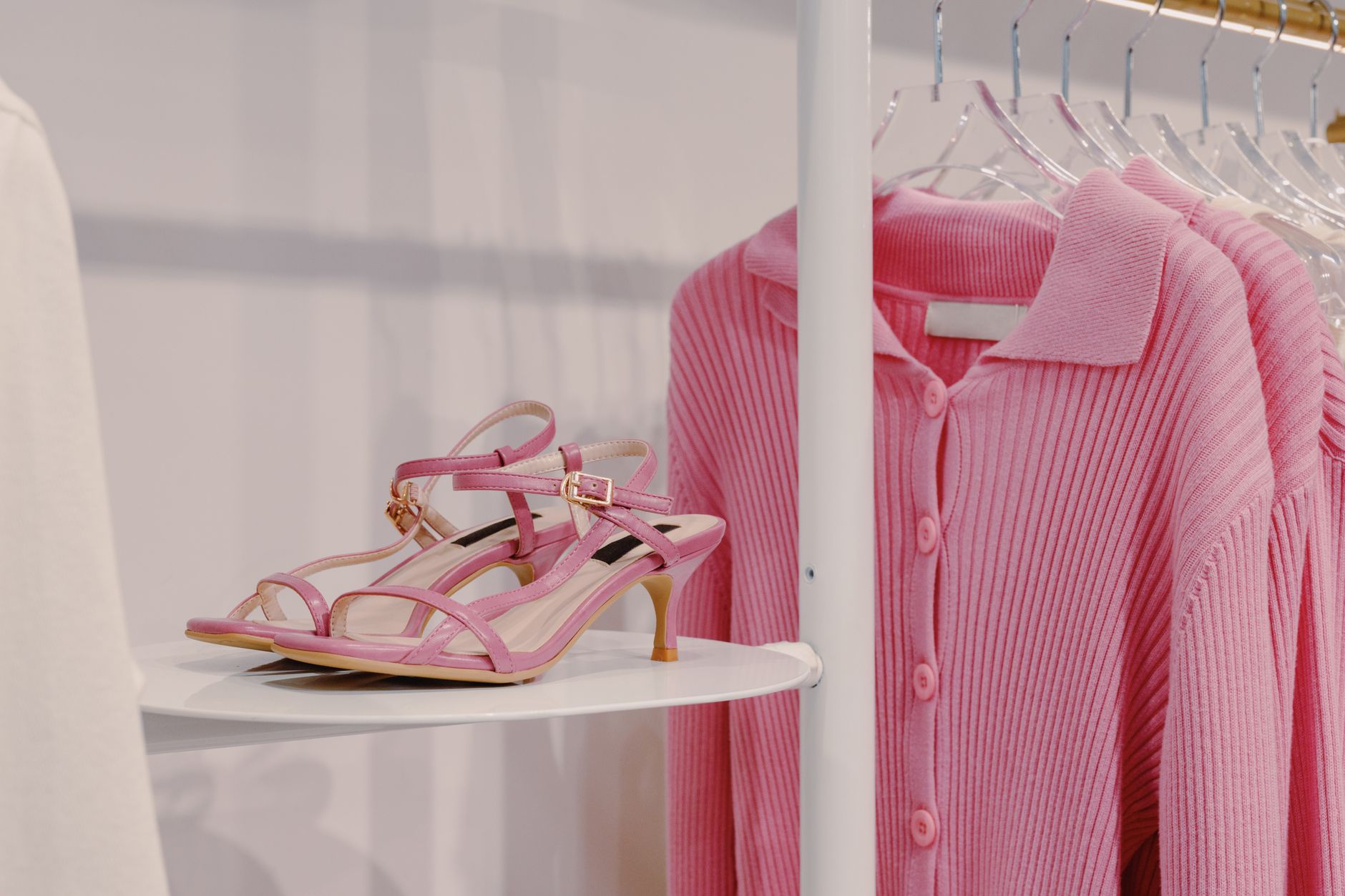
This season, designers are experimenting with pink in innovative ways. Stella McCartney introduced sustainable pink fabrics, while Off-White blended streetwear with classic Barbie motifs. Accessories such as pink platform shoes, sunglasses, and handbags are in high demand.Menswear has also embraced Barbiecore. Brands like Jacquemus and Gucci presented pink suits and shirts, challenging traditional gender norms in fashion. According to GQ, sales of pink menswear items have doubled since last summer.
Retailers Adapt to the Pink Surge
Retailers are rapidly adjusting inventory to capitalize on the Barbiecore craze. Nordstrom and Selfridges have launched dedicated in-store displays, while online platforms feature curated Barbiecore edits. According to Retail Dive, pink-themed pop-up shops have seen record foot traffic.Beauty brands are also riding the wave, releasing pink-themed makeup collections. Fenty Beauty and MAC have both reported increased sales of pink lipsticks and blushes, aligning with the broader aesthetic.
Barbiecore’s Societal Impact
Fashion analysts suggest Barbiecore’s popularity reflects a desire for optimism and escapism amid ongoing global uncertainties. According to The Guardian, the trend’s playful, nostalgic energy resonates with consumers seeking joy and self-expression.Psychologists note that color psychology plays a role, with pink associated with warmth, comfort, and positivity. The widespread embrace of pink signals a collective shift toward bolder, more expressive personal style choices.
Critiques and Cultural Conversations
While Barbiecore is celebrated for its inclusivity and fun, some critics argue it perpetuates unrealistic beauty standards. However, many designers and influencers are using the trend to challenge stereotypes and promote body positivity, as reported by Elle.The trend’s intersection with sustainability is also under scrutiny. Some brands are prioritizing eco-friendly materials and ethical production, while fast fashion’s rapid pink turnover raises concerns about waste and environmental impact.
What’s Next for Barbiecore?
Industry experts predict Barbiecore will evolve beyond pink, inspiring broader trends in playful, maximalist fashion. According to WGSN, pastel blues and lilacs are emerging as complementary shades for late summer and fall.Fashion houses are expected to continue blending nostalgia with innovation, leveraging the Barbiecore movement to experiment with color, texture, and silhouette. Retailers are preparing for continued high demand as back-to-school and holiday shopping seasons approach.
Sources
This article references reporting and data from Vogue, The Business of Fashion, Variety, Harper’s Bazaar, Lyst, GQ, Retail Dive, The Guardian, Elle, and WGSN.Sources: Information sourced from Vogue, The Business of Fashion, Variety, and other leading fashion industry publications.