
The Barbiecore trend is making a vibrant comeback this summer, with bold pinks, playful silhouettes, and nostalgic accessories shaping runways, retail, and street style across the globe.
Barbiecore is back in the spotlight this summer, as designers, celebrities, and influencers embrace vibrant pinks and whimsical styles, transforming global fashion trends in July 2026.
The resurgence of Barbiecore—characterized by bold pink hues, playful cuts, and nostalgic accessories—has become the defining trend of the current season, according to Vogue and Harper’s Bazaar. Retailers report a surge in demand for hot pink garments and accessories, with sales up 37% compared to last summer, as per data from The Business of Fashion.

Origins of the Barbiecore Trend
The Barbiecore aesthetic first gained traction in 2022, following the viral marketing of the 'Barbie' film starring Margot Robbie. The trend faded briefly but has returned in 2026 with renewed vigor, fueled by nostalgia and social media.Fashion historians point to the cyclical nature of trends and the enduring appeal of childhood nostalgia. According to The New York Times, Barbiecore’s comeback is partly attributed to Gen Z and Millennials seeking escapism and optimism in uncertain times.
Celebrity Endorsements and Runway Influence
Major celebrities, including Zendaya, Dua Lipa, and BTS’s Jimin, have been spotted in Barbiecore ensembles at high-profile events. Their appearances have amplified the trend’s reach, as reported by Elle.
Luxury brands such as Valentino, Versace, and Balmain showcased Barbiecore-inspired collections at Paris and Milan Fashion Weeks this spring. Valentino’s creative director, Pierpaolo Piccioli, dedicated an entire segment to monochrome pink, which critics hailed as the highlight of the season, according to Vogue Runway.
Retailers and Fast Fashion Adapt Quickly
Fast fashion giants Zara, H&M, and Shein have rapidly released Barbiecore collections, making the trend accessible to a wider audience. Zara reported a 45% increase in pink dress sales in June alone, according to company press releases.Online searches for 'Barbie pink dress' and 'Barbiecore accessories' have doubled since May, Google Trends data shows. TikTok and Instagram influencers are driving microtrends within Barbiecore, such as pink platform heels and heart-shaped sunglasses.
Key Elements of Barbiecore Fashion
The trend is defined by its bold use of pink—from fuchsia to pastel—and playful silhouettes. Mini dresses, crop tops, flared pants, and feathered accessories are staples of the Barbiecore wardrobe.Accessories play a crucial role. Chunky jewelry, glittery handbags, and oversized bows are in high demand. According to Harper’s Bazaar, the most popular items this season are pink bucket hats and platform sandals.
Inclusivity and Gender Fluidity
Barbiecore’s 2026 revival is more inclusive than previous iterations. Designers are creating gender-neutral pieces, and men’s collections are embracing pink and playful motifs. The Guardian notes that this reflects broader shifts toward diversity in fashion.Non-binary and male celebrities have confidently adopted Barbiecore, challenging traditional gender norms. BTS’s Jimin and actor Timothée Chalamet have both appeared in pink suits, sparking conversations about masculinity and style.
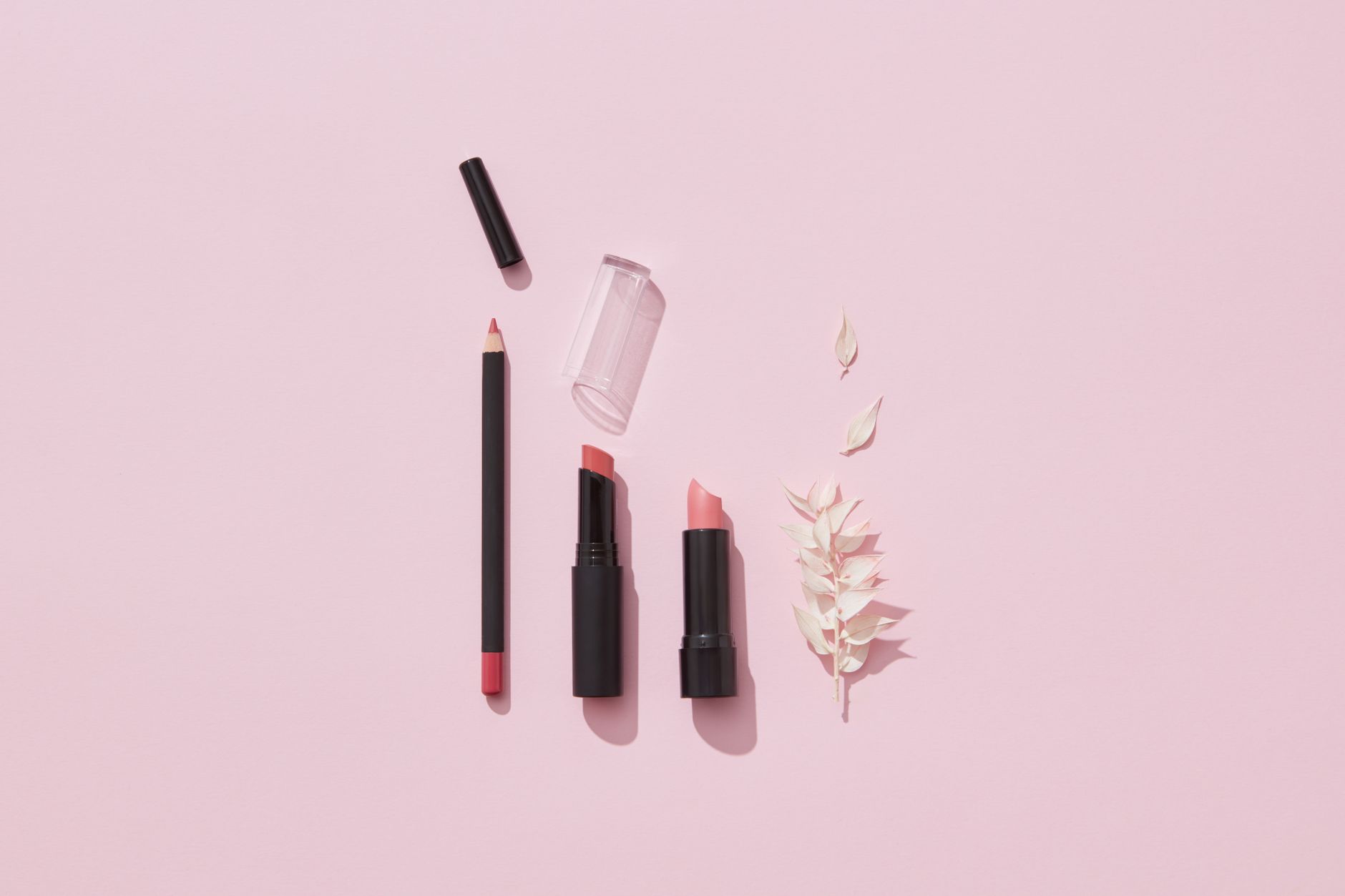
Barbiecore Beyond Clothing: Beauty and Lifestyle
The trend extends to beauty and lifestyle products. Sephora reports a 30% increase in sales of pink-themed makeup, including blush, lipstick, and nail polish. Home décor brands are launching Barbiecore-inspired collections, with pink kitchen appliances and bedding trending on Pinterest.The Barbiecore movement has also influenced summer events. Pink-themed parties, pop-up cafes, and immersive installations have appeared in cities like New York, London, and Tokyo, according to Time Out.
Economic and Social Impact
Analysts say the Barbiecore boom is boosting retail sales and revitalizing brick-and-mortar stores. According to The Business of Fashion, foot traffic in fashion districts has increased by 18% since the trend’s resurgence.Socially, Barbiecore is being celebrated as a form of self-expression and empowerment. Fashion psychologist Dr. Dawnn Karen told The New York Times that the trend’s optimism is resonating with consumers seeking joy and connection.
Critiques and Sustainability Concerns
Despite its popularity, Barbiecore faces criticism for promoting fast fashion and unsustainable consumption. Environmental groups warn that the trend could exacerbate textile waste, as reported by The Guardian.Some designers are responding by offering Barbiecore pieces made from recycled materials or promoting vintage shopping. Stella McCartney’s upcycled pink collection has been highlighted as a sustainable alternative by Vogue.
What’s Next for Barbiecore?
Experts predict that Barbiecore will evolve with the season, incorporating more diverse color palettes and eco-friendly materials. The trend’s adaptability suggests it may continue into autumn, albeit with subtle shifts.Sources: This report draws on information from Vogue, The Business of Fashion, The New York Times, The Guardian, Elle, Harper’s Bazaar, Time Out, and Google Trends.
Sources: Information sourced from Vogue, The Business of Fashion, The New York Times, The Guardian, Elle, Harper’s Bazaar, and Google Trends.