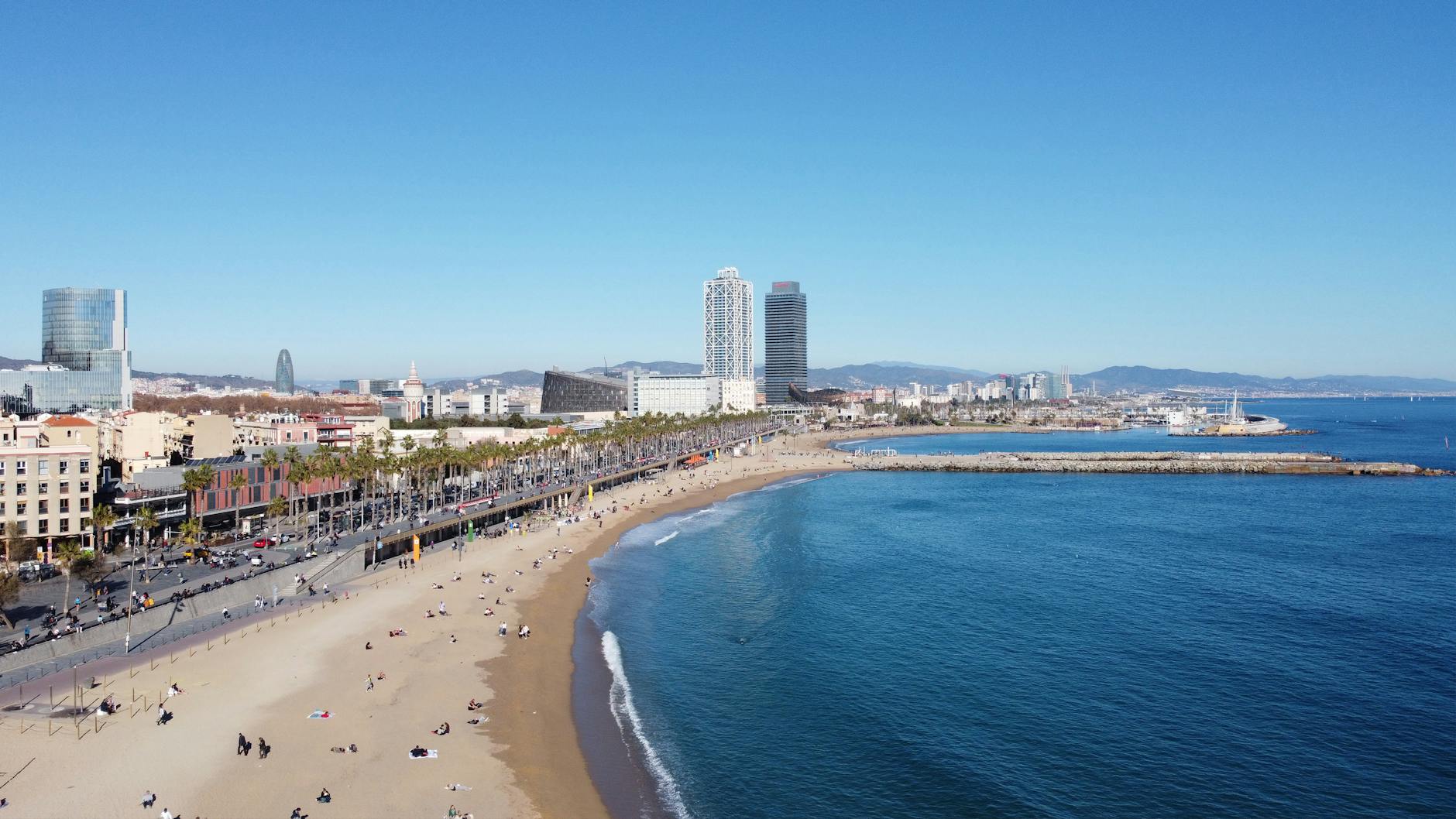
Barcelona’s ambitious 2026 smart city transformation is redefining urban development, integrating AI, IoT, and sustainability initiatives to enhance livability, efficiency, and citizen engagement on a global scale.
Barcelona, Spain, April 11, 2026 — Barcelona has launched a sweeping smart city initiative this week, aiming to become Europe’s most digitally advanced and sustainable metropolis by 2028. The project, unveiled by Mayor Ada Colau, integrates artificial intelligence, Internet of Things (IoT), and green infrastructure to address urban challenges, improve quality of life, and set a new global standard for urban innovation, according to Reuters.
Background: A City with Digital Ambitions
Barcelona has long been recognized for its forward-thinking urban planning, including its pioneering superblock (superilla) program and early adoption of smart technologies. The city’s 2026 overhaul builds on a decade of digital transformation, leveraging lessons from earlier projects and responding to mounting pressures of population growth, climate change, and economic competitiveness, as reported by The Guardian.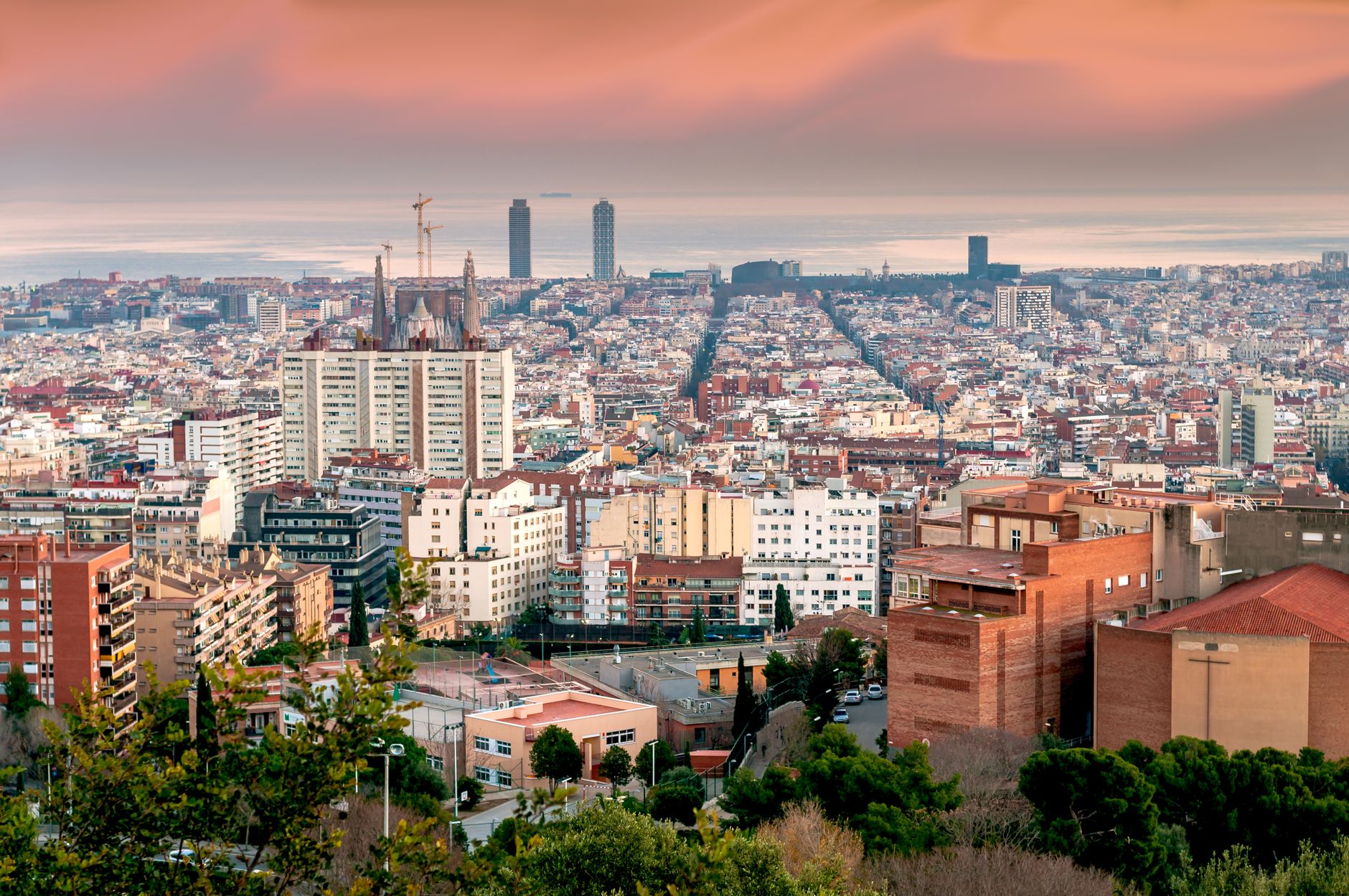
Key Features of the 2026 Smart City Plan
The new plan, dubbed 'Barcelona 2026: Smart, Green, Inclusive,' encompasses more than 50 projects across mobility, energy, public safety, and citizen engagement. Highlights include a citywide AI-powered traffic management system, expansion of green corridors, and the deployment of 5G-enabled IoT sensors to monitor air quality and infrastructure health, according to SmartCitiesWorld.The city has allocated €1.8 billion for the initiative, with funding from the European Union’s Horizon Europe program and public-private partnerships. The investment is expected to generate over 15,000 new tech jobs and reduce carbon emissions by 35% within four years, based on data from the Barcelona City Council.
AI and IoT: Transforming Urban Mobility
One of the most ambitious components is the AI-driven traffic management platform. Using real-time data from 12,000 IoT sensors, the system dynamically adjusts traffic signals, reroutes vehicles, and prioritizes public transport, reducing congestion and cutting average commute times by 18%, according to city officials.Barcelona’s public transport fleet is also undergoing electrification, with 80% of buses and taxis expected to be electric by 2028. The expansion of bike lanes and pedestrian zones complements these efforts, promoting sustainable mobility and healthier urban living, as detailed in the city’s official press release.

Green Infrastructure and Climate Resilience
To combat urban heat and improve air quality, Barcelona is increasing its green space by 25%, planting 100,000 new trees and creating additional parks and rooftop gardens. The city is also investing in permeable pavements and rainwater harvesting systems to bolster climate resilience, as outlined by the European Environment Agency.These green initiatives are projected to lower citywide temperatures by up to 2°C during summer months and reduce stormwater runoff by 30%, mitigating the impact of extreme weather events, according to climate data from the World Meteorological Organization.
Citizen Engagement and Digital Inclusion
Barcelona’s approach emphasizes co-creation with residents. The city has launched a digital participation platform, Decidim, enabling citizens to propose, discuss, and vote on urban projects. Over 120,000 residents have engaged with the platform since January, shaping priorities for neighborhood improvements, based on data from the city’s digital innovation office.To bridge the digital divide, Barcelona is providing free Wi-Fi in public spaces and digital literacy programs targeting seniors and low-income residents. The city aims for 95% digital inclusion by 2028, ensuring equitable access to smart city benefits, as reported by El País.
Data Privacy and Cybersecurity
With the proliferation of sensors and data-driven services, privacy and security are central concerns. Barcelona has adopted the European Union’s strictest data protection standards, including anonymization protocols and citizen data ownership frameworks, according to Politico Europe.The city has also established a cybersecurity operations center in partnership with local universities and tech firms, aiming to prevent breaches and safeguard critical infrastructure, as detailed in a recent report by Cybersecurity Ventures.
Challenges and Criticisms
Despite broad support, the initiative faces criticism from some advocacy groups. Concerns include potential gentrification, surveillance risks, and the exclusion of marginalized communities. City officials have pledged ongoing public consultations and impact assessments to address these issues, as reported by The Guardian.Experts also warn of the risk of technological obsolescence and vendor lock-in, urging the city to maintain open standards and transparent procurement processes, according to the Urban Land Institute.

Global Impact and Replicability
Barcelona’s smart city overhaul is already attracting international attention. Delegations from cities including New York, Singapore, and Dubai have visited to study its integrated approach. The European Commission has cited Barcelona as a model for urban digital transformation, according to EU news releases.Analysts predict that Barcelona’s project will influence policy and investment decisions across Europe and beyond, particularly as cities seek scalable solutions to climate, mobility, and digital inclusion challenges, as stated by McKinsey & Company.
What’s Next: Implementation and Monitoring
Barcelona’s smart city roadmap includes annual progress reviews, third-party audits, and regular citizen feedback sessions. The city will publish open data dashboards tracking key metrics—such as emissions, mobility, and citizen satisfaction—ensuring transparency and accountability, according to the city’s open data portal.The next phase, set to begin in September 2026, will focus on scaling up pilot projects and integrating new technologies, including quantum computing applications for urban logistics and AI-driven health services, as outlined in the city’s strategic plan.
Sources
Information for this article was sourced from Reuters, The Guardian, SmartCitiesWorld, Barcelona City Council, European Environment Agency, El País, Politico Europe, Cybersecurity Ventures, Urban Land Institute, EU news releases, and McKinsey & Company.Sources: Information sourced from Reuters, The Guardian, SmartCitiesWorld, Barcelona City Council, and European Environment Agency reports.