
Barcelona’s ambitious 2026 smart city expansion redefines urban living with AI-powered infrastructure, sustainability, and citizen-centric design, setting a global benchmark for digital urban transformation.
Barcelona, April 2, 2026 — Barcelona has launched the latest phase of its Smart City 2026 initiative, introducing AI-driven infrastructure upgrades, digital public services, and sustainable urban design, aiming to solidify its status as a global leader in urban digital transformation, according to city officials and international observers.
Barcelona’s Smart City Vision Expands in 2026

The city’s new phase, announced in March 2026, builds on a decade of digital innovation. According to the Barcelona City Council, the project’s goal is to create a more connected, efficient, and environmentally friendly urban environment by leveraging artificial intelligence, IoT sensors, and citizen participation platforms.
Background: A Decade of Digital Urbanism
Barcelona’s journey toward becoming a smart city began in the early 2010s, with investments in open data, digital mobility, and sustainable energy. By 2020, the city had already deployed over 20,000 IoT devices, according to the European Commission’s Smart Cities Marketplace.
The COVID-19 pandemic accelerated digital adoption, with remote public services and real-time data dashboards for health and mobility. In 2023, Barcelona was ranked among the top three smart cities in Europe by the IESE Cities in Motion Index.
Key Details of the 2026 Smart City Expansion
The 2026 initiative focuses on three pillars: AI-powered infrastructure, sustainable urban design, and digital inclusivity. More than €1.2 billion has been allocated to upgrade public transport, energy grids, and municipal services, according to the city’s official budget reports.
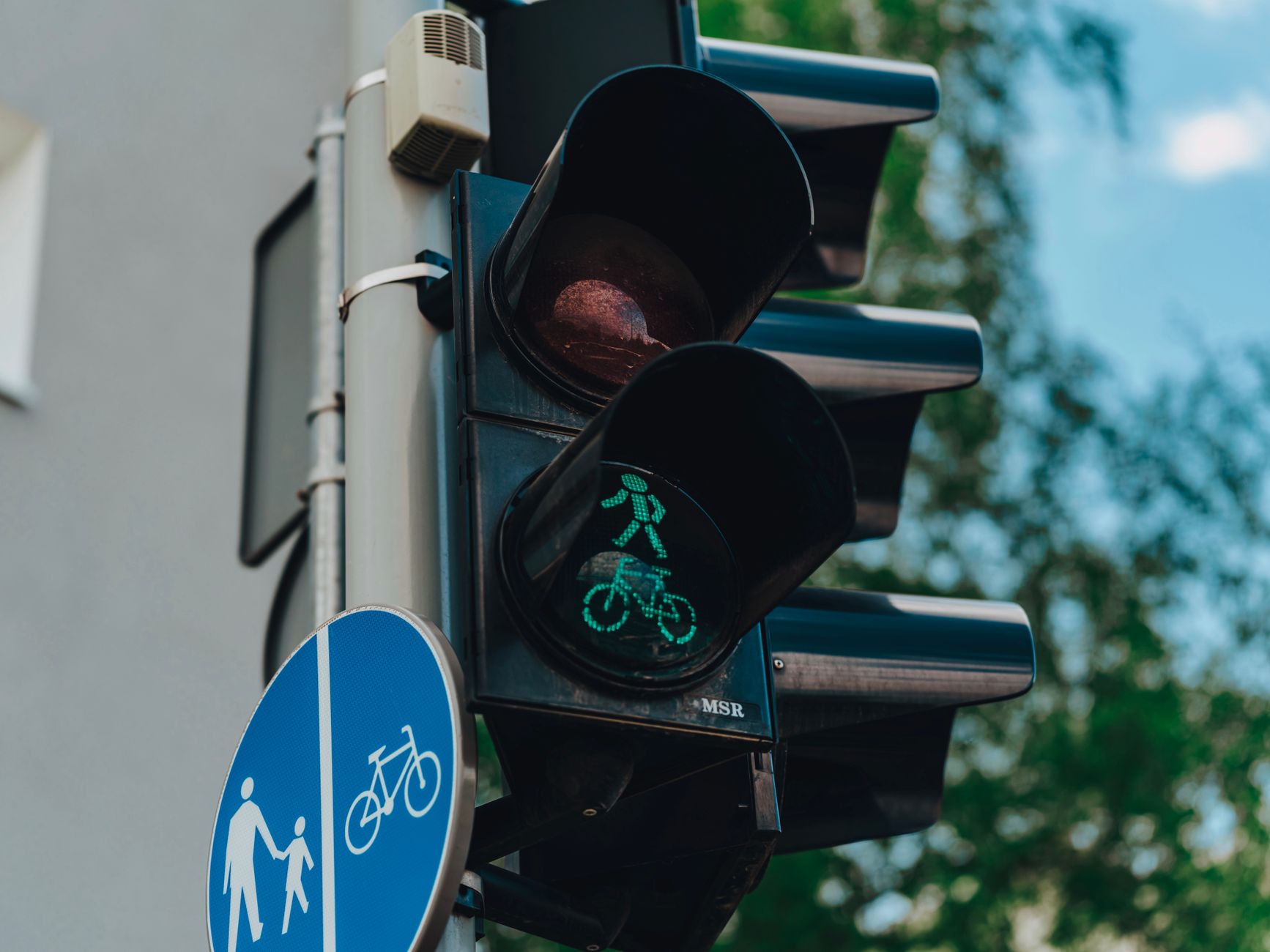
AI-driven traffic management systems now optimize traffic flow in real time, reducing congestion by 18% since January 2026, as reported by El País. Smart waste collection, powered by sensor-equipped bins, has cut municipal waste by 12% in pilot districts.
Barcelona’s new digital citizen portal, launched in February, enables residents to access over 120 public services online. The city reports a 40% increase in digital service usage since the portal’s launch.
Sustainability and Green Urbanism
Sustainability is central to the expansion. The city has added 35 kilometers of new bike lanes and expanded its electric bus fleet by 30%, according to the Barcelona Metropolitan Transport Authority. Rooftop solar installations now power 15% of public buildings.

Green corridors and smart parks, equipped with environmental sensors, monitor air quality and urban biodiversity. Data from the World Health Organization shows Barcelona’s air pollution levels have dropped by 9% year-over-year since 2024.
Citizen Engagement and Digital Inclusion
Barcelona’s participatory platforms allow residents to propose and vote on local projects. In 2025, over 120,000 citizens engaged in digital consultations, according to city data. Special programs target digital literacy for seniors and marginalized communities.
The city’s ‘Smart Citizen Kit’ initiative distributes free IoT sensors to residents, empowering them to monitor noise, air quality, and temperature in their neighborhoods. This grassroots data feeds into municipal planning.
Challenges: Privacy, Equity, and Scalability
Despite successes, challenges remain. Privacy advocates have raised concerns about data collection and surveillance. The Spanish Data Protection Agency is working with the city to ensure compliance with GDPR and local privacy laws.
Digital equity also poses hurdles. While internet access is nearly universal, some low-income districts lag in digital literacy. The city has pledged €50 million for digital inclusion programs in 2026.
Global Impact and Replication

Barcelona’s model is influencing cities worldwide. Delegations from Seoul, Toronto, and São Paulo have visited in 2026 to study its approach. The United Nations’ Smart Cities Programme cited Barcelona as a benchmark for urban digital transformation in its March 2026 report.
The city’s open-source software and public data platforms are freely available, allowing other municipalities to adapt Barcelona’s solutions to their local contexts.
What’s Next for Barcelona’s Smart City?
Looking ahead, Barcelona plans to expand AI-powered public safety systems, autonomous public transit pilots, and further integrate climate resilience features. The city aims to achieve net-zero municipal emissions by 2030, according to the mayor’s office.
City officials are also exploring partnerships with local startups and universities to foster ongoing innovation. The next annual Smart City Expo World Congress, scheduled for November 2026 in Barcelona, will showcase the city’s latest advancements.
Sources
References for this article include the Barcelona City Council, El País, IESE Cities in Motion Index, European Commission Smart Cities Marketplace, World Health Organization, Spanish Data Protection Agency, and the United Nations Smart Cities Programme.
Sources: Information sourced from Barcelona City Council, El País, IESE Cities in Motion Index, European Commission, WHO, Spanish Data Protection Agency, and United Nations reports.