Barcelona’s ambitious smart city transformation in 2026 is setting global benchmarks for urban sustainability, digital infrastructure, and citizen engagement, as cities worldwide look to replicate its success.
Barcelona, July 11, 2026 — Barcelona’s latest phase of its smart city initiative, launched in early 2026, is redefining urban development with cutting-edge technology, data-driven governance, and sustainability at its core, according to city officials and recent reports from The Guardian.
The city’s transformation comes as part of the 'Barcelona Urban Intelligence 2026' plan, which aims to integrate digital infrastructure, green mobility, and citizen-centric services. This initiative is being closely watched by urban planners worldwide, as reported by SmartCitiesWorld.

Background: Barcelona’s Smart City Journey
Barcelona has long been recognized as a pioneer in smart city innovation. Since 2011, the city has implemented sensor networks, open data platforms, and digital citizen services, according to the Barcelona City Council’s official reports.The latest overhaul builds on a decade of progress. In 2023, the city was ranked among the top five smart cities globally by the IESE Cities in Motion Index. The current plan seeks to address urban challenges such as congestion, pollution, and housing affordability.
Key Features of the 2026 Overhaul
The 2026 plan focuses on three pillars: digital infrastructure, sustainable mobility, and participatory governance. Over 5,000 new IoT sensors have been installed to monitor air quality, waste management, and traffic flows, according to data from the European Commission.Barcelona’s new digital twin platform, launched in March 2026, enables real-time visualization of city operations. This allows for predictive maintenance of infrastructure and rapid response to emergencies, as detailed in a recent report by The Guardian.
Green Mobility and Public Transport
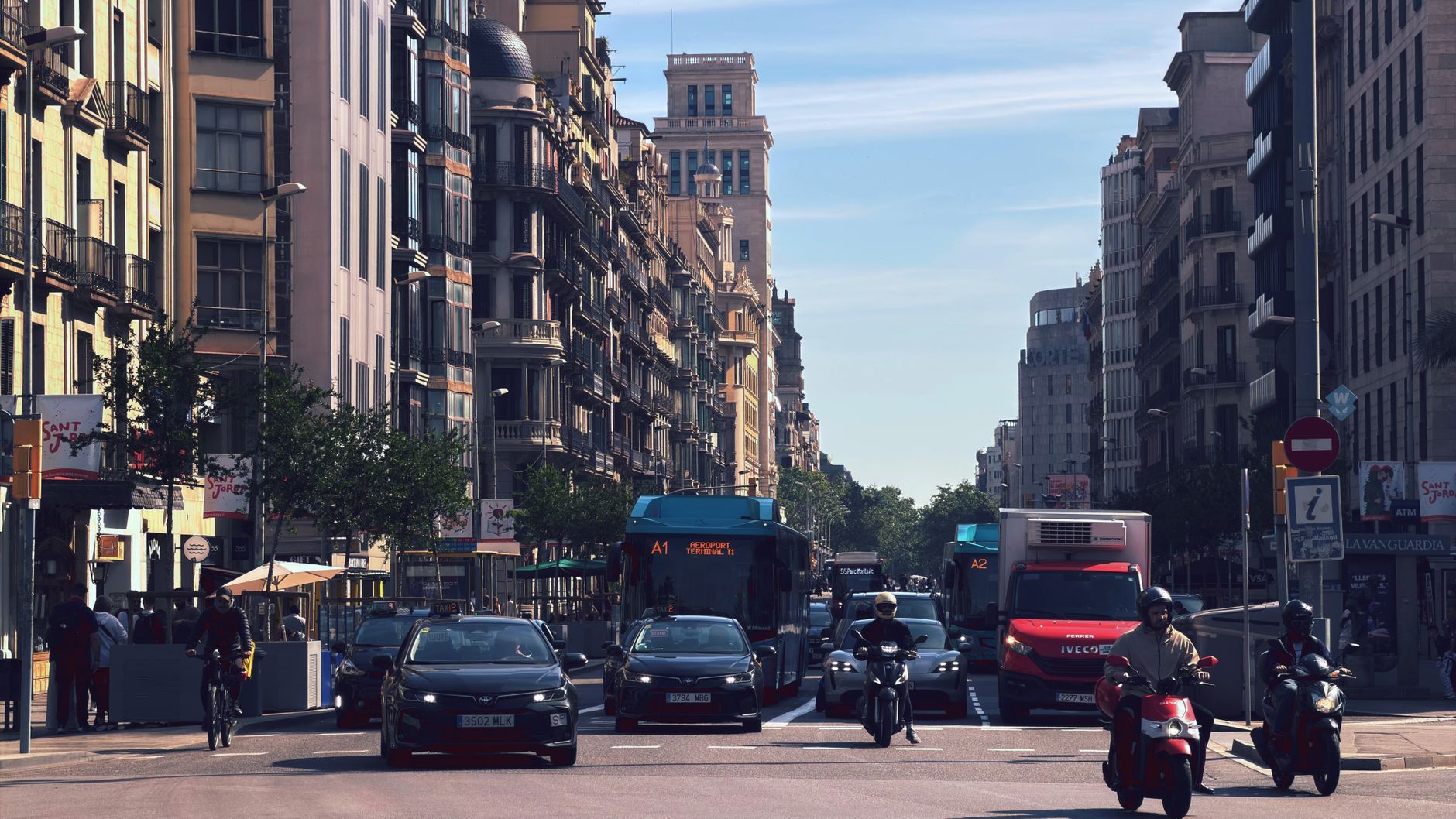
The city has expanded its electric bus fleet by 40%, introduced 120 km of new bike lanes, and deployed AI-powered traffic management systems. These measures have reduced average commute times by 12% and cut urban emissions by 18% since January, according to the Barcelona Mobility Agency.A new mobility app integrates public transport, e-bikes, and car-sharing services into a single payment platform. As reported by El País, over 1.2 million residents have adopted the app within six months, making it one of the fastest-growing urban mobility solutions in Europe.
Citizen Engagement and Digital Services
Barcelona’s participatory governance model is powered by the Decidim platform, which allows residents to propose and vote on local projects. In 2026, over 35,000 citizens participated in urban planning decisions, according to city council data.The city’s open data initiative has released more than 350 datasets, enabling startups and researchers to develop new urban solutions. The Guardian notes that this approach has fostered a vibrant civic tech ecosystem.
Challenges and Criticisms
Despite its successes, Barcelona’s smart city overhaul faces challenges. Privacy advocates have raised concerns about data collection and surveillance, as reported by Reuters. The city has responded by implementing strict data governance policies and transparency measures.Affordability remains a pressing issue. While digital services have improved access, rising housing costs and gentrification threaten to exclude lower-income residents, according to a recent study by the University of Barcelona.

Impact on Urban Sustainability
Barcelona’s efforts have yielded measurable results. Citywide energy consumption has dropped by 9% in the first half of 2026, and green space per capita has increased by 15%, according to municipal sustainability reports.The city’s approach has inspired similar projects in Milan, Amsterdam, and Singapore. The European Commission has cited Barcelona as a model for its new 'Green Digital Cities' initiative, launched in June 2026.
Expert Analysis: Lessons for Other Cities
Urban development experts highlight Barcelona’s emphasis on citizen engagement and open data as key success factors. Dr. Marta Sánchez of the Urban Institute of Catalonia notes that 'Barcelona’s participatory model ensures that technology serves people, not the other way around.'However, experts caution that replicating Barcelona’s model requires strong political leadership, cross-sector collaboration, and sustained investment, as detailed in a June 2026 report by SmartCitiesWorld.
What’s Next for Barcelona?
The city plans to expand its smart district program to underserved neighborhoods, focusing on affordable housing and digital literacy. A €300 million investment package was approved in July 2026 to support these initiatives, according to El País.Barcelona is also piloting next-generation 6G networks and autonomous public transport, aiming to further reduce emissions and improve connectivity by 2028, as outlined in the city’s strategic roadmap.
Sources
Information for this article was sourced from The Guardian, SmartCitiesWorld, Reuters, El País, the Barcelona City Council, the European Commission, and the University of Barcelona.Sources: Information sourced from The Guardian, SmartCitiesWorld, Reuters, El País, the Barcelona City Council, the European Commission, and the University of Barcelona.