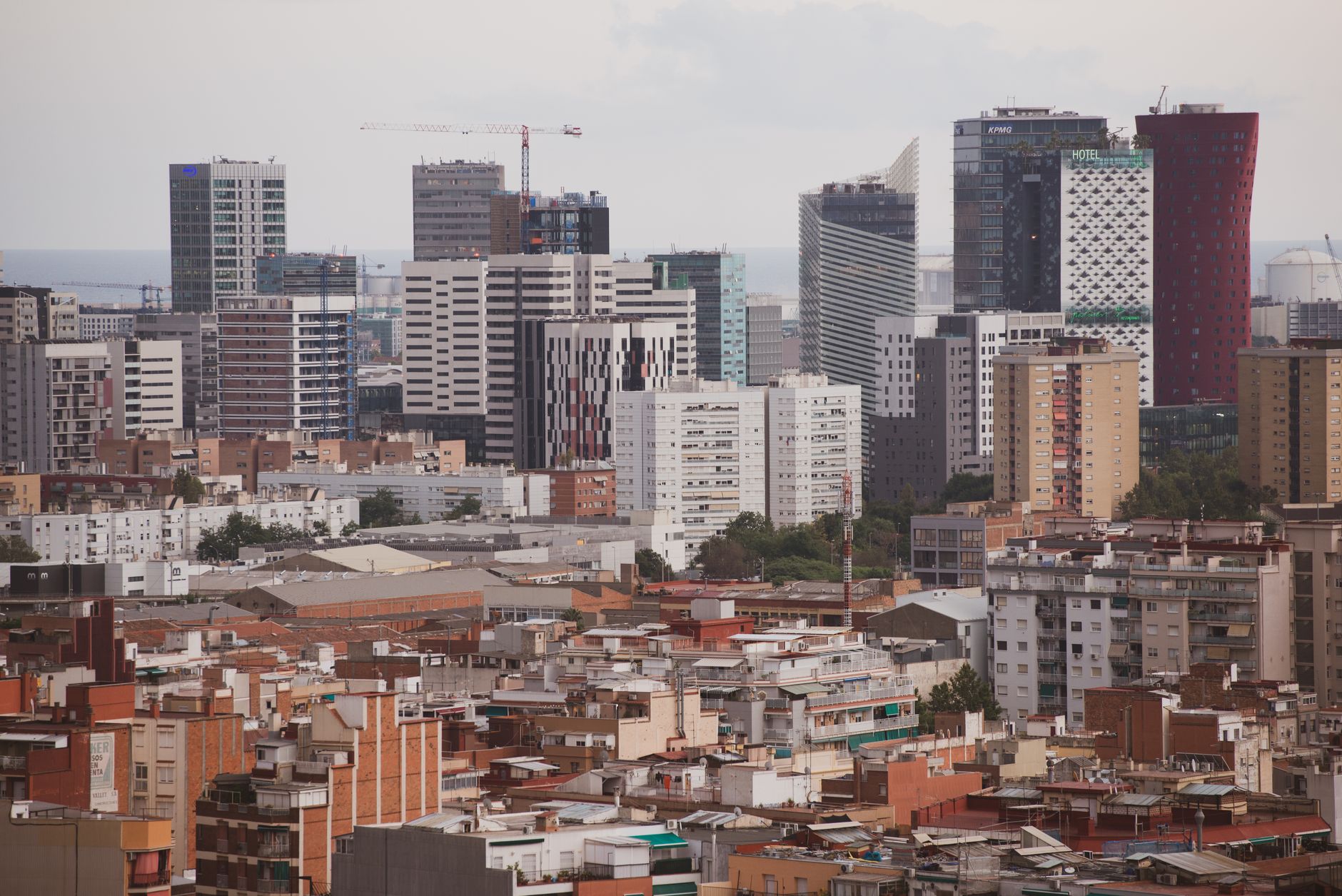
Barcelona’s 2026 smart city overhaul integrates AI, IoT, and green tech, reshaping urban life. This case study analyzes the city’s ambitious projects, challenges, and global implications.
Barcelona, Spain — July 18, 2026: Barcelona has unveiled the latest phase of its ambitious smart city initiative, integrating artificial intelligence, IoT, and green infrastructure to redefine urban living, according to Reuters. This case study explores the city’s approach, the technology deployed, and the impact on residents and global urban development.
Background: Barcelona’s Smart City Vision
Barcelona has long been a pioneer in urban innovation. Since the early 2010s, the city has invested in digital infrastructure and sustainable mobility. By 2026, Barcelona’s vision is to become Europe’s leading smart city, focusing on efficiency, inclusivity, and sustainability, as outlined in the city’s official Smart City Roadmap.
Key Projects Launched in 2026
This year, Barcelona rolled out several flagship projects. The most notable is the AI-powered mobility platform, which optimizes public transport routes in real time. Additionally, the city expanded its sensor network, monitoring air quality, noise, and energy consumption across districts, as reported by The Guardian.A new district-wide energy management system was launched in Eixample, leveraging smart grids and solar panels. This project aims to reduce carbon emissions by 30% by 2030, according to data from the Barcelona City Council.
AI and IoT: The Technological Backbone
The integration of artificial intelligence and Internet of Things (IoT) devices underpins Barcelona’s smart city transformation. Over 20,000 sensors now collect real-time data, feeding into a centralized Urban Data Platform. This platform enables predictive maintenance for infrastructure and dynamic resource allocation, as detailed by SmartCitiesWorld.AI algorithms analyze traffic flows, adjusting signal timings to reduce congestion. IoT-enabled waste bins alert collection services when full, cutting operational costs by 15%, according to city officials.
Green Infrastructure and Climate Resilience
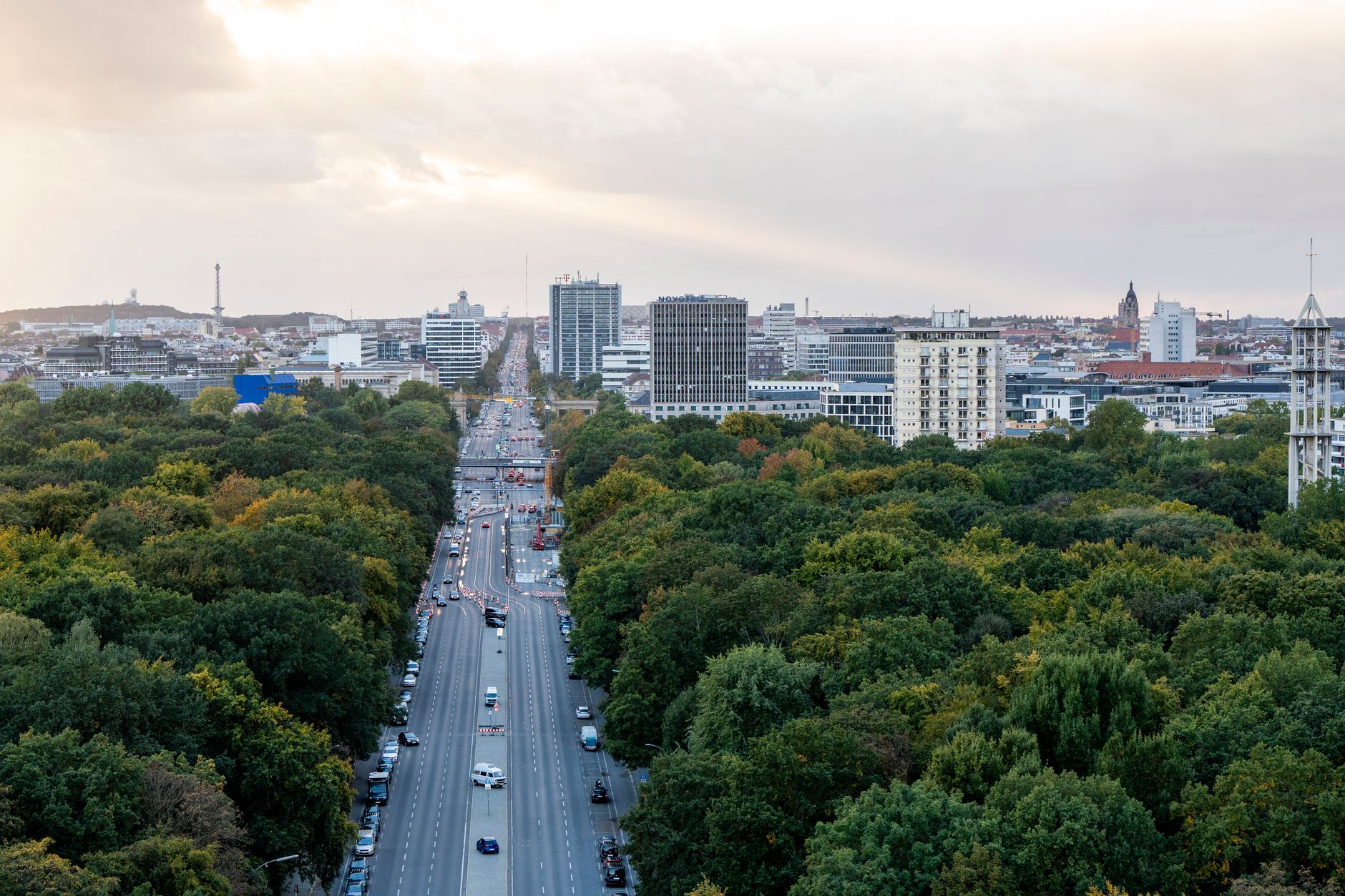
Barcelona’s smart city strategy places strong emphasis on sustainability. The city has increased green spaces by 12% since 2022 and installed over 500 smart irrigation systems. These systems use soil moisture data to optimize water use, as reported by El País.The city’s new climate resilience plan includes smart flood sensors along the Besòs River, providing early warnings and reducing flood response times by 40%, according to the European Commission’s Urban Resilience Report.
Citizen Engagement and Digital Inclusion
Barcelona’s approach is notable for its focus on citizen participation. The Decidim digital platform allows residents to propose and vote on urban projects. In 2026, over 60,000 citizens engaged in decision-making, shaping the rollout of new mobility solutions, according to the city’s Open Data Portal.Digital inclusion initiatives have provided free high-speed Wi-Fi in public spaces and digital literacy programs, reducing the city’s digital divide by 18% since 2023, as per the Barcelona Digital Inclusion Report.
Challenges: Privacy, Equity, and Scalability
While Barcelona’s progress is significant, challenges remain. Privacy advocates have raised concerns about data collection and surveillance. The city has responded by implementing strict data governance policies and anonymization protocols, as reported by Politico EU.Equitable access to smart services is another hurdle. Some neighborhoods lag in digital infrastructure, prompting targeted investment to ensure all residents benefit from smart city advancements.
Economic and Social Impact
Barcelona’s smart city projects have attracted €1.2 billion in public and private investment since 2024, according to The Financial Times. The initiatives have created over 8,000 jobs in tech and green sectors, boosting local economic resilience.Socially, the city reports improved public satisfaction with transport and environmental quality. Surveys conducted by the Barcelona Institute of Regional and Metropolitan Studies show a 22% rise in resident satisfaction since 2022.
Global Implications and Replicability
Barcelona’s smart city model is influencing urban development worldwide. Delegations from over 30 cities have visited in 2026 to study its approach, according to the Smart City Expo World Congress.Experts highlight the importance of adaptable frameworks and citizen-centric design for successful replication. Barcelona’s open-source platforms and transparent governance are cited as best practices by the World Economic Forum.
What’s Next for Barcelona?
The city plans to expand its digital twin project, creating a real-time virtual model of urban systems by 2028. Future initiatives include autonomous public transport pilots and further integration of renewable energy sources.Barcelona’s leadership has set ambitious targets: carbon neutrality by 2035 and universal digital access by 2030. Monitoring and evaluation mechanisms are being strengthened to track progress and ensure accountability.
Conclusion: Lessons for Urban Futures
Barcelona’s 2026 smart city transformation demonstrates the potential of technology-driven urban development. The city’s experience offers valuable lessons in balancing innovation, sustainability, and inclusivity for global cities facing rapid urbanization.Sources: Reuters, The Guardian, El País, The Financial Times, SmartCitiesWorld, Politico EU, Barcelona City Council, European Commission, World Economic Forum.
Sources: Information sourced from Reuters, The Guardian, El País, and official reports from Barcelona City Council and the European Commission.