
A massive oil spill in Brazil’s Amazon in July 2026 threatens unique ecosystems and Indigenous communities. This case study examines the disaster’s causes, response efforts, and urgent lessons for global prevention.
Brazil’s Amazon region is facing an environmental emergency after a major oil spill on July 14, 2026, contaminated hundreds of kilometers of river, threatening wildlife, Indigenous communities, and global climate efforts.
The spill, which originated from a ruptured pipeline operated by PetroBras near the city of Manaus, has released an estimated 18,000 barrels of crude oil into the Rio Negro, according to Brazil’s National Agency of Petroleum, Natural Gas and Biofuels (ANP).
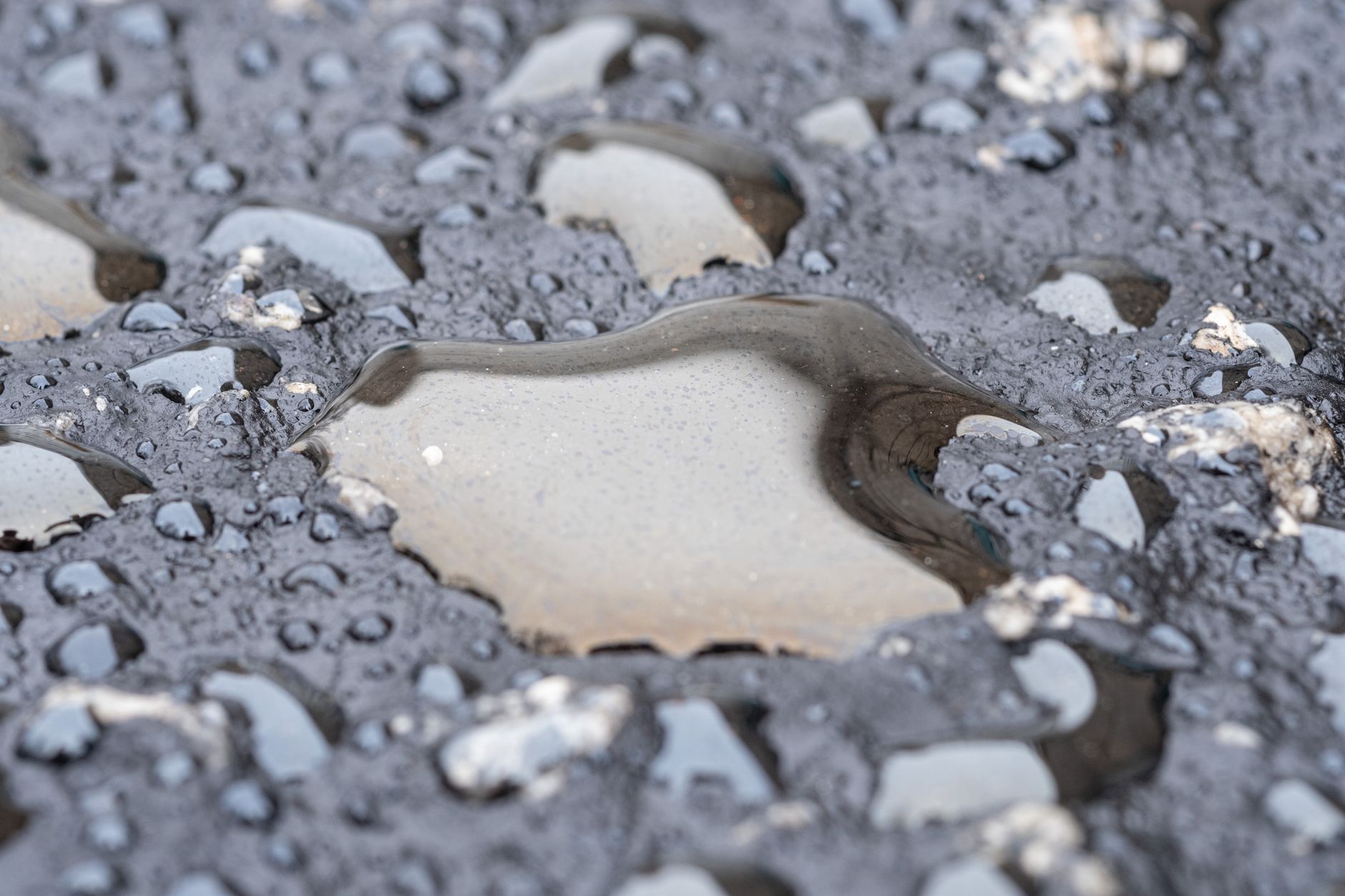
Local and international environmental groups have described the incident as the worst oil spill in the Amazon in decades. The contamination is rapidly spreading downstream, affecting tributaries, wetlands, and remote villages, as reported by Reuters.
Background: The Amazon’s Fragile Ecosystem
The Amazon rainforest is home to 10% of the world’s biodiversity and is a vital carbon sink, according to the World Wildlife Fund (WWF). Its rivers support thousands of species and provide drinking water for millions of people.
Oil extraction in the Amazon has long been controversial. Environmentalists and Indigenous leaders have warned that aging infrastructure and lax regulations could lead to disasters, as highlighted in a 2025 report by The Guardian.
How the Spill Happened
Officials say the leak began late on July 13 when a pressure surge ruptured a 40-year-old pipeline segment. PetroBras initially detected a drop in pressure but failed to shut down the flow for several hours, according to ANP’s preliminary investigation.

Satellite imagery from NASA shows a slick stretching over 120 kilometers by July 16. Local fishermen were among the first to report dead fish and oil-covered riverbanks, prompting an emergency response.
Immediate Response and Challenges
Brazil’s federal government declared a state of emergency on July 15. Over 1,500 responders, including military units and international experts, have been deployed to contain the spill. Booms and skimmers are being used, but strong currents and remote terrain complicate efforts, according to O Globo.
PetroBras CEO Ana Paula Souza issued a public apology and pledged $100 million for cleanup and community support. However, critics argue that the response was too slow and that local residents lacked protective equipment, as reported by Folha de S.Paulo.
Human and Environmental Impact
The spill has already affected at least 15 Indigenous villages, contaminating water supplies and fish stocks. The Coordination of Indigenous Organizations of the Brazilian Amazon (COIAB) reports that over 8,000 people are at risk of waterborne diseases and food insecurity.

Preliminary assessments by the Brazilian Institute of Environment and Renewable Natural Resources (IBAMA) indicate mass fish die-offs and oil-coated birds and mammals. Experts warn that recovery could take decades, as seen in past disasters such as the 2019 Norilsk oil spill in Russia.
Economic and Social Fallout
Local economies dependent on fishing and ecotourism have been devastated. According to the Manaus Chamber of Commerce, losses could exceed $200 million in the coming months. Schools and clinics in affected areas have closed due to health risks.
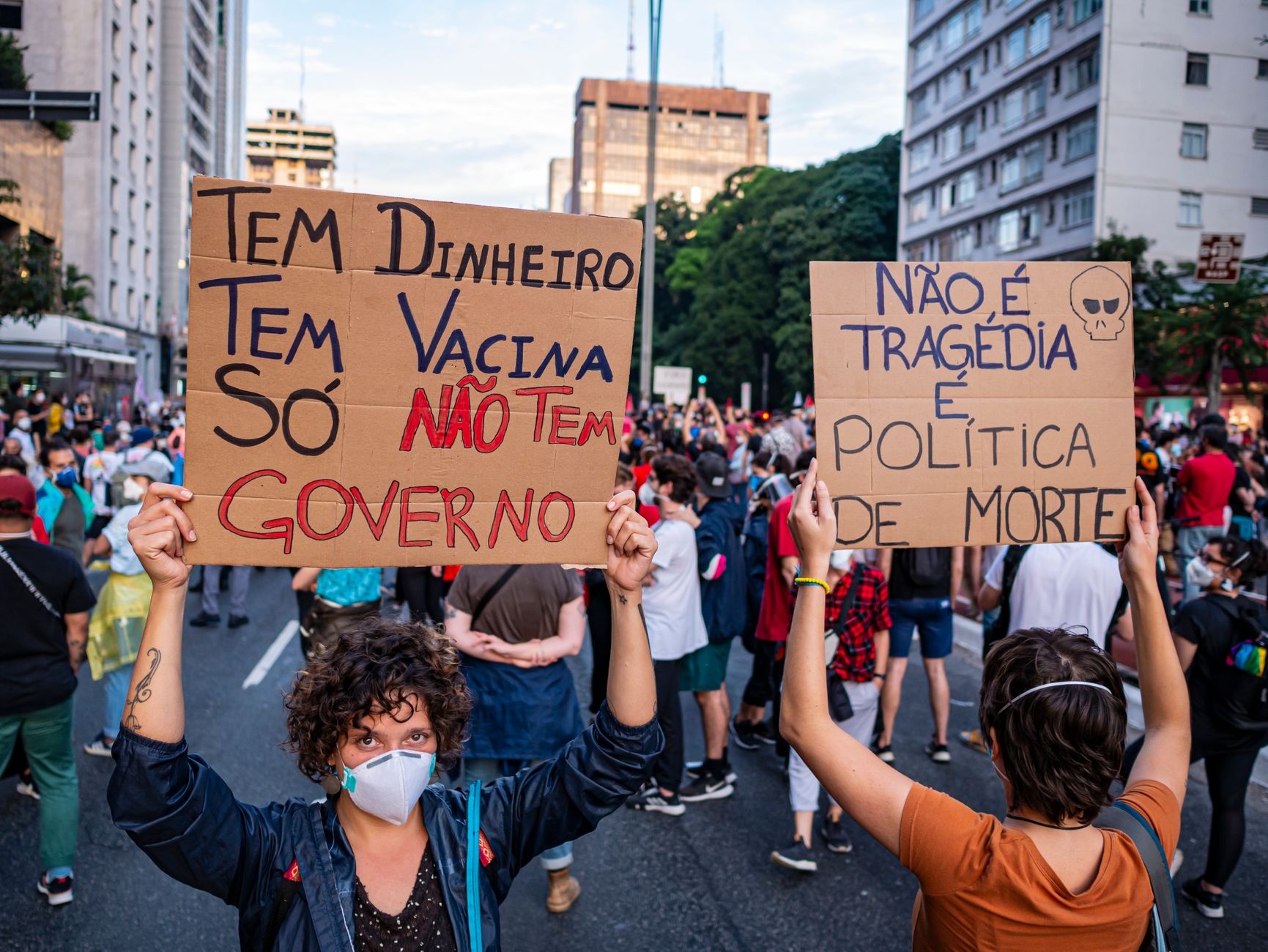
Social unrest is growing. Protests erupted in Manaus on July 17, with demonstrators demanding stricter regulation of oil infrastructure and greater compensation for affected communities, as reported by BBC News.
Lessons for Global Disaster Prevention
Experts say the Amazon spill highlights the urgent need for modernizing oil infrastructure, improving emergency detection, and including Indigenous voices in risk planning. According to a 2026 UN Environment Programme brief, many pipelines in sensitive regions are decades old and vulnerable to failure.
International observers point to successful models in Norway and Canada, where real-time monitoring and rapid shutdown systems have reduced spill frequency. The Amazon case underscores the importance of transparency and public participation in environmental oversight.
What’s Next: Recovery and Accountability
Brazilian prosecutors have launched a criminal investigation into PetroBras and regulatory agencies. President Luiza Silva has called for a national review of all oil infrastructure and pledged to strengthen environmental laws.
Long-term recovery will require extensive ecosystem restoration, health monitoring, and economic support for affected communities. International aid offers are arriving, but experts warn that rebuilding trust and resilience will take years.
This disaster serves as a stark warning for other nations with aging oil infrastructure in ecologically sensitive areas. The lessons from Brazil’s Amazon spill may shape global policies on environmental disaster prevention and response.
Sources
- Reuters
- O Globo
- BBC News
- Folha de S.Paulo
- World Wildlife Fund
- Brazilian Institute of Environment and Renewable Natural Resources (IBAMA)
- UN Environment Programme
- The Guardian
Sources: Information sourced from Reuters, O Globo, BBC News, Folha de S.Paulo, and reports by WWF, IBAMA, the UN Environment Programme, and The Guardian.