
A massive oil spill in Brazil’s Amazon basin has triggered an environmental crisis, threatening biodiversity and indigenous communities. This article examines the disaster, response efforts, and urgent lessons learned.
Brazil’s Amazon basin is facing its worst environmental disaster in decades after a ruptured pipeline spilled over 15,000 barrels of crude oil into the Rio Negro, contaminating vast stretches of river and rainforest since July 18, 2026, according to Brazil’s Ministry of Environment.
The spill, which began near the city of Manaus, has rapidly spread downstream, affecting over 200 kilometers of waterways and threatening the livelihoods of thousands of indigenous people and riverine communities, as reported by Reuters.

Authorities declared a state of emergency in Amazonas state on July 19, mobilizing federal and military resources to contain the spill. Environmentalists warn that cleanup efforts are hampered by the region’s remote terrain and the onset of the rainy season.
Background: A Fragile Ecosystem at Risk
The Amazon basin is home to 10% of the world’s known biodiversity, according to WWF. The Rio Negro, a major tributary, supports hundreds of fish species and is vital for local food security and transportation.
Brazil’s state-run oil company, Petrobras, operates several pipelines in the region. The ruptured line, built in 2012, had previously been flagged for corrosion risks in a 2024 audit by Brazil’s National Petroleum Agency (ANP).
Experts say the Amazon’s delicate balance makes it especially vulnerable to pollution. Oil contamination can persist for years, damaging aquatic habitats and entering the food chain, as documented in past incidents in Ecuador and Peru.
Timeline and Scale of the Disaster
The rupture was first detected at 3:30 a.m. local time on July 18, when monitoring systems indicated a sudden pressure drop. By dawn, oil had already reached the banks of several indigenous villages, according to local NGO Instituto Socioambiental.
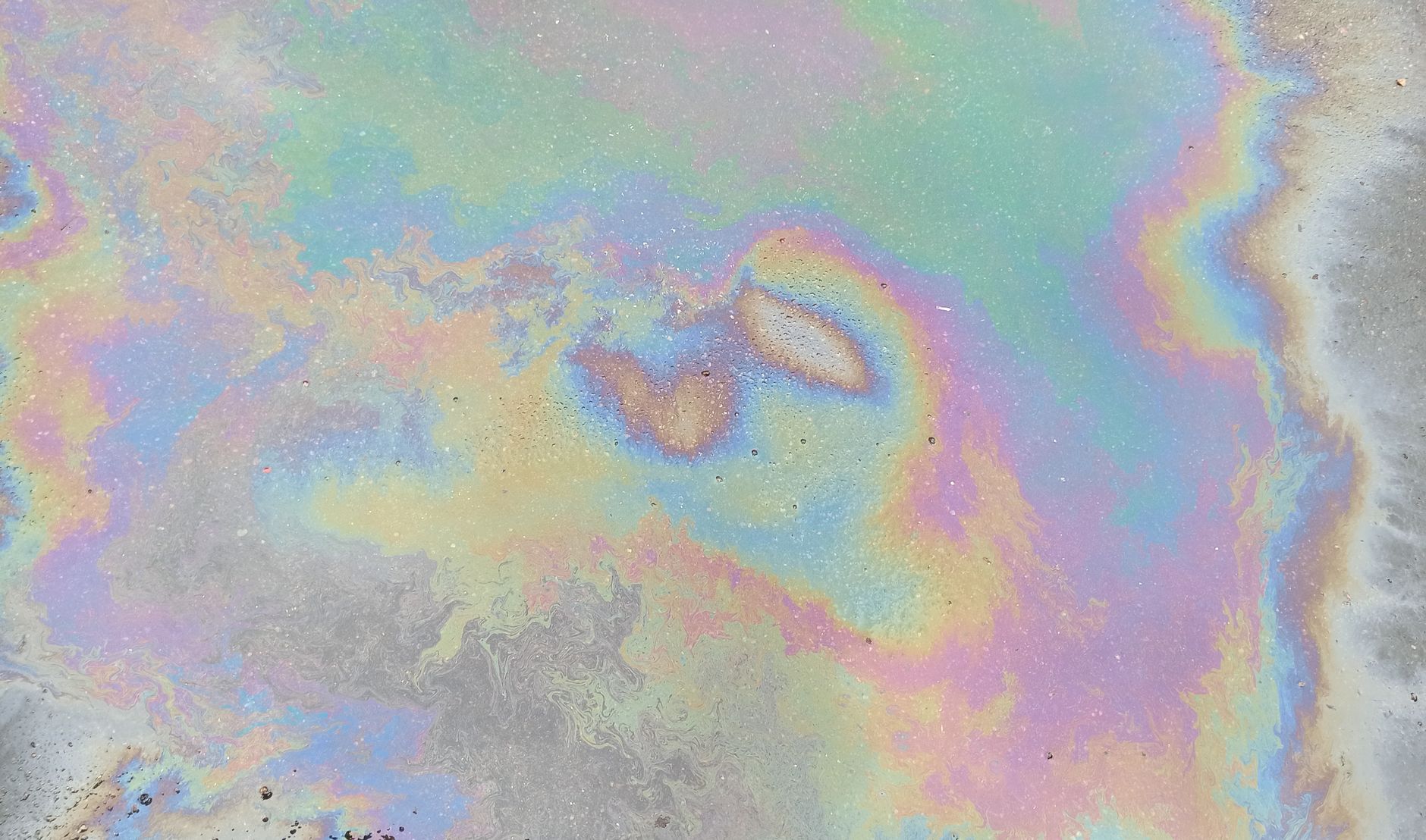
Satellite imagery from NASA and Brazil’s INPE shows a slick stretching over 60 kilometers within 24 hours. By July 21, the contaminated area had expanded to cover parts of the Anavilhanas Archipelago, a UNESCO World Heritage site.
Officials estimate that at least 30,000 people are directly affected, with drinking water sources tainted and fisheries devastated. The state government has distributed emergency water supplies and food rations to isolated communities.
Response and Containment Efforts
Petrobras deployed over 400 workers and specialized equipment, including floating barriers and skimmers, to contain the spill. The Brazilian Army and Navy have joined the operation, but progress is slow due to strong river currents and dense vegetation.
Environmental groups criticize the response as too slow and under-resourced. Greenpeace Brazil stated that initial containment booms were insufficient, allowing oil to reach protected wetlands and nesting sites for endangered species.
President Mariana Silva visited Manaus on July 22, pledging federal support and promising a full investigation. She acknowledged systemic failures in pipeline monitoring and maintenance, calling for stricter regulations and corporate accountability.
Ecological and Social Impact
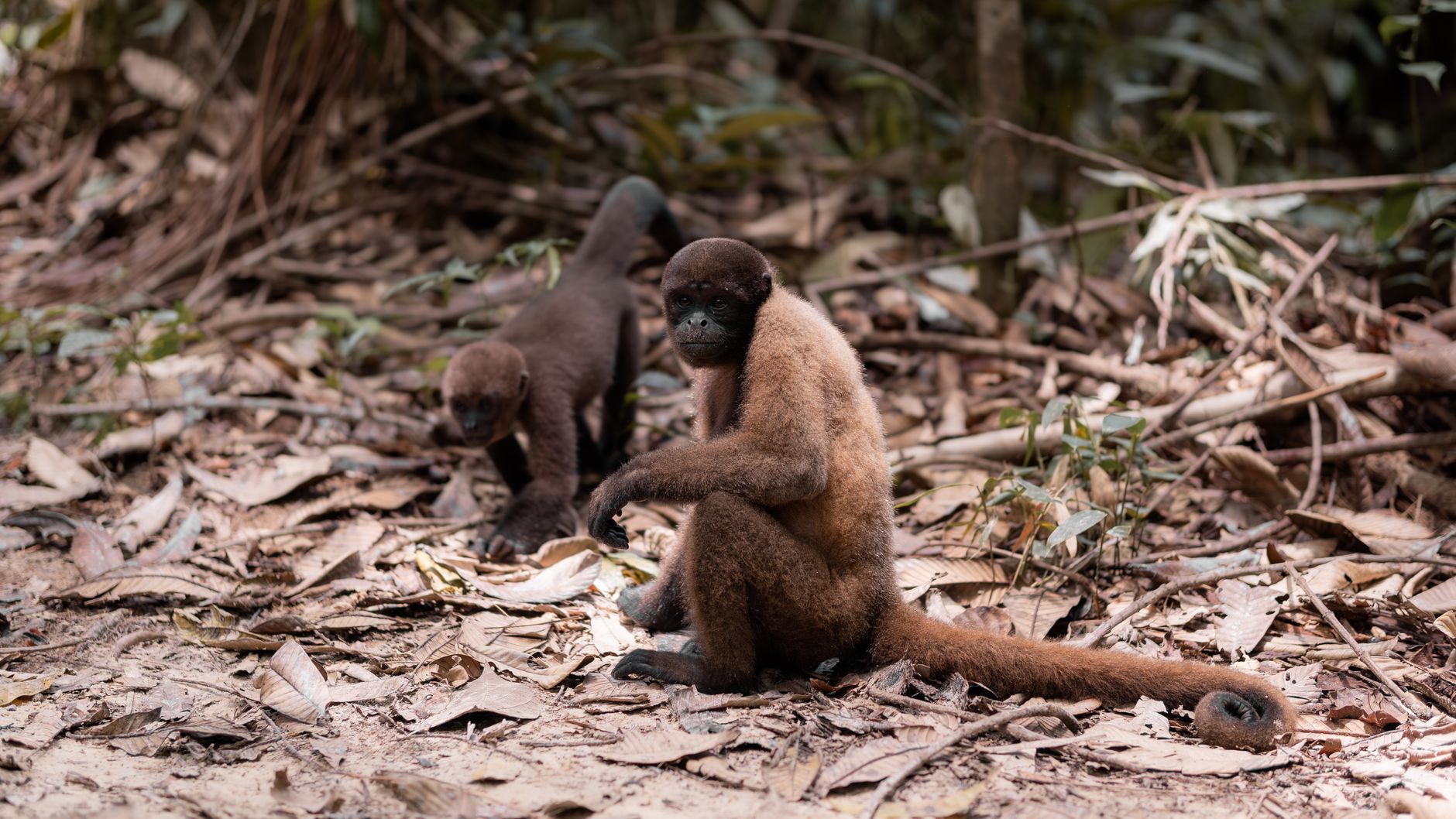
Biologists warn that the spill threatens rare Amazonian dolphins, giant river otters, and migratory birds. Early surveys by the Federal University of Amazonas report mass fish deaths and oil-coated riverbanks, raising fears of long-term ecosystem collapse.
Indigenous leaders say the disaster has disrupted traditional fishing and hunting, undermining food sovereignty. The Coordination of Indigenous Organizations of the Brazilian Amazon (COIAB) has demanded reparations and inclusion in cleanup planning.
Health officials are monitoring for outbreaks of waterborne diseases. The Ministry of Health has dispatched mobile clinics to affected villages, citing increased cases of skin rashes and gastrointestinal illness among children.
Lessons from Past Disasters
Analysts draw parallels with the 2019 oil spill along Brazil’s northeast coast, which took months to resolve and highlighted gaps in disaster preparedness. International experts stress the need for early warning systems, community training, and transparent reporting.
A 2025 UN Environment Programme report found that Amazon oil spills have lasting impacts on biodiversity and human health, with recovery often taking decades. The report urges investment in safer infrastructure and indigenous-led monitoring.
Policy Response and Global Implications
The Brazilian Congress is debating emergency legislation to tighten pipeline safety standards and increase penalties for environmental violations. Lawmakers are also considering compensation funds for affected communities.
International pressure is mounting. The European Union and United Nations have offered technical assistance, while environmental groups call for a moratorium on new oil projects in sensitive Amazonian regions.
Climate scientists warn that such disasters undermine global efforts to protect the Amazon as a carbon sink. Data from the World Resources Institute shows that deforestation and pollution are accelerating the region’s tipping point.
What’s Next: Recovery and Prevention
Cleanup operations are expected to last months, with full ecological recovery likely to take years. Authorities are prioritizing restoration of water quality and replanting of damaged riverbanks, in partnership with local communities.
Experts advocate for stronger environmental governance, community engagement, and investment in green technologies. Lessons from this disaster may shape future oil industry regulations and Amazon conservation strategies.
The Amazon oil spill stands as a stark warning of the risks facing one of Earth’s most vital ecosystems. Its aftermath will test Brazil’s resolve to balance energy development with environmental stewardship.
Sources
- Reuters
- Brazil Ministry of Environment
- WWF
- Greenpeace Brazil
- Instituto Socioambiental
- Federal University of Amazonas
- UN Environment Programme
- World Resources Institute
Sources: Information sourced from Reuters, Brazil’s Ministry of Environment, WWF, and UN Environment Programme reports.