
Coursera unveils AI-powered personalized learning paths, responding to soaring demand for online education. The move highlights evolving trends and challenges shaping digital learning in 2026.
Coursera, a leading online learning platform, announced the launch of its new AI-driven personalized learning paths on February 19, 2026, aiming to revolutionize digital education as global demand reaches record highs.
The rollout comes as online education platforms experience unprecedented growth, with millions of learners worldwide seeking flexible, skills-based training. Coursera's latest move leverages artificial intelligence to tailor course recommendations, pacing, and assessments to individual learners’ goals and backgrounds, according to a company press release.
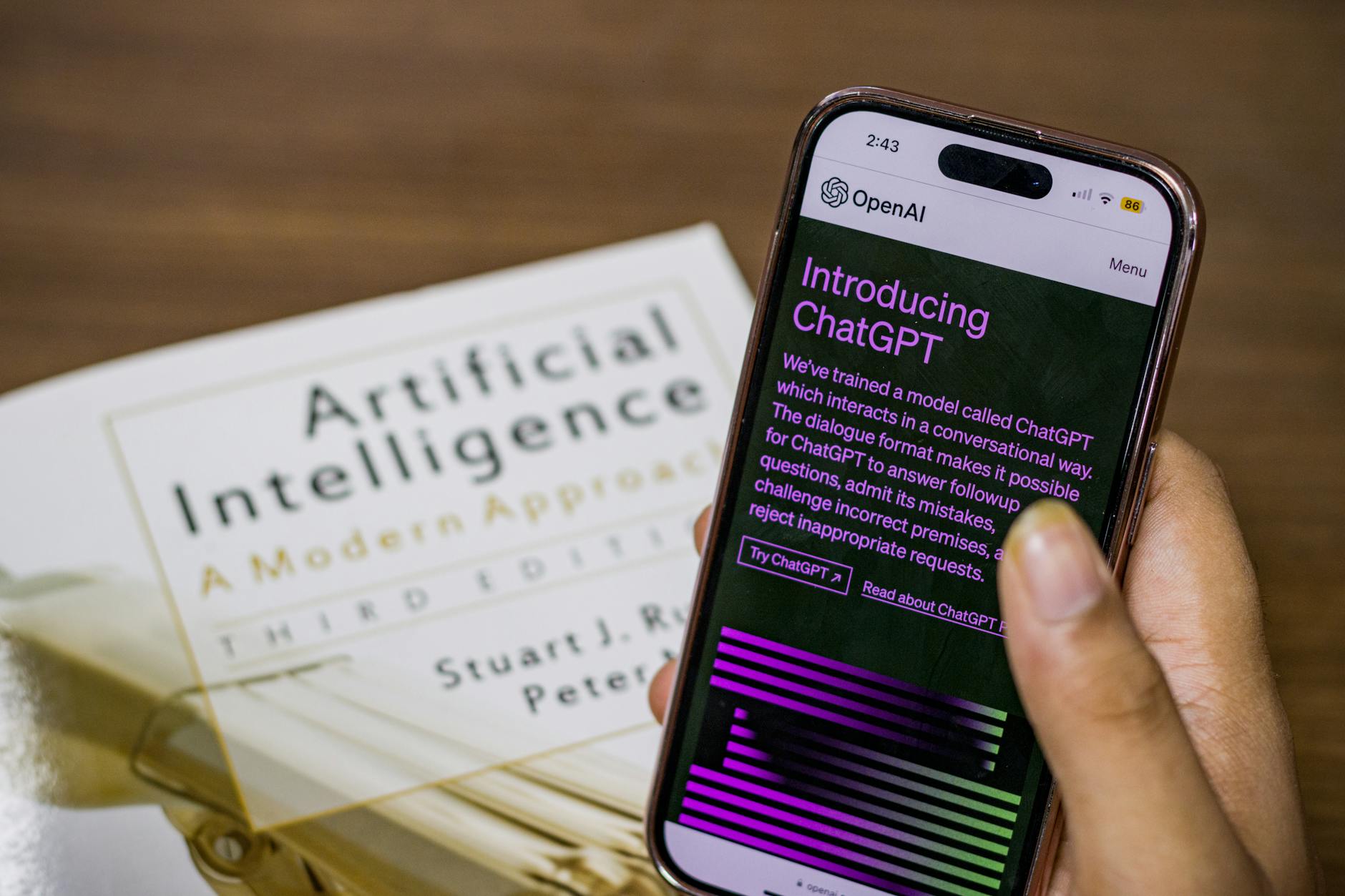
Coursera’s AI-powered initiative is designed to address the evolving needs of students and professionals navigating a rapidly changing job market. The platform’s new system analyzes user data, such as previous coursework, skill gaps, and career aspirations, to generate dynamic learning paths that adapt in real time.
Background: Online Learning's Rapid Expansion
The COVID-19 pandemic triggered a seismic shift in education, pushing institutions and learners online at an unprecedented rate. According to UNESCO, global enrollment in online courses doubled between 2020 and 2024. Platforms like Coursera, edX, and Udemy have reported record user numbers, with Coursera alone surpassing 150 million registered learners in late 2025.
This surge has been driven by the need for upskilling and reskilling in the face of automation and shifting workforce demands. The World Economic Forum’s 2025 Future of Jobs Report highlighted that 50% of all employees will need reskilling by 2027, further fueling demand for accessible, high-quality online education.
Key Details: How Coursera's AI Learning Paths Work
Coursera’s new AI system integrates machine learning algorithms with data from user profiles, course performance, and labor market trends. The system recommends a personalized sequence of courses, projects, and assessments, adjusting recommendations as learners progress or as their goals change.

The platform’s AI also factors in real-time labor market analytics, using data from LinkedIn and Burning Glass Technologies to prioritize in-demand skills. For example, a learner interested in data science may receive a customized path emphasizing generative AI, Python, and cloud computing, reflecting current employer needs.
Coursera’s CEO, Jeff Maggioncalda, stated in an interview with Reuters that the company’s goal is to "empower every learner with a roadmap tailored to their unique journey, making education more effective and relevant than ever before."
Collaboration with Universities and Industry Partners
The AI-driven learning paths are being rolled out in partnership with top universities and employers, including Stanford University, Google, and IBM. These partners contribute content and help align curricula with industry standards, ensuring learners gain skills recognized in the job market.
Coursera’s new system also integrates micro-credentials and professional certificates, allowing learners to showcase verified skills to potential employers. According to The Economic Times, the number of micro-credentials issued on Coursera increased by 70% in 2025.
Analysis: Opportunities and Challenges
Experts say AI-driven personalization could address key barriers in online learning, such as high dropout rates and lack of engagement. Data from the Online Learning Consortium shows that personalized learning pathways can increase course completion rates by up to 30%.
However, concerns remain about data privacy, algorithmic bias, and equitable access. The Electronic Frontier Foundation cautions that reliance on AI must be balanced with transparency and safeguards to protect learner data and ensure fair outcomes.
Global Impact and Accessibility

Coursera’s initiative arrives as governments and NGOs push for greater access to digital education. UNESCO’s 2026 Global Education Monitoring Report emphasizes the need for inclusive technologies to bridge the digital divide, particularly in low- and middle-income countries.
Coursera has announced plans to expand its AI-powered features to its Coursera for Government and Coursera for Refugees programs, aiming to reach underserved populations. The company is also collaborating with local partners to offer courses in multiple languages and adapt content to regional contexts.
What’s Next: The Future of Online Learning
Industry analysts predict that AI-driven personalization will become standard across major online learning platforms by 2027. EdX and Udemy have announced similar projects in development, signaling a competitive race to define the next era of digital education.
Coursera’s launch is expected to influence educational policy and employer training programs worldwide. As the demand for lifelong learning grows, platforms that offer adaptive, skills-based pathways are likely to shape the future of workforce development.
Sources
Information for this article was sourced from Reuters, The Economic Times, UNESCO, the World Economic Forum, the Online Learning Consortium, and the Electronic Frontier Foundation.
Sources: Information sourced from Reuters, The Economic Times, UNESCO, the World Economic Forum, the Online Learning Consortium, and the Electronic Frontier Foundation.