
Coursera unveils an AI-driven personalized learning platform, aiming to transform online education as global demand surges. Experts discuss its features, impact, and implications for the future.
Coursera announced the launch of its new AI-powered personalized learning platform on February 13, 2026, aiming to revolutionize online education as demand for flexible, adaptive learning surges worldwide, according to Reuters.
The unveiling took place at Coursera’s annual Global Education Summit, streamed live from San Francisco. The company’s CEO, Jeff Maggioncalda, emphasized the platform’s potential to “democratize access to tailored education,” addressing the needs of millions of diverse learners.

This move comes as online learning platforms experience record enrollment numbers. According to The Economic Times, Coursera’s user base surpassed 160 million in early 2026, reflecting a 22% year-over-year growth driven by increased demand for remote upskilling and reskilling.
Background: The Rise of Online Learning
The COVID-19 pandemic accelerated the adoption of online learning, with UNESCO reporting that over 1.5 billion students were affected by school closures in 2020. Since then, platforms like Coursera, edX, and Udemy have expanded rapidly, offering courses from top universities and industry leaders.
In 2025, the global e-learning market reached $375 billion, according to HolonIQ. Analysts predict continued double-digit growth as organizations and individuals seek flexible, cost-effective education solutions.
Key Features of Coursera’s AI Platform
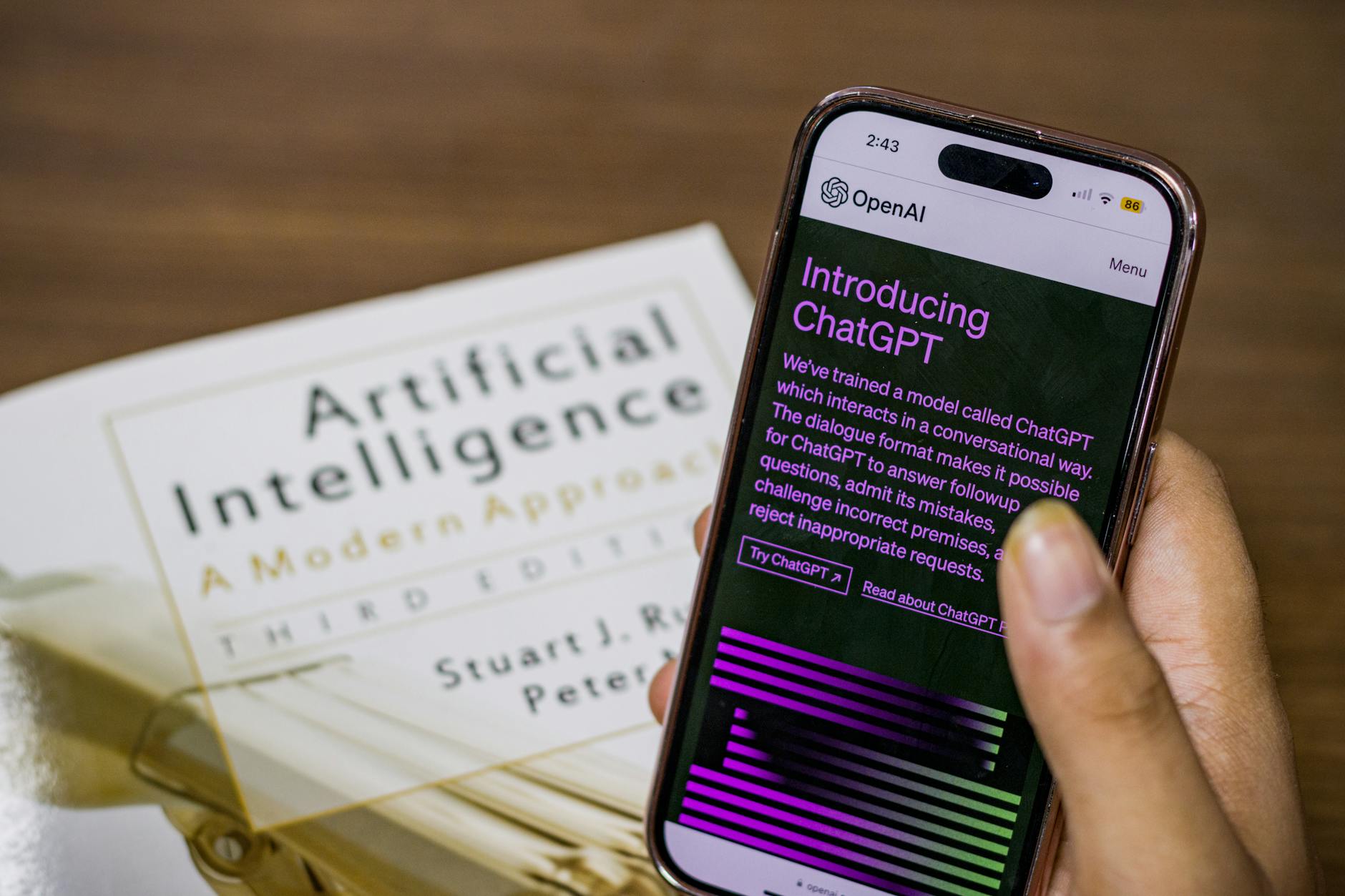
Coursera’s new platform leverages generative AI to analyze learner data, recommend personalized course pathways, and adapt content in real time. The system uses natural language processing to assess student progress and provide instant feedback, as detailed in a company press release.
A standout feature is the AI Tutor, which offers 24/7 support, answering questions, clarifying concepts, and suggesting supplementary resources. The platform also integrates with employers’ learning management systems, enabling tailored upskilling for corporate teams.
Coursera collaborated with leading universities, including Stanford and the University of London, to develop adaptive course modules. These modules adjust difficulty and content based on individual performance, aiming to boost completion rates and learner satisfaction.
Data Privacy and Ethical Considerations
The rollout has sparked debate over data privacy. Coursera states that all learner data is encrypted and anonymized, complying with GDPR and other international standards. However, privacy advocates urge ongoing scrutiny as AI-driven education expands, according to The New York Times.
The company has formed an independent ethics board to oversee algorithmic fairness and transparency. Coursera’s Chief Technology Officer, Shravan Goli, said, “We’re committed to responsible AI that prioritizes learner trust and equity.”
Expert Analysis: Opportunities and Challenges
Education experts praise the platform’s potential to close achievement gaps. Dr. Lisa Park, a digital learning researcher at MIT, told The Economic Times, “Personalized pathways can help non-traditional learners succeed where one-size-fits-all models fall short.”
However, some educators warn of over-reliance on AI. “Human mentorship remains crucial, especially for complex problem-solving and emotional support,” said Professor Rajiv Menon of Delhi University, speaking to Reuters.
Employers have expressed enthusiasm for the platform’s corporate integration features. A recent survey by LinkedIn Learning found that 68% of HR leaders plan to increase investment in AI-powered upskilling tools in 2026.
Impact on Learners and the Education Sector

Early pilot programs report promising results. According to Coursera, learners using the AI platform completed courses 30% faster and achieved 15% higher assessment scores compared to traditional online modules.
The platform’s launch is expected to intensify competition among edtech firms. Rival platforms like edX and Udemy are reportedly developing similar AI-driven features, signaling a new era of adaptive, learner-centric online education.
What’s Next for Online Learning?
Coursera plans to expand its AI platform to K-12 and vocational training sectors by late 2026. The company is also exploring partnerships with governments to support large-scale workforce development initiatives.
Analysts predict that AI-powered personalization will become the standard in online education within the next three years. As demand continues to climb, platforms that balance innovation with ethical safeguards are likely to lead the market.
Sources: Reuters, The Economic Times, UNESCO, HolonIQ, The New York Times, Coursera press releases, LinkedIn Learning, MIT.
Sources: Information sourced from Reuters, The Economic Times, UNESCO, HolonIQ, The New York Times, and official Coursera press releases.