
Coursera unveils AI-driven personalization tools to enhance user experience, addressing the record surge in global online learning enrollment and reshaping digital education trends in 2026.
Coursera, a leading global online learning platform, announced on February 15, 2026, the rollout of advanced AI-powered personalization features to meet the demands of record-breaking user enrollment worldwide.
The announcement comes as online education platforms experience unprecedented growth in 2026, with Coursera reporting a 35% year-over-year increase in active learners, according to company data. The surge is attributed to ongoing shifts in workforce demands and the increasing adoption of remote learning models.
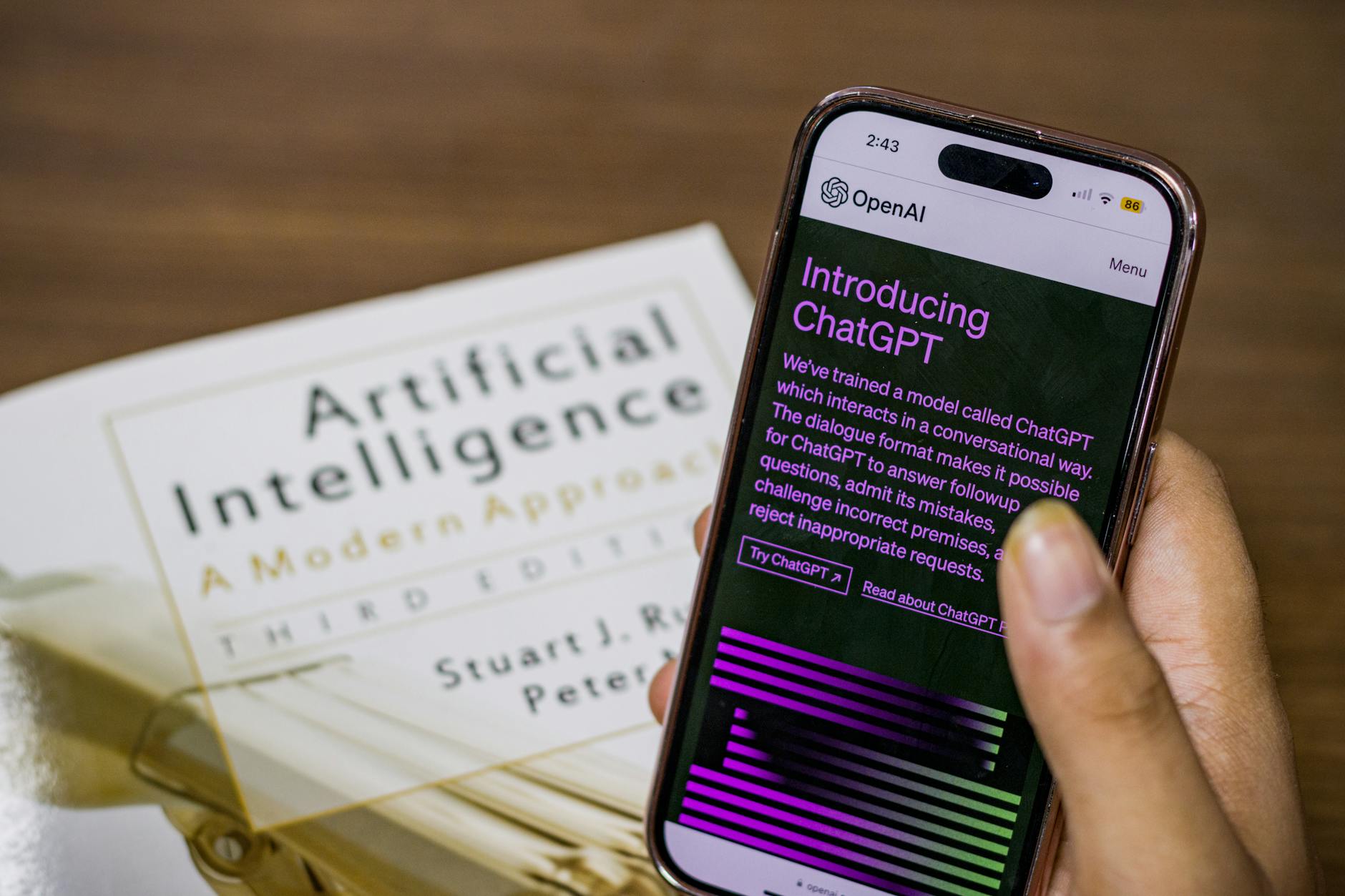
AI Personalization: The Next Phase in Online Learning
Coursera's new AI-driven system leverages machine learning algorithms to recommend courses, adapt content pacing, and provide real-time feedback tailored to individual learning styles. The company claims these tools will improve completion rates and learner satisfaction, as reported in their official press release.The platform's AI analyzes user behavior, quiz performance, and engagement patterns to dynamically adjust course recommendations. For example, a learner struggling with programming fundamentals may receive targeted micro-lessons and additional practice quizzes, according to Coursera's Chief Product Officer, Shravan Goli.
Global Enrollment Boom Fuels Innovation
Coursera's user base now exceeds 150 million worldwide, with significant growth in India, Brazil, and Southeast Asia, according to The Economic Times. The platform has also seen a 50% increase in corporate and government partnerships over the past year.The COVID-19 pandemic initially accelerated digital learning adoption, but the trend has persisted as employers prioritize upskilling. Data from HolonIQ shows that global edtech investments reached $30 billion in 2025, with personalization technologies attracting the most funding.

How AI Personalization Works
The new features include adaptive learning paths, automated progress tracking, and AI chatbots for instant support. Coursera's system uses natural language processing to analyze forum posts, offering personalized feedback and flagging knowledge gaps in real time.Learners can opt into 'Smart Pathways,' which adjust course difficulty based on ongoing performance. Early pilot results, shared in Coursera's January 2026 report, show a 17% improvement in course completion rates among users utilizing AI personalization.
Privacy and Ethical Considerations
With increased data collection, privacy advocates have raised concerns about user profiling. Coursera states that all AI features comply with GDPR and other international data protection standards, and users can control data sharing through enhanced privacy settings.The company has partnered with the World Economic Forum to develop transparent AI guidelines for education technology. According to a WEF spokesperson, these guidelines aim to balance innovation with ethical data use and learner autonomy.
Competition Intensifies Among Edtech Giants
Coursera's move follows similar AI rollouts by rivals like edX and Udemy, both of which launched adaptive learning features in late 2025. According to Reuters, the global online learning market is projected to reach $500 billion by 2027, with AI-driven platforms leading growth.Analysts at Morgan Stanley note that platforms offering personalized experiences are seeing higher retention and engagement rates. Coursera's latest update positions it as a frontrunner in the increasingly competitive edtech landscape.
Impact on Learners and Educators
Educators are adapting to new roles as facilitators and content curators, relying on AI analytics to identify at-risk students and tailor support. A recent survey by the Online Learning Consortium found that 68% of instructors believe AI tools have improved student outcomes.Learners, meanwhile, report greater satisfaction and flexibility. "The AI recommendations helped me focus on my weak areas," said Priya Sharma, a Coursera user from Mumbai, in an interview with The Economic Times. "I finished my data science specialization faster than expected."

Challenges and Limitations
Despite the promise of AI personalization, challenges remain. Digital equity advocates warn that access to high-speed internet and devices is still uneven globally. UNESCO estimates that 37% of the world's population remains offline, limiting the reach of advanced online learning tools.Additionally, some educators express concern about over-reliance on algorithms. "AI should support, not replace, human judgment in education," said Dr. Lina Wang, an education technology researcher at Stanford University, in a recent panel discussion.
What’s Next for Online Learning Platforms?
Coursera plans to expand its AI features to include immersive VR-based simulations and multilingual support by late 2026. The company is also piloting partnerships with universities to integrate AI-driven tools into traditional degree programs.Industry experts predict that the next phase of online learning will focus on hybrid models, blending AI-powered online modules with in-person mentorship. According to HolonIQ, hybrid learning is expected to account for 40% of global higher education by 2028.
Sources
Information in this article was sourced from Coursera press releases, The Economic Times, Reuters, HolonIQ, UNESCO, the World Economic Forum, the Online Learning Consortium, and Stanford University research.Sources: Information sourced from Coursera, The Economic Times, Reuters, HolonIQ, UNESCO, the World Economic Forum, the Online Learning Consortium, and Stanford University research.