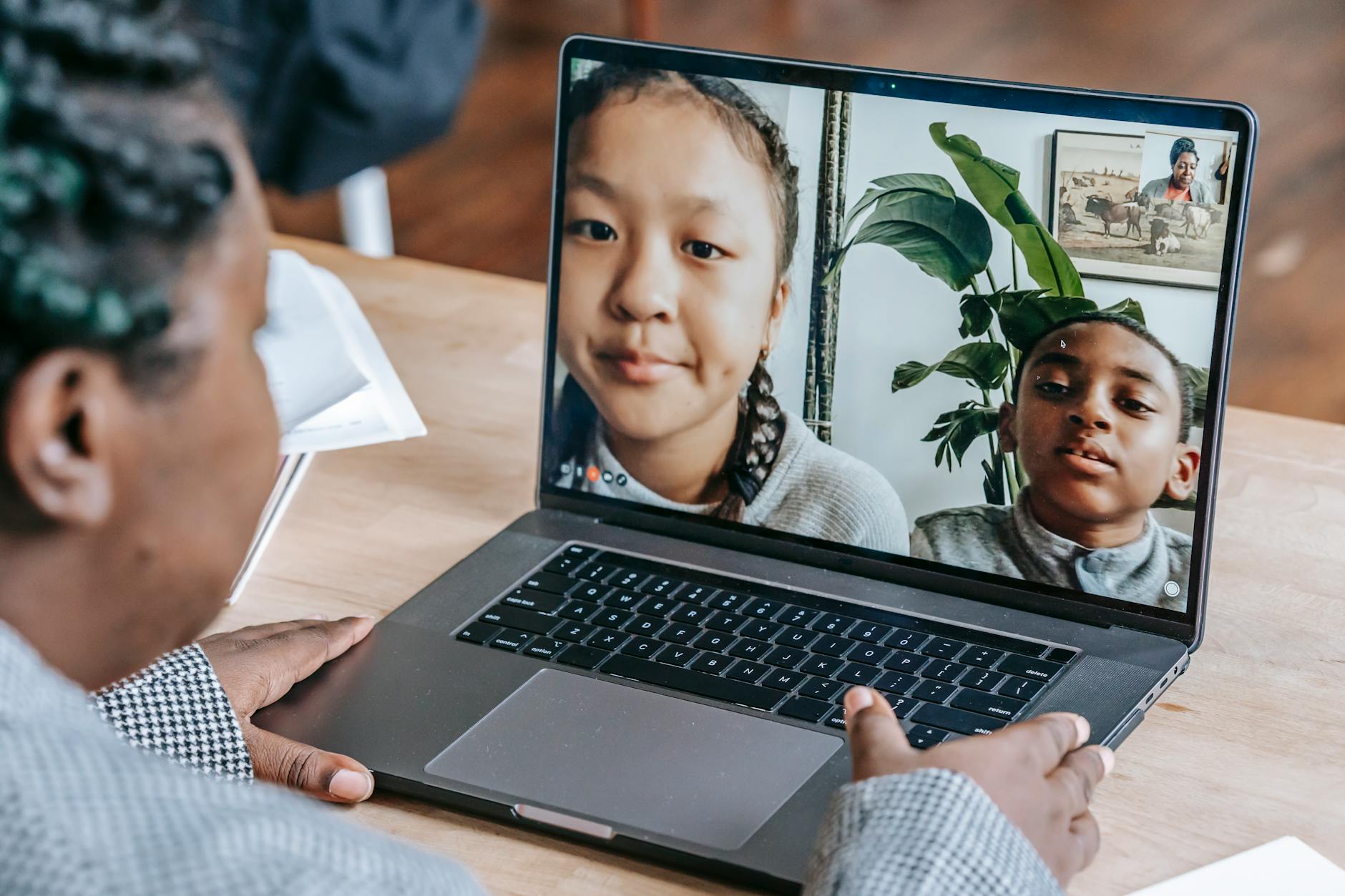
Coursera and UNESCO have announced a major partnership to provide free online courses to learners in conflict and disaster-affected regions, aiming to bridge the global education gap.
Coursera and UNESCO have launched a groundbreaking initiative on July 21, 2026, to provide free online courses for millions in crisis-affected regions, aiming to address urgent educational disruptions worldwide.
The announcement came during the UNESCO Global Education Summit in Paris, where Coursera CEO Jeff Maggioncalda and UNESCO Director-General Audrey Azoulay detailed the plan to offer high-quality digital learning to refugees, displaced persons, and communities hit by conflict or natural disasters.
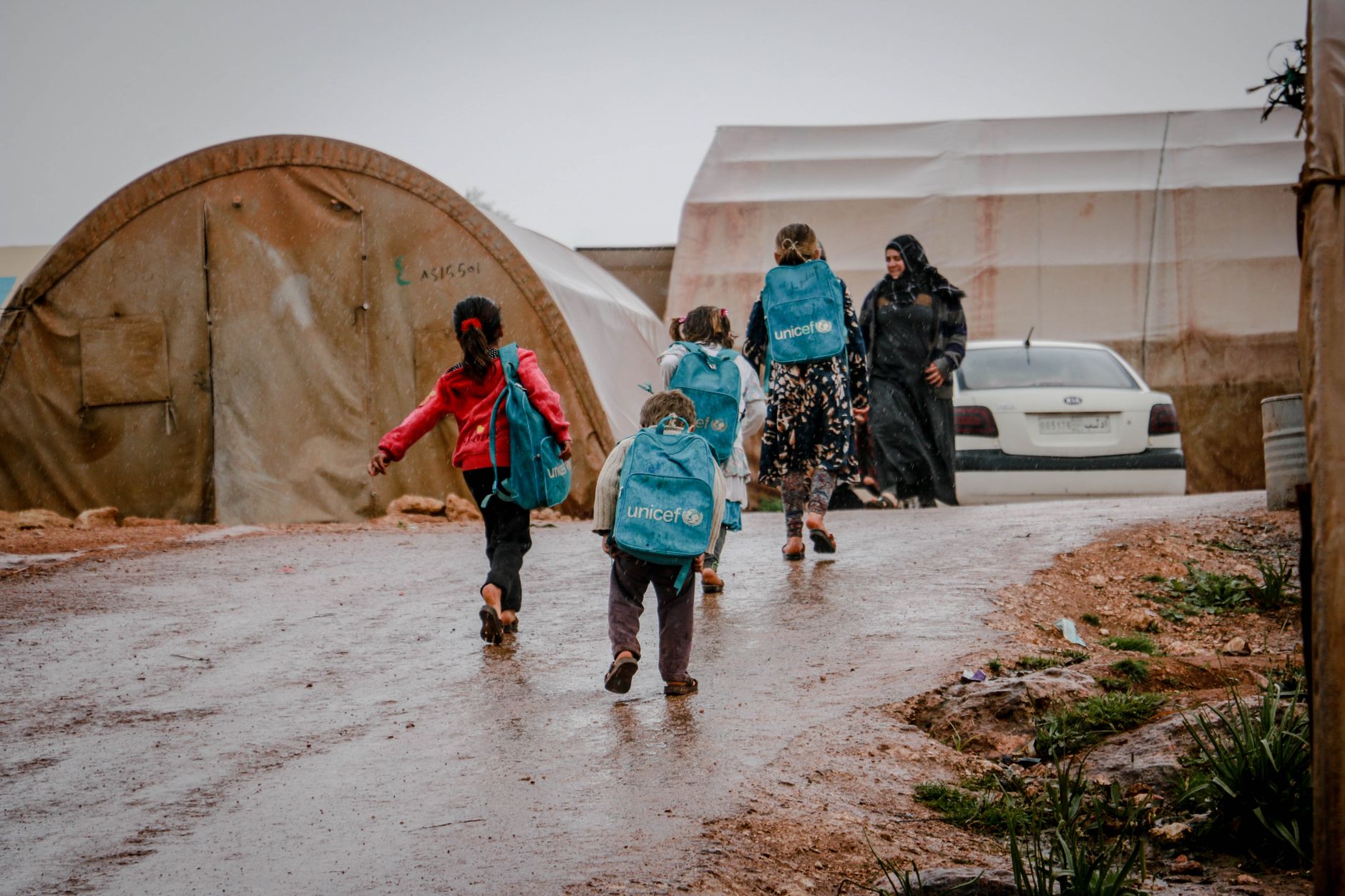
This initiative responds to the growing global education crisis. According to UNESCO's 2026 report, over 222 million children and youth are affected by emergencies, with 78 million out of school due to war, climate disasters, or displacement.
Background: Online Learning in Humanitarian Contexts
Online learning platforms have played a pivotal role in education access since the COVID-19 pandemic. However, their reach in crisis zones has been limited by infrastructure, language, and policy barriers, as noted by The Brookings Institution.
UNESCO has previously piloted digital classrooms in refugee camps in Jordan and Bangladesh, but scaling up has been challenging. The new partnership with Coursera, a platform with over 150 million users globally, marks the largest coordinated effort to date.
Key Details of the Coursera-UNESCO Partnership

Starting August 2026, Coursera will provide free access to over 7,000 courses and professional certificates in multiple languages, including Arabic, French, Spanish, and Swahili. Priority will be given to learners in Syria, Sudan, Ukraine, Afghanistan, and the Horn of Africa.
UNESCO will coordinate with local NGOs, governments, and internet providers to distribute devices and facilitate internet access. According to The Economic Times, the program will initially target 2 million learners, expanding to 10 million by 2028.
Courses will focus on digital literacy, entrepreneurship, healthcare, and teacher training—fields identified as urgent by UNICEF and the World Bank for rebuilding communities and livelihoods.
Technological Innovations and Accessibility
To overcome connectivity challenges, Coursera is deploying offline learning solutions and lightweight mobile apps. AI-powered translation and adaptive learning tools will help bridge language and literacy gaps, as reported by EdSurge.
Coursera’s new partnership with telecoms in Africa and the Middle East will provide zero-rated data for educational content, reducing costs for learners. UNESCO will also support digital literacy training for local facilitators.
Analysis: Addressing the Digital Divide
Experts say the initiative could be a game-changer for crisis education. Dr. Hanan Al Hroub, a UNESCO education consultant, notes that “digital learning is the only viable option for millions, but only if it is truly accessible and relevant.”
However, challenges remain. According to a 2025 World Bank study, only 37% of refugees have reliable internet access, and gender disparities persist in digital education uptake. The partnership aims to address these gaps through targeted outreach.
Global Impact and Local Partnerships
Local NGOs such as Save the Children and the International Rescue Committee will play a key role in implementation. They will help enroll learners, distribute devices, and provide on-the-ground support, according to Reuters.

Early pilot programs in Lebanon and Kenya have shown promising results. In 2025, a Coursera-UNESCO pilot saw a 65% course completion rate among Syrian refugees, compared to the global average of 40% for online courses.
What’s Next: Scaling and Sustainability
The partnership will be evaluated annually, with plans to expand to more countries and add vocational training. UNESCO is seeking further collaboration with tech firms to enhance platform accessibility and content localization.
Coursera and UNESCO have called for more donors and private sector partners to support the initiative, emphasizing that digital education is critical for achieving Sustainable Development Goal 4: Quality Education for All.
If successful, the initiative could serve as a blueprint for future public-private partnerships in education, especially in regions facing protracted crises.
Sources
Information for this article was sourced from UNESCO, Coursera press releases, Reuters, The Economic Times, World Bank reports, EdSurge, The Brookings Institution, and UNICEF data.
Sources: Information sourced from UNESCO, Coursera press releases, Reuters, The Economic Times, World Bank reports, EdSurge, The Brookings Institution, and UNICEF data.