
Coursera launches AI-driven personalized learning paths, reshaping online education. The move signals a major shift in digital learning, with experts weighing its impact on students and educators worldwide.
Coursera, a global leader in online education, announced on July 21, 2026, the launch of its new AI-powered personalized learning paths, aiming to revolutionize how millions of students engage with digital courses worldwide, according to Reuters.
The new feature, dubbed 'SmartPath,' uses advanced artificial intelligence to tailor course recommendations, study schedules, and assessment feedback to each learner's goals and progress. Coursera's move comes amid growing demand for adaptive online education, as reported by The Economic Times.
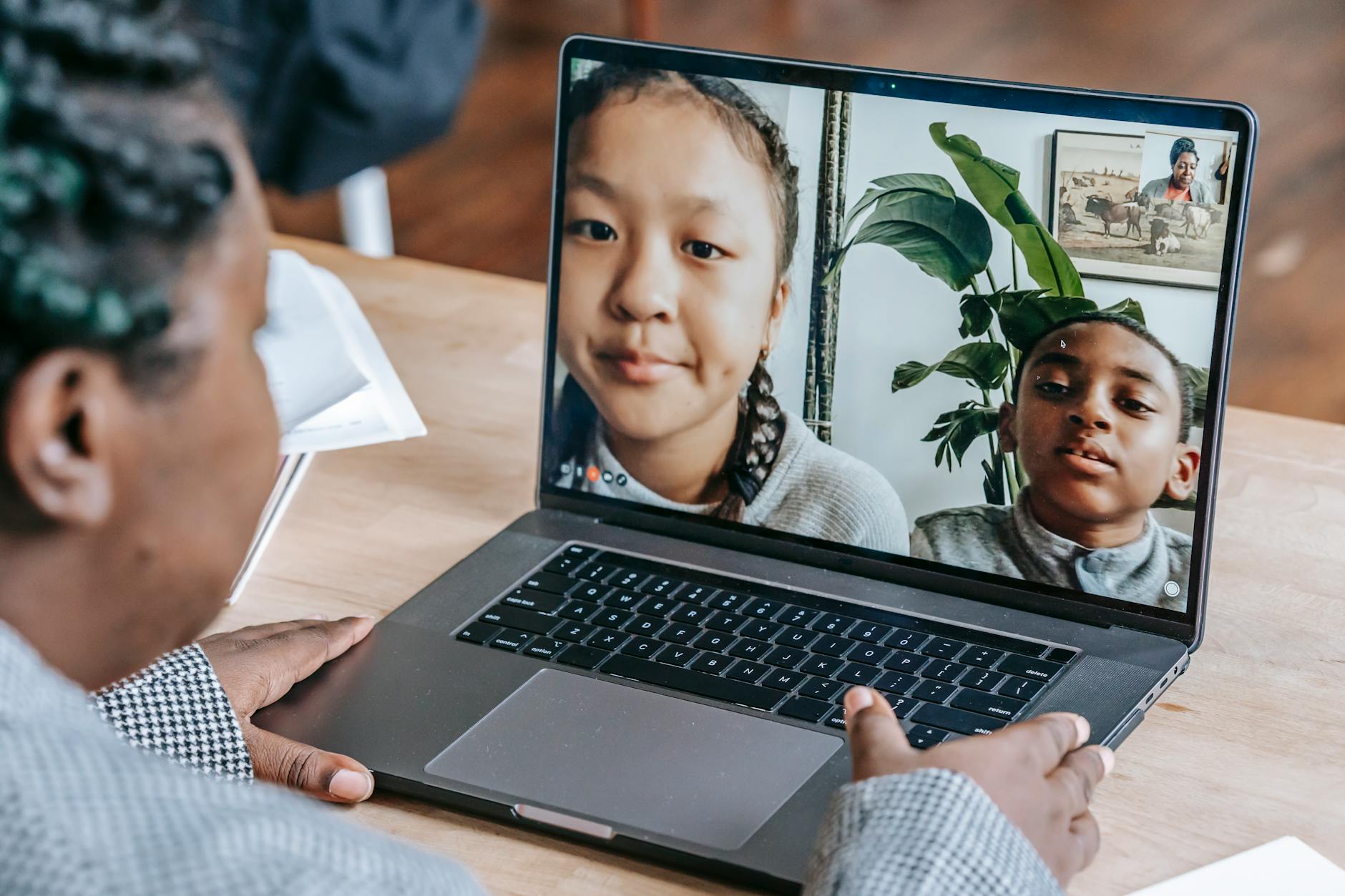
Background: The Rise of Personalized Online Learning
Online education has seen explosive growth since 2020, with platforms like Coursera, edX, and Udemy enrolling over 220 million learners globally, according to Class Central's 2025 report. The COVID-19 pandemic accelerated digital adoption, but recent years have focused on improving engagement and outcomes.Traditional online courses often struggled with high dropout rates, sometimes exceeding 85%, as noted by the World Economic Forum. Experts have long argued that one-size-fits-all content fails to address diverse learner needs, prompting calls for more adaptive solutions.
How Coursera's SmartPath Works
SmartPath leverages large language models and learner analytics to create dynamic learning journeys. The system analyzes students' backgrounds, career aspirations, learning pace, and even engagement patterns to suggest optimal course sequences and resources.For example, a student aiming for a data science career might receive a customized path blending foundational math, programming, and industry-specific projects. The AI adapts the plan in real time, offering targeted quizzes, video summaries, and peer discussion prompts, according to Coursera's official press release.
Industry Response and Expert Opinions
The launch has drawn praise from education technologists and university partners. Dr. Linda Zhao, an edtech researcher at Stanford University, told The Economic Times that "AI-driven personalization could be the key to reducing dropout rates and improving learning outcomes at scale."However, some educators caution about over-reliance on algorithms. "Human mentorship and social learning remain vital," said Prof. Rajiv Menon of the University of Delhi, as quoted by The Times of India. "AI should augment, not replace, the educator's role."

Global Reach and Accessibility
Coursera reports that SmartPath will be available to all users, including those accessing free courses. The company estimates that over 40 million students in developing countries could benefit from tailored learning, potentially bridging digital divides, according to a statement to Reuters.The World Bank's 2025 report highlighted that online education remains a lifeline for learners in regions with limited access to traditional universities. AI-driven personalization could further democratize quality education, experts suggest.
Challenges: Data Privacy and Algorithmic Bias
Despite the promise, concerns remain about data privacy and algorithmic fairness. Coursera states it complies with GDPR and other regulations, but advocacy groups urge transparency in how learner data is used and how algorithms make decisions."Bias in AI could inadvertently disadvantage certain groups," warned Dr. Anjali Rao, a digital rights advocate, in an interview with The Guardian. She called for regular audits and user controls over data sharing.
Impact on the Online Learning Landscape
Coursera's innovation is expected to pressure competitors like edX and Udemy to accelerate their own AI initiatives. According to EdSurge, several platforms are piloting similar adaptive learning features, signaling a broader industry shift.Universities partnering with Coursera may also benefit, as personalized pathways could increase enrollment and completion rates for their online degree programs. Early pilot tests at the University of Michigan showed a 20% boost in course completion, Coursera claims.

Student Experiences and Early Results
Beta testers report positive experiences. Priya Singh, a Mumbai-based learner, told The Economic Times, "The AI suggested courses I hadn't considered and kept me motivated with weekly progress reports."Still, some students note that automated feedback can feel impersonal. "Sometimes I miss the human touch," said James Liu, a computer science student in Singapore, as quoted by EdSurge.
What’s Next for Online Learning Platforms?
Analysts predict that AI-driven personalization will become standard across major platforms by 2027. Coursera plans to expand SmartPath to professional certificates and degree programs, and is exploring partnerships with employers for workforce upskilling, according to its CEO.Edtech investors are watching closely. According to Crunchbase, funding for AI-enabled learning startups reached $4.2 billion in the first half of 2026, reflecting strong market confidence in the trend.
As online education evolves, balancing technological innovation with human connection and ethical safeguards will remain crucial, experts say. The coming months will reveal how learners, educators, and institutions adapt to this new era of personalized digital learning.
Sources
Information in this article was sourced from Reuters, The Economic Times, The Times of India, EdSurge, World Economic Forum, Class Central, The Guardian, The World Bank, and Crunchbase.Sources: Information sourced from Reuters, The Economic Times, The Times of India, EdSurge, World Economic Forum, and other reputable education and technology outlets.