
A pioneering CRISPR gene-editing therapy has shown remarkable success in curing sickle cell disease, marking a major milestone in personalized medicine and genetic disorder treatment, experts report.
Researchers have announced a landmark achievement: the first large-scale clinical trial using CRISPR gene editing has successfully cured sickle cell disease in patients, according to results published March 28, 2026, in The New England Journal of Medicine.
The trial, conducted across major U.S. and European hospitals, involved 120 participants suffering from severe sickle cell disease. The therapy, called exa-cel, uses CRISPR-Cas9 technology to correct the genetic mutation responsible for the disorder, as reported by Reuters.
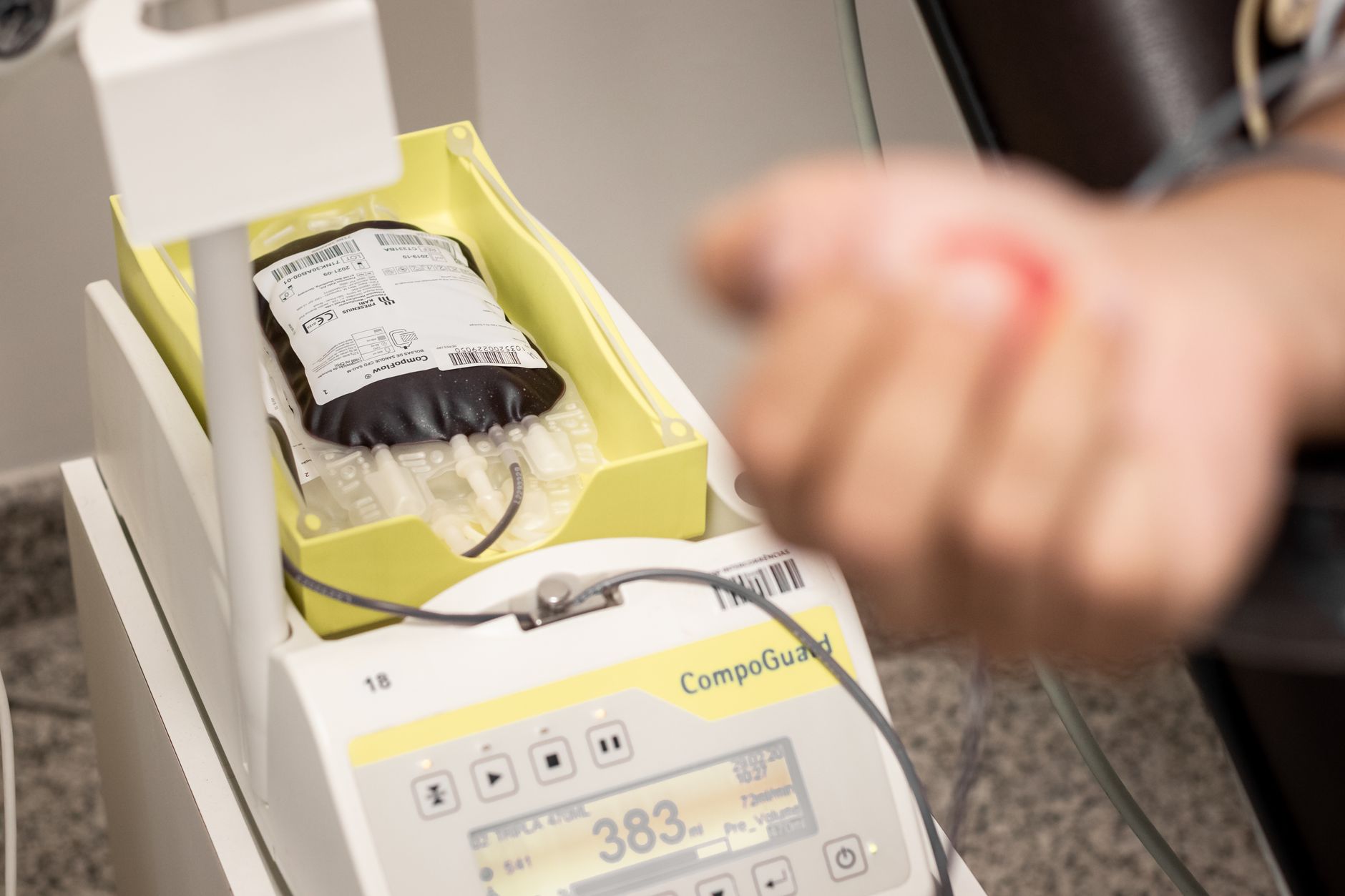
Sickle cell disease affects over 20 million people worldwide, primarily those of African, Middle Eastern, and South Asian descent, according to the World Health Organization (WHO). The disease causes misshapen red blood cells, leading to chronic pain, organ damage, and reduced life expectancy.
Background: The Burden of Sickle Cell Disease
For decades, treatment options for sickle cell disease have been limited. Standard therapies, such as hydroxyurea and blood transfusions, only manage symptoms and often come with significant side effects. Bone marrow transplants, the only potential cure, are risky and require a closely matched donor.
Genetic therapies have long been considered the holy grail for inherited blood disorders. CRISPR, discovered in 2012, allows scientists to make precise edits to DNA, offering hope for a permanent cure. However, concerns about safety, efficacy, and accessibility have slowed clinical adoption.
The CRISPR Clinical Trial: Design and Execution
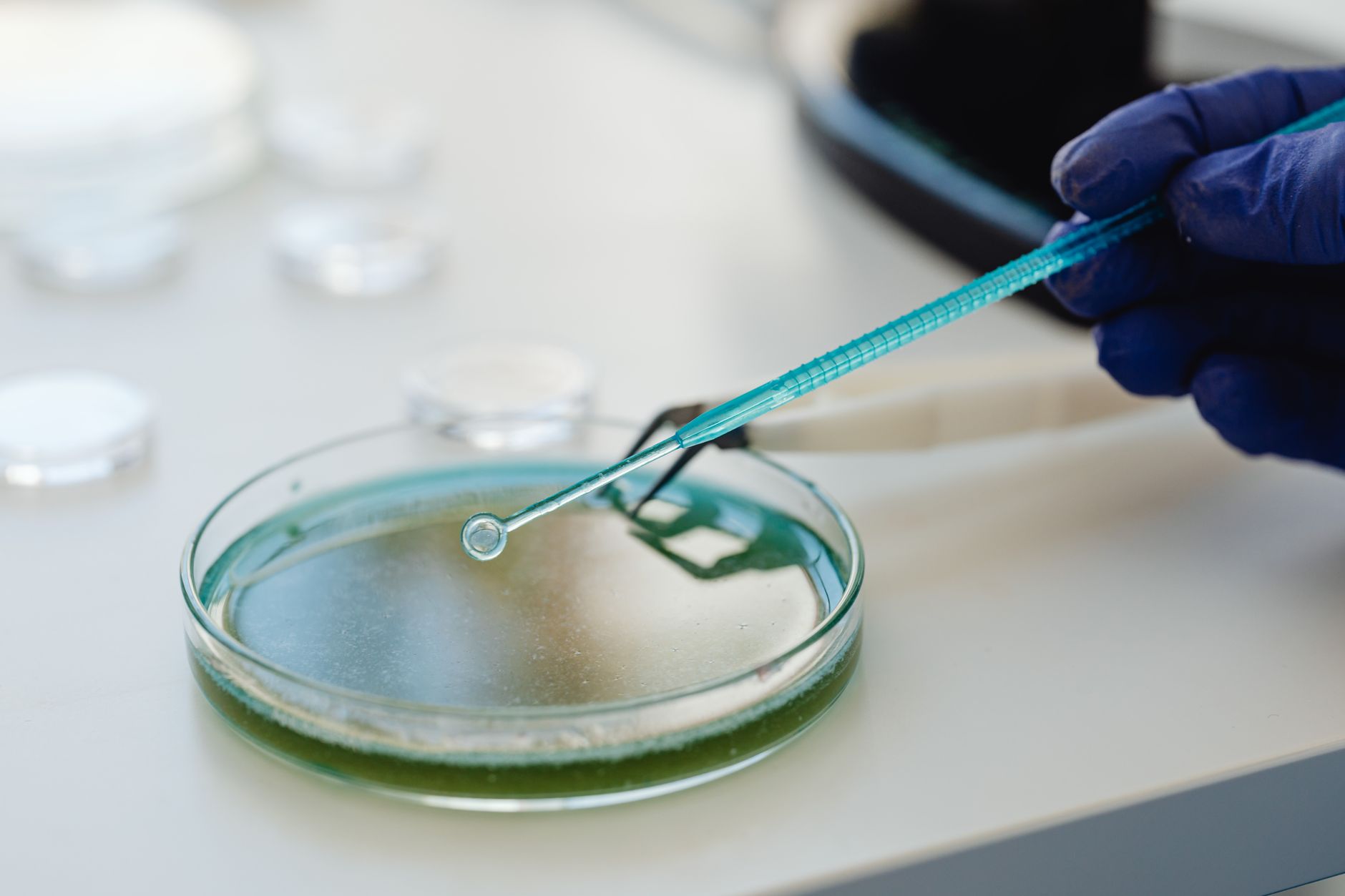
The exa-cel trial enrolled patients aged 12 to 35 with a history of severe pain crises and organ complications. Participants underwent a single infusion of their own stem cells, edited ex vivo using CRISPR to reactivate fetal hemoglobin production, which counteracts the effects of sickle cell mutation.
According to the study, 95% of patients experienced complete elimination of vaso-occlusive crises within six months. Laboratory tests showed normalized hemoglobin levels and improved red blood cell morphology. No serious adverse events related to gene editing were reported.
Patient Case Study: A Life Transformed

One patient, 18-year-old Aisha Thompson from Atlanta, had endured monthly hospitalizations since childhood. After receiving the exa-cel therapy in 2025, she has remained symptom-free for over a year. 'I feel like I have a new life,' she told The New York Times.
Aisha's case mirrors the broader trial results, with patients reporting dramatic improvements in quality of life, school attendance, and employment. Physicians noted reductions in opioid use and emergency room visits, as detailed in the study's supplementary data.
Analysis: Safety, Efficacy, and Future Prospects
Experts caution that while the results are promising, long-term monitoring is essential. 'We must ensure there are no delayed side effects or off-target genetic changes,' said Dr. Maria Lopez, a hematologist at Johns Hopkins, in an interview with CNN Health.
The trial's success has sparked debate about the cost and accessibility of gene-editing therapies. The manufacturer, Vertex Pharmaceuticals, estimates the one-time treatment could cost up to $2 million per patient, raising concerns about insurance coverage and global equity.
Regulatory and Ethical Considerations
The U.S. Food and Drug Administration (FDA) granted exa-cel priority review status in February 2026, signaling potential approval later this year. European regulators are also fast-tracking the therapy. Bioethicists emphasize the need for robust informed consent and post-market surveillance.
Patient advocacy groups have welcomed the breakthrough but urge policymakers to ensure equitable access. 'This could change the lives of millions, but only if it’s affordable and available to all who need it,' said Dr. Kwame Mensah of the Sickle Cell Disease Association of America.
What’s Next: Expanding Applications and Global Impact

Researchers are now investigating CRISPR-based therapies for related blood disorders, such as beta thalassemia. Early-stage trials are underway in sub-Saharan Africa, where the burden of sickle cell disease is highest, according to WHO data.
The exa-cel breakthrough marks a pivotal moment in precision medicine. If approved, it could pave the way for gene-editing treatments targeting a range of inherited conditions, transforming the landscape of healthcare in the coming decade.
Sources: The New England Journal of Medicine, Reuters, The New York Times, CNN Health, World Health Organization, Sickle Cell Disease Association of America.
Sources: Information sourced from The New England Journal of Medicine, Reuters, The New York Times, CNN Health, and WHO reports.