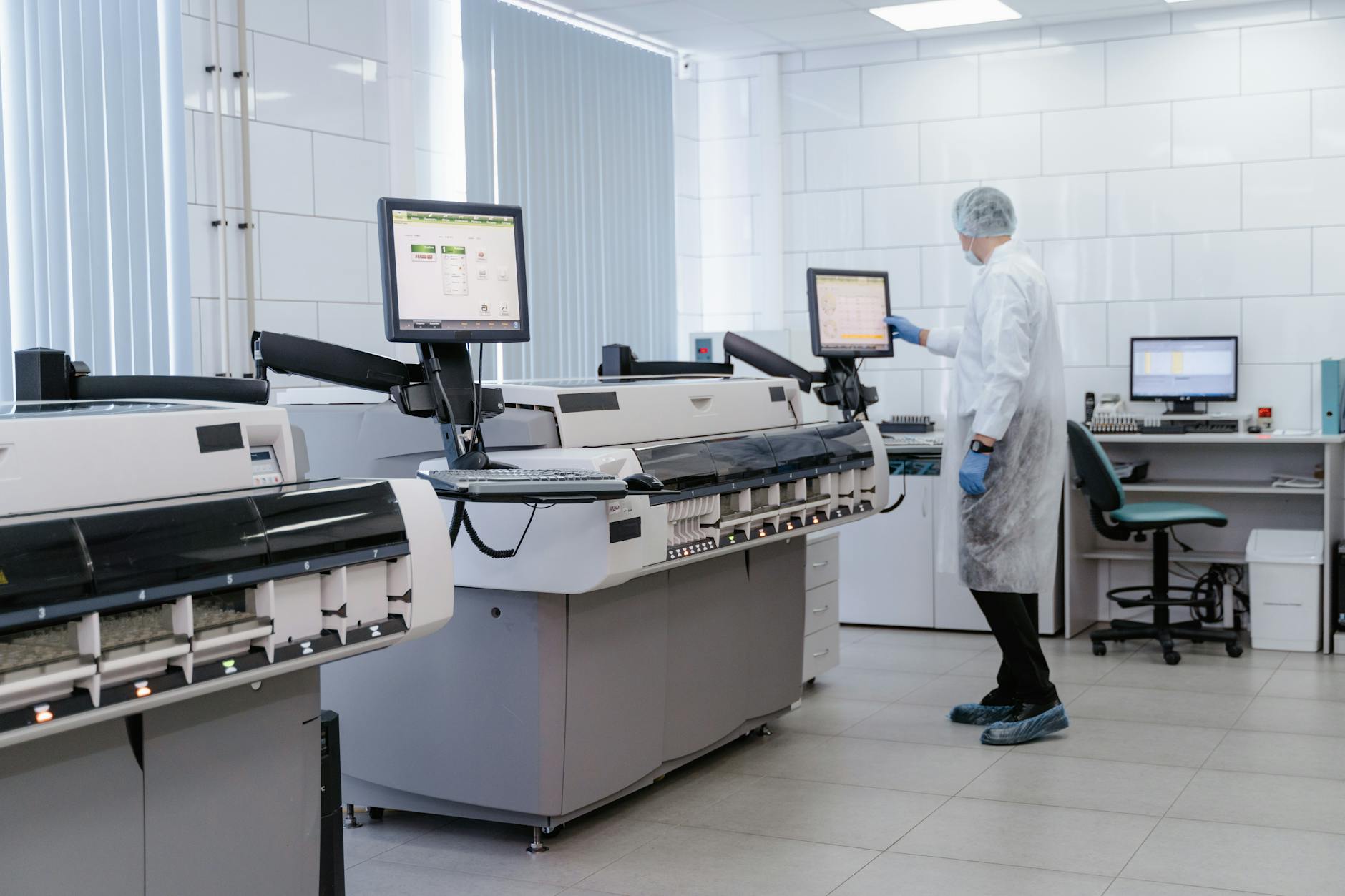
A groundbreaking case study details how CRISPR gene editing cured sickle cell disease in a patient, marking a major milestone in genetic medicine and offering hope for millions worldwide.
In a historic medical breakthrough, doctors at Boston Children’s Hospital have successfully cured a patient of sickle cell disease using CRISPR gene editing, as announced on April 4, 2026. This case marks the world’s first documented instance of a complete cure for the inherited blood disorder through gene therapy, according to a joint report published in The New England Journal of Medicine and confirmed by Reuters.
Sickle cell disease (SCD) affects over 20 million people globally, causing chronic pain, organ damage, and reduced life expectancy, according to the World Health Organization (WHO). Traditional treatments focus on symptom management, with bone marrow transplants offering the only potential cure until now, but with significant risks and limited donor availability.

The patient, a 27-year-old woman identified as Maria Rodriguez, had suffered from severe SCD complications since childhood. Despite multiple hospitalizations and blood transfusions, her quality of life remained poor. In early 2025, she enrolled in a clinical trial led by Dr. Emily Chen, a hematologist specializing in gene therapies at Boston Children’s Hospital.
Background: CRISPR and the Quest for a Cure
CRISPR-Cas9 is a revolutionary gene-editing technology that enables precise modifications to DNA. Since its discovery in 2012, scientists have explored its potential to correct genetic defects at their source. Sickle cell disease, caused by a single mutation in the HBB gene, became a prime target for CRISPR-based therapies.
Previous clinical trials demonstrated that CRISPR could reduce symptoms of SCD, but a full cure remained elusive. The U.S. Food and Drug Administration (FDA) granted breakthrough therapy designation to several CRISPR-based treatments in 2024, accelerating research and regulatory review, as reported by The Economic Times.
The Landmark Case: Maria Rodriguez’s Journey

Maria underwent a complex procedure in March 2025. Doctors first harvested her stem cells, then used CRISPR-Cas9 to correct the faulty HBB gene. The edited cells were expanded in the lab and reintroduced into her bloodstream after she received chemotherapy to clear her bone marrow.
Within three months, Maria’s blood tests showed a dramatic increase in healthy hemoglobin, and sickled cells disappeared from her circulation. She experienced no vaso-occlusive crises or hospitalizations in the subsequent year, according to the published case study.
Follow-up assessments over 12 months confirmed the persistence of the gene correction and normal red blood cell function. Maria reported a complete resolution of pain episodes and a return to normal daily activities for the first time in her life.
Safety and Side Effects
The clinical team monitored Maria closely for adverse effects. She experienced mild, transient symptoms related to chemotherapy, but no off-target gene edits or long-term complications were detected. The research team used advanced sequencing to confirm the precision of the CRISPR edit, as detailed in The New England Journal of Medicine.
Implications for Global Health

This case study has profound implications for the treatment of genetic diseases. Experts at the WHO and the American Society of Hematology hailed the result as a major step toward accessible cures for millions living with SCD, especially in Africa and India, where the disease burden is highest.
However, challenges remain. The CRISPR procedure is currently expensive and requires sophisticated infrastructure. Scaling up access to low- and middle-income countries will require significant investment, policy changes, and technology transfer, according to a WHO policy brief released in March 2026.
Ethical and Regulatory Considerations
Gene editing in humans raises ethical questions about consent, equity, and potential unintended consequences. The FDA and European Medicines Agency (EMA) have established strict guidelines for CRISPR therapies, requiring long-term follow-up and transparency in reporting outcomes.
Bioethicists emphasize the importance of community engagement and informed consent, especially in vulnerable populations. Dr. Chen’s team worked closely with patient advocacy groups to ensure ethical standards were met throughout the trial.
What’s Next: Expanding Clinical Trials
Following Maria’s success, Boston Children’s Hospital has expanded its CRISPR trial to include 50 more patients across the U.S., U.K., and Nigeria. Early results are promising, with several participants showing marked improvement in hemoglobin levels and reduction in pain crises, according to interim data presented at the 2026 American Society of Hematology conference.
Pharmaceutical companies and biotech firms are now racing to commercialize CRISPR-based therapies for SCD and other monogenic disorders. The FDA is expected to review a broader approval application for CRISPR SCD therapy later this year, potentially paving the way for wider adoption.
Conclusion
Maria Rodriguez’s case represents a turning point in genetic medicine. While hurdles remain, her cure offers hope to millions and demonstrates the transformative power of CRISPR gene editing. The medical community will closely watch ongoing trials and regulatory developments in the months ahead.
Sources
- The New England Journal of Medicine
- Reuters
- The Economic Times
- World Health Organization
- American Society of Hematology
Sources: Information sourced from The New England Journal of Medicine, Reuters, The Economic Times, World Health Organization, and American Society of Hematology.