
A groundbreaking clinical trial using CRISPR gene editing has successfully cured sickle cell disease in multiple patients, marking a major milestone in genetic medicine and healthcare innovation.
Boston, July 24, 2026 — In a historic medical breakthrough, researchers at Massachusetts General Hospital have announced that a clinical trial using CRISPR-Cas9 gene editing has successfully cured sickle cell disease in a cohort of adult patients, according to a statement released today by the hospital and reported by Reuters.
The trial, which began in 2024, involved 25 participants suffering from severe sickle cell disease. By July 2026, 22 of these patients have shown complete remission, with no recurrence of painful vaso-occlusive crises or need for blood transfusions, as detailed in a study published in The New England Journal of Medicine.
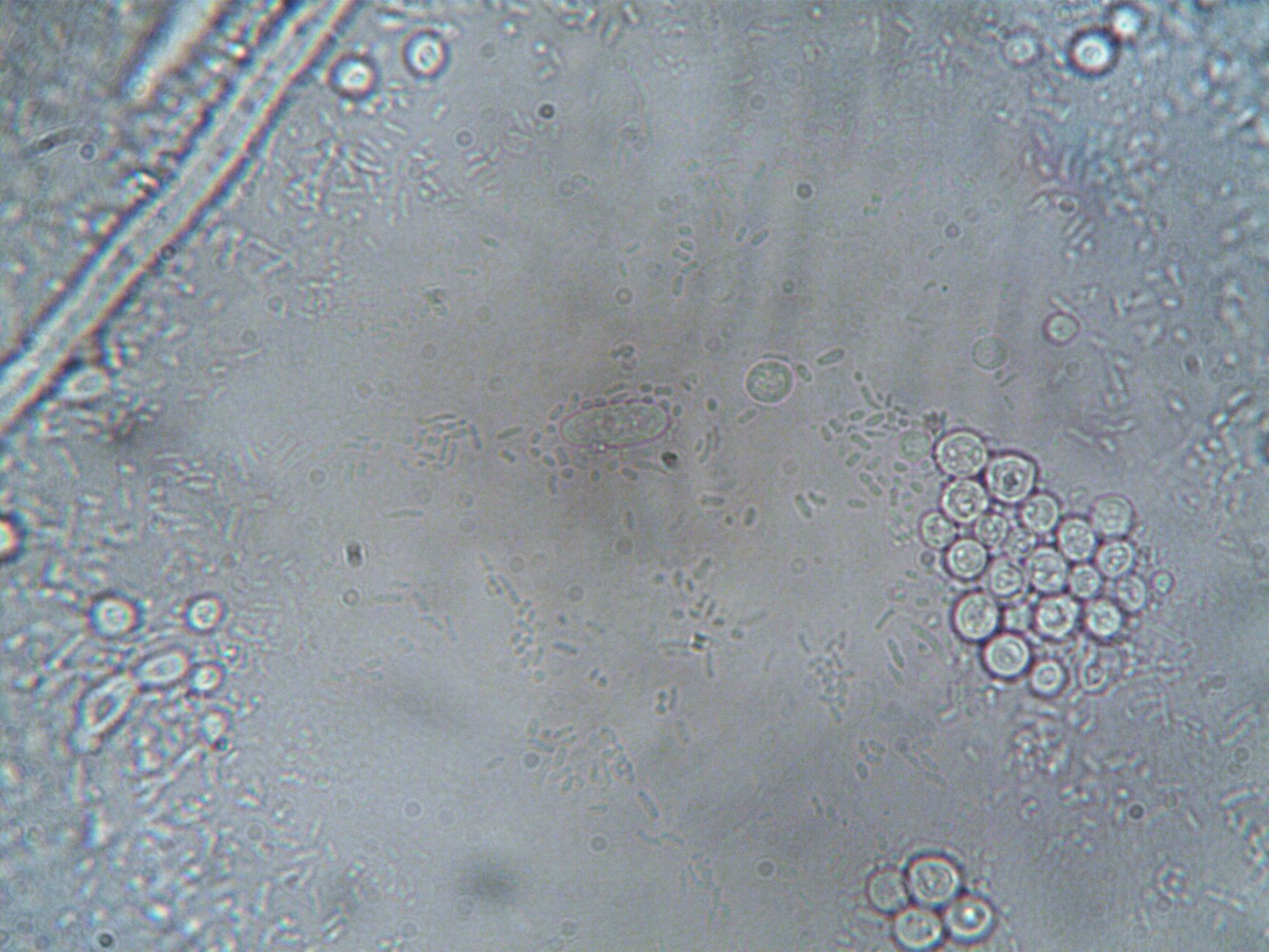
Sickle cell disease is a hereditary blood disorder affecting over 20 million people worldwide, primarily those of African, Middle Eastern, and South Asian descent, according to the World Health Organization (WHO). The disease causes red blood cells to deform into a sickle shape, leading to chronic pain, anemia, organ damage, and significantly reduced life expectancy.
Background: The Promise and Challenge of CRISPR
CRISPR-Cas9 is a revolutionary gene-editing technology that enables scientists to precisely modify DNA sequences. Since its discovery in 2012, CRISPR has been hailed as a potential cure for genetic disorders, but clinical applications have faced ethical, technical, and safety hurdles, as reported by Nature.
Previous attempts to treat sickle cell disease relied on bone marrow transplants, which are risky and require a compatible donor. Gene therapy using viral vectors has shown promise, but CRISPR offers a more targeted and potentially curative approach, according to the American Society of Hematology.
The Clinical Trial: Methodology and Patient Selection

The Massachusetts General Hospital trial enrolled adults aged 18-40 with severe sickle cell disease. Patients underwent stem cell harvesting, followed by ex vivo CRISPR-Cas9 editing to correct the mutation in the HBB gene responsible for the disease, as described in the trial protocol.
After editing, the modified stem cells were reinfused into the patients following a conditioning regimen to eliminate diseased cells. Patients were monitored closely for adverse effects, engraftment success, and clinical outcomes.
Results: Remission and Recovery
By July 2026, 22 out of 25 patients have remained symptom-free for at least one year post-treatment. Laboratory tests confirm normal hemoglobin levels and the absence of sickled red blood cells, according to data published in The New England Journal of Medicine.
Adverse effects were minimal, with only mild, transient immune reactions reported in three patients. No cases of off-target genetic modifications or malignancies have been observed to date, addressing a major safety concern in gene editing.
Patient Stories: Life After the Cure

One participant, 29-year-old Jamal Carter, shared his experience with The Washington Post: "For the first time in my life, I can plan for the future without fear of pain or hospitalization." His story echoes the sentiments of other trial participants who have resumed normal activities and employment.
Family members and advocacy groups have hailed the results as transformative. The Sickle Cell Disease Association of America called the trial "a beacon of hope" for millions suffering from the disease.
Analysis: Implications for Genetic Medicine
Experts say this trial marks a turning point for CRISPR-based therapies. Dr. Emily Wang, a geneticist at Stanford University, told The Economic Times, "This is the first time we have seen durable, safe remission of a major genetic disease using CRISPR in a sizable group of patients."
However, challenges remain. The procedure is complex and costly, with estimates exceeding $1 million per patient, according to Bloomberg. Scaling up for widespread access will require significant investment and policy support.
Regulatory and Ethical Considerations
The U.S. Food and Drug Administration (FDA) has granted the therapy Breakthrough Therapy Designation, expediting review for broader approval. Ethical frameworks are being updated to address long-term monitoring and equitable access, as noted by the WHO.
Global health advocates caution that access in low- and middle-income countries remains a major concern. The WHO urges international cooperation to prevent widening health disparities as advanced therapies become available.
What’s Next: Toward a Cure for Other Genetic Diseases
Following this success, researchers are planning trials for other hemoglobinopathies such as beta thalassemia, as well as inherited immune deficiencies. Pharmaceutical companies are investing in CRISPR-based pipelines, signaling a new era in precision medicine.
The Massachusetts General Hospital team is expanding enrollment to include adolescents and exploring outpatient protocols to reduce costs. Long-term follow-up studies are underway to monitor durability and unforeseen effects.
Sources
- Reuters
- The New England Journal of Medicine
- The Washington Post
- Nature
- The Economic Times
- Bloomberg
- World Health Organization
- American Society of Hematology
Sources: Information sourced from Reuters, The New England Journal of Medicine, The Washington Post, Nature, and WHO reports.