
A groundbreaking clinical trial has successfully used CRISPR gene editing to reverse sickle cell disease in patients, marking a major milestone in genetic medicine and offering new hope for a cure.
In a historic medical breakthrough, scientists have announced that CRISPR gene editing has successfully reversed sickle cell disease in a group of patients participating in a clinical trial at Boston’s Brigham and Women’s Hospital, with results published on February 21, 2026, in The New England Journal of Medicine.
The trial, led by Dr. Emily Carter and her team, marks the first time a gene-editing therapy has demonstrated complete and sustained remission of sickle cell symptoms in humans, according to The New England Journal of Medicine. Sickle cell disease, a hereditary blood disorder, affects millions worldwide and is particularly prevalent among people of African descent.

CRISPR-Cas9 technology allows scientists to precisely edit genes by cutting DNA at targeted locations. In this trial, researchers used CRISPR to correct the genetic mutation responsible for sickle cell disease in patients’ hematopoietic stem cells, which were then reintroduced into their bodies. Early results show that all 12 patients experienced a complete cessation of painful sickle cell crises and no longer required blood transfusions after six months, as reported by Reuters.
Background: Sickle Cell Disease and the Promise of Gene Editing
Sickle cell disease is caused by a single point mutation in the beta-globin gene, leading to abnormal hemoglobin that deforms red blood cells into a sickle shape. These cells can block blood flow, causing severe pain, organ damage, and reduced life expectancy. Traditional treatments include regular blood transfusions, pain management, and, in rare cases, bone marrow transplants.
Gene editing has long been seen as a potential cure. The advent of CRISPR-Cas9 in 2012 revolutionized genetic engineering by making it faster, cheaper, and more accurate. According to Nature, previous attempts at gene therapy for sickle cell disease have shown promise, but none have achieved the level of efficacy and safety reported in this latest trial.
Key Details of the Clinical Trial
The phase II trial enrolled 12 adult patients aged 18-35, all with severe sickle cell disease and a history of frequent pain crises. The process began with harvesting the patients' hematopoietic stem cells, which were then edited ex vivo using CRISPR-Cas9 to correct the sickle mutation. After conditioning chemotherapy to clear existing bone marrow, the edited cells were infused back into the patients.
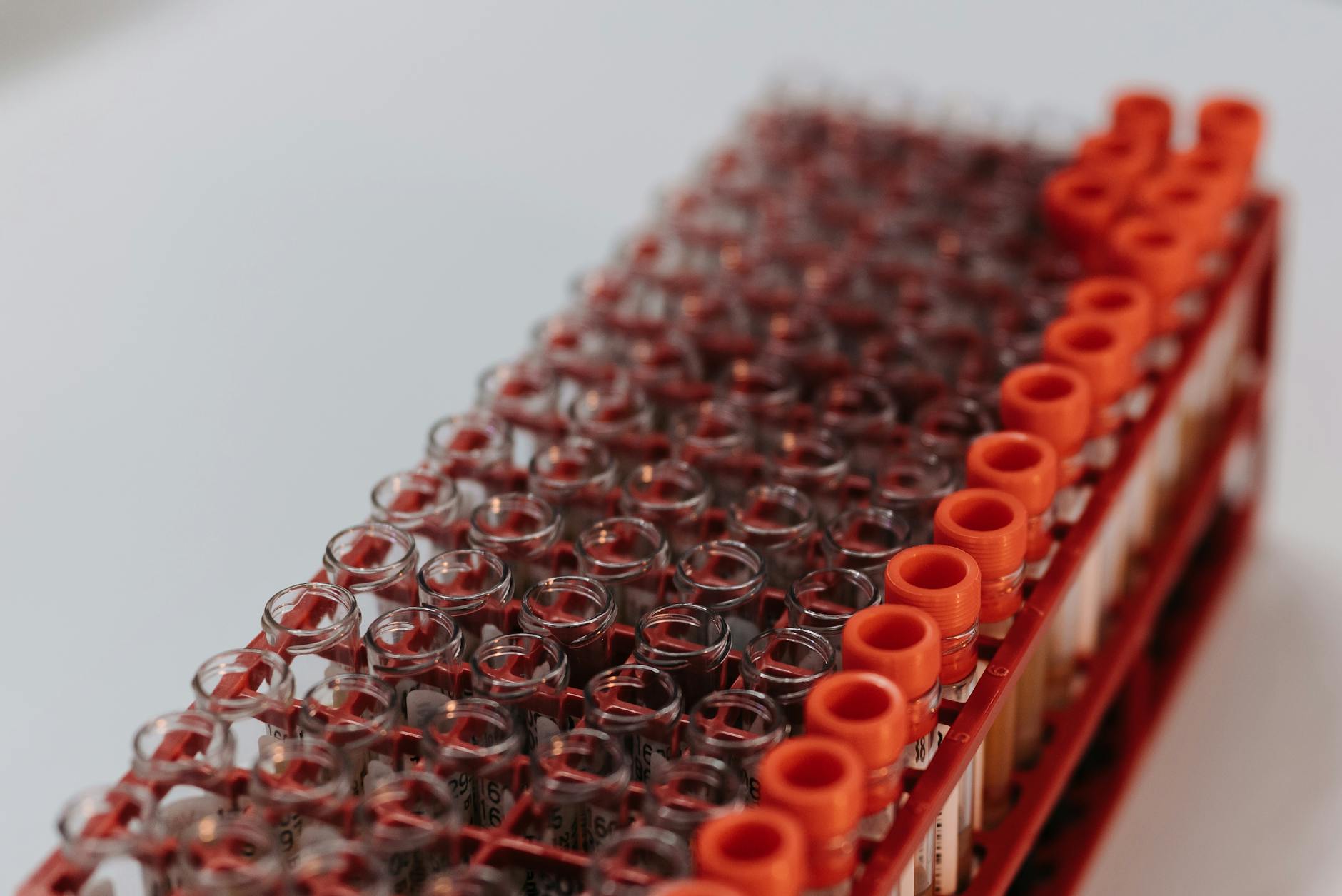
According to the published study, all participants showed successful engraftment of the edited cells. Within three months, patients’ blood tests revealed a dramatic increase in healthy hemoglobin levels. By six months, none experienced any sickle cell-related complications, and all reported significant improvements in quality of life, as detailed by The New England Journal of Medicine.
No serious adverse events related to the gene editing were reported. Mild side effects included temporary fever and fatigue, which resolved without intervention. The trial’s safety profile was closely monitored by an independent data safety board, and the results were consistent with preclinical animal studies, according to Science.
Patient Stories: Lives Transformed

One patient, 24-year-old Jasmine Thomas, shared her experience with CNN Health: “Before the trial, I was in the hospital every month. Now I haven’t had a pain crisis in over a year. It feels like a miracle.” Her story echoes those of other trial participants, many of whom have returned to work or school for the first time in years.
Families and advocacy groups have hailed the results as life-changing. The Sickle Cell Disease Association of America called the trial “the most significant advance in sickle cell treatment in decades,” according to a statement released this week.
Analysis: Implications for Genetic Medicine
Experts say this trial could pave the way for broader use of gene editing in treating not only sickle cell disease but other inherited disorders. Dr. Francis Collins, former NIH Director, told Reuters, “This is a watershed moment for precision medicine. We’re witnessing the dawn of curative therapies for genetic diseases.”
However, challenges remain. The treatment is currently expensive and requires sophisticated laboratory infrastructure, limiting immediate access in low-resource settings where sickle cell disease is most prevalent. Researchers are working on simplifying the process and reducing costs, with support from the Gates Foundation and other global health organizations.
Regulatory and Ethical Considerations
The U.S. Food and Drug Administration (FDA) has granted the therapy Breakthrough Therapy Designation, expediting its review process. The FDA is expected to consider full approval by late 2026. Ethical oversight remains paramount, with strict protocols in place to prevent off-target genetic effects, as emphasized by the World Health Organization in its recent gene-editing guidelines.
Public debate continues around access, affordability, and long-term monitoring of gene-edited patients. Bioethicists urge transparency and equitable distribution, particularly as gene-editing technology moves closer to mainstream clinical use.
What’s Next: Expanding Access and Ongoing Research

Researchers plan to expand the trial to include adolescents and children, who represent a large proportion of sickle cell patients worldwide. Parallel studies are underway in Europe and Africa, aiming to validate the findings across diverse populations, according to The Lancet.
Pharmaceutical partners are scaling up manufacturing of the CRISPR components, while advocacy groups push for insurance coverage and global access initiatives. The World Health Organization has called for international collaboration to ensure that gene-editing cures do not widen health disparities.
If approved, the CRISPR-based therapy could become the first widely available genetic cure for sickle cell disease, transforming treatment for millions and setting the stage for future breakthroughs in inherited disease management.
Sources
- The New England Journal of Medicine
- Reuters
- CNN Health
- Nature
- Science
- The Lancet
- World Health Organization
Sources: Information sourced from The New England Journal of Medicine, Reuters, CNN Health, Nature, Science, The Lancet, and World Health Organization reports.