A comprehensive analysis of the 2026 Southern Europe wildfires, exploring causes, response efforts, environmental consequences, and critical lessons for future disaster preparedness and climate adaptation.
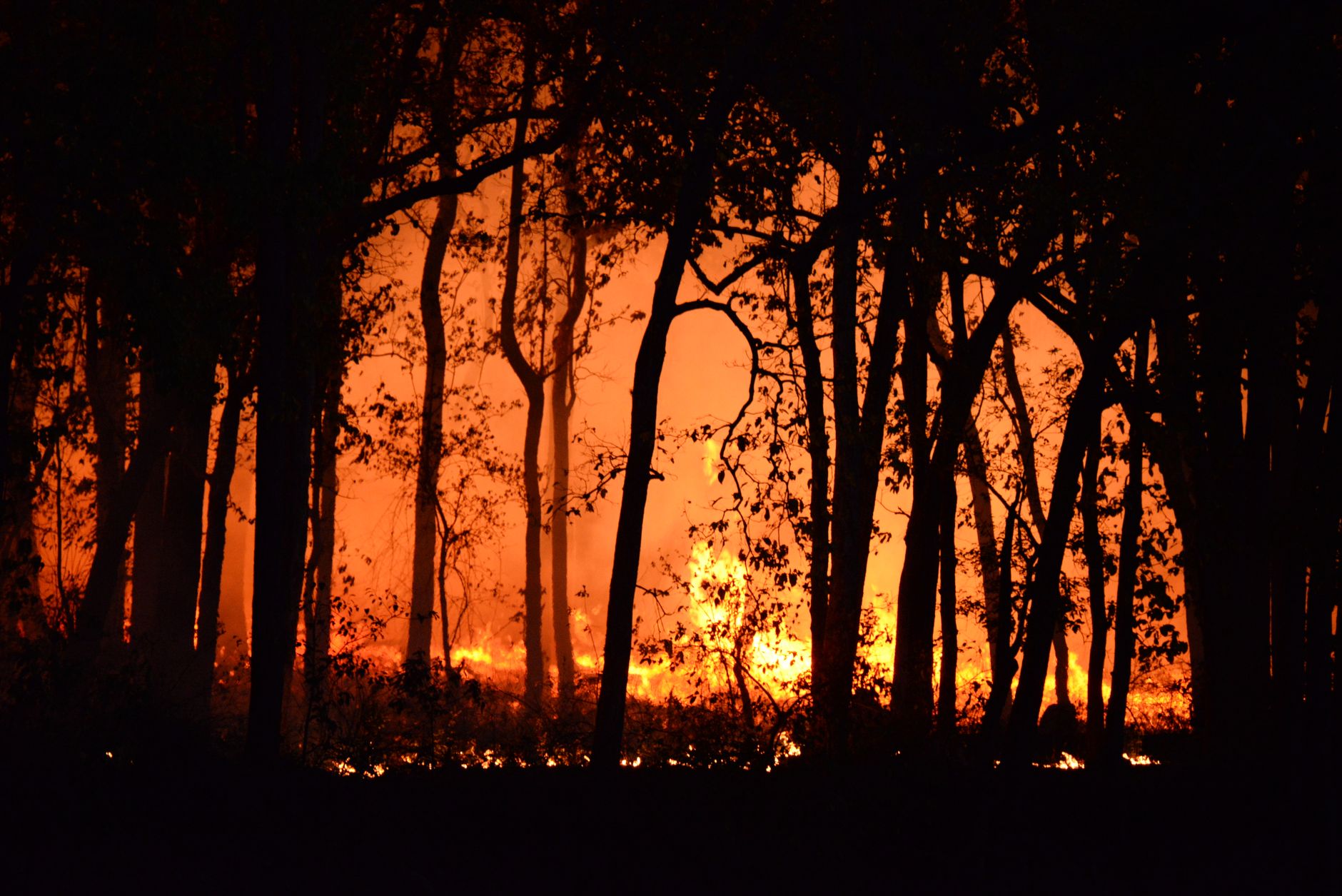
Southern Europe is battling its most destructive wildfire season in decades, with blazes erupting across Greece, Italy, and Spain since early July 2026, prompting mass evacuations and urgent calls for climate action, according to Reuters and local authorities.
The wildfires, fueled by record-breaking heatwaves and prolonged drought, have scorched over 200,000 hectares of land, destroyed hundreds of homes, and resulted in at least 35 fatalities, as reported by The Guardian. Emergency services are stretched thin, with thousands of firefighters deployed across multiple regions.
Background: A Region Vulnerable to Fire
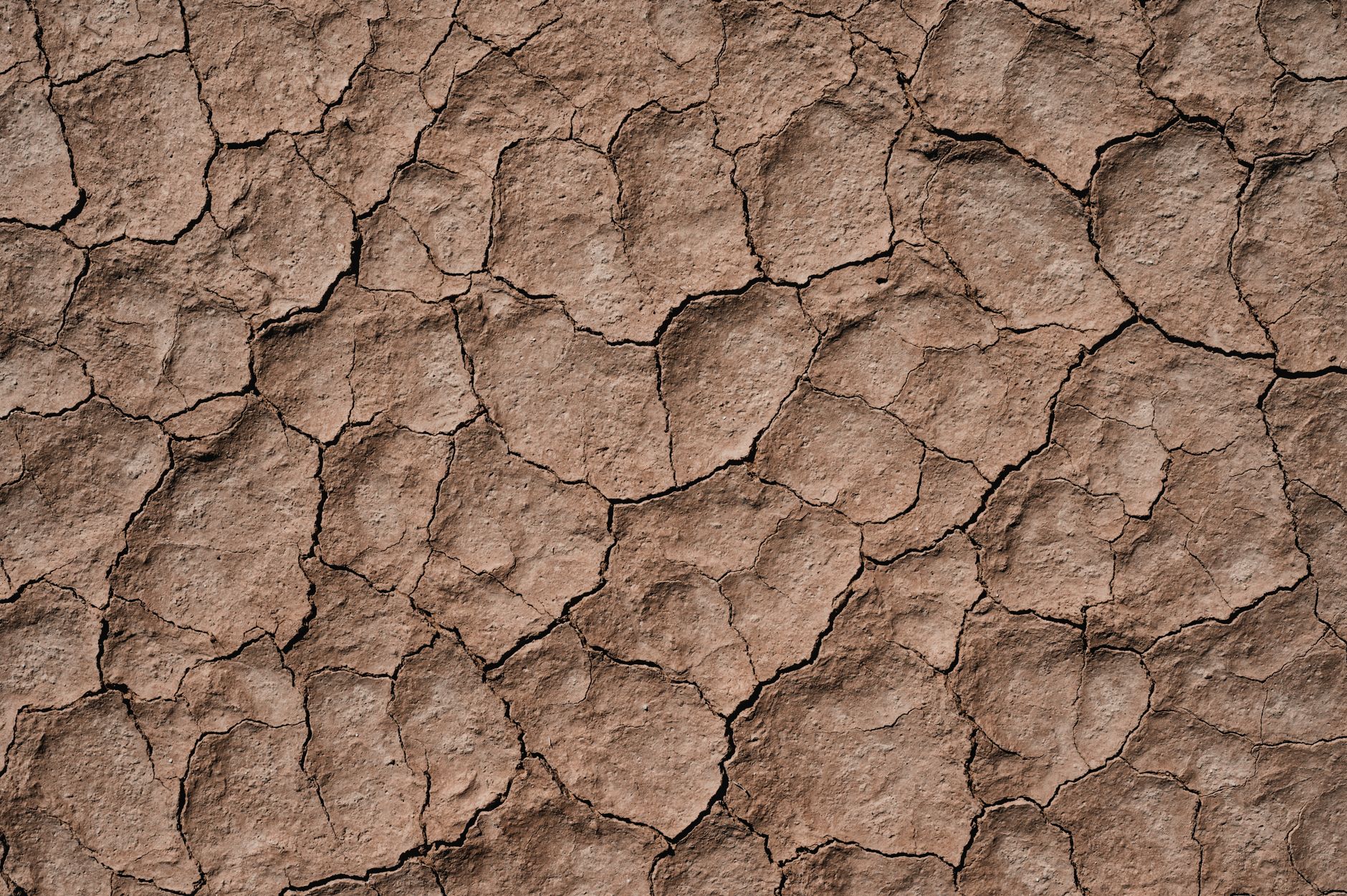
Southern Europe has long faced wildfire risks, but the scale and intensity of the 2026 fires are unprecedented. According to the European Forest Fire Information System (EFFIS), the Mediterranean basin is experiencing its driest summer in 40 years, with rainfall levels 60% below average.Experts from the World Meteorological Organization (WMO) attribute the severity of the fires to a combination of climate change, land mismanagement, and increasing urban encroachment into forested areas. These factors have created a tinderbox environment, making the region susceptible to rapid fire spread.
Key Details: Fires Ravage Greece, Italy, and Spain
In Greece, the island of Evia and the outskirts of Athens have been hardest hit. Over 20,000 residents were evacuated in a single weekend, and thick smoke blanketed the capital, disrupting air travel and daily life, according to Kathimerini.Italy declared a state of emergency in Sicily and Calabria as flames threatened UNESCO heritage sites and agricultural heartlands. Spain’s Andalusia region also faced relentless blazes, with olive groves and vineyards suffering extensive damage, as reported by El País.

Satellite imagery from the European Space Agency (ESA) reveals burn scars stretching for kilometers, while local officials warn that high winds and soaring temperatures could worsen conditions in the coming days.
Response Efforts: International Aid and Local Challenges
Firefighting teams from France, Germany, and Turkey joined local crews, deploying water-bombing aircraft and ground units. The European Union activated its Civil Protection Mechanism, coordinating resources and emergency funding, according to the European Commission.Despite these efforts, responders faced major obstacles: inaccessible terrain, limited water supplies, and rapidly shifting fire fronts. Local mayors have criticized slow bureaucratic processes and underinvestment in fire prevention infrastructure.
Environmental and Economic Impact
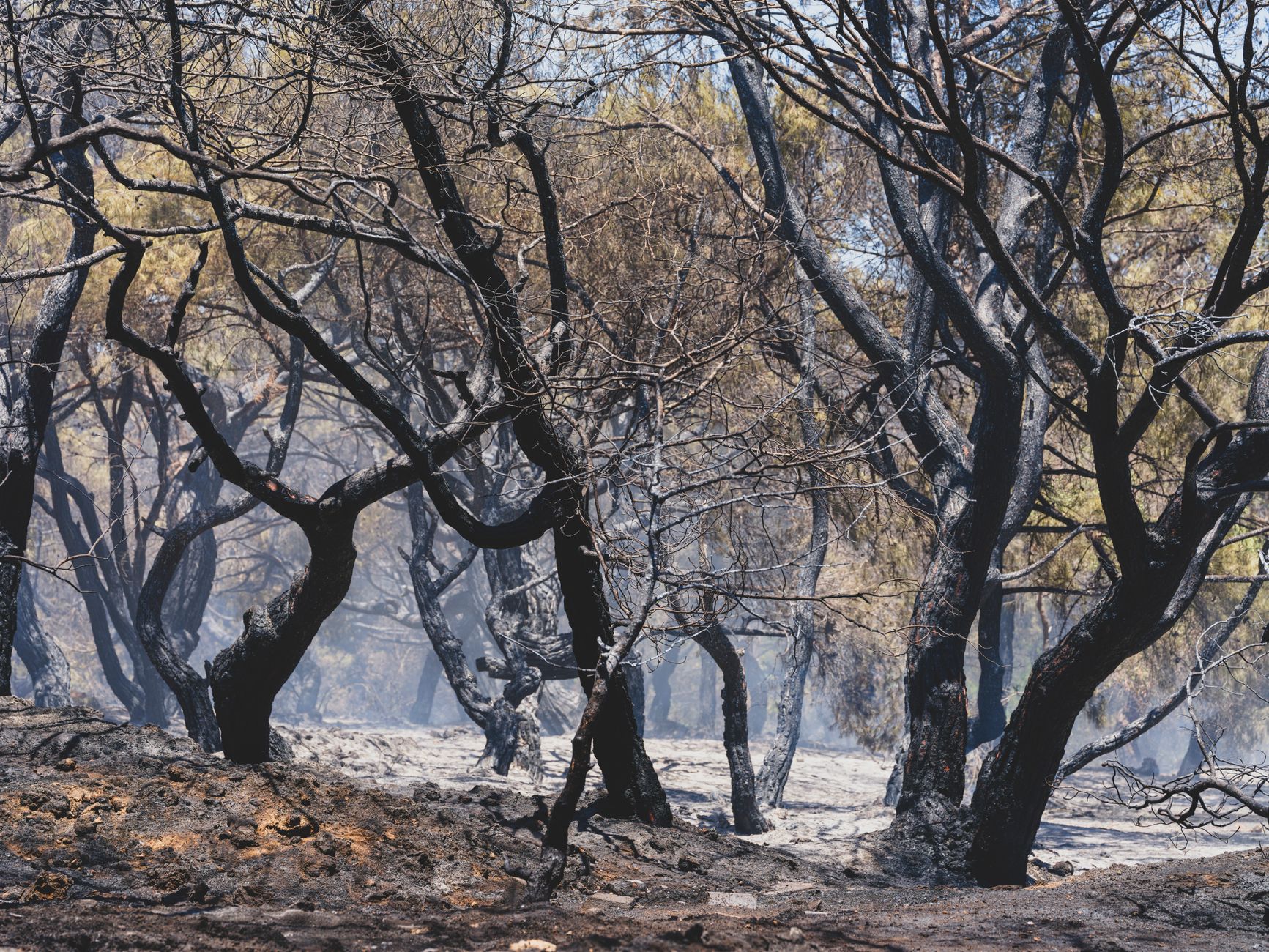
The fires have devastated biodiversity hotspots, destroyed habitats for endangered species, and released millions of tons of carbon dioxide into the atmosphere, according to WWF. Early estimates suggest agricultural losses could exceed €2 billion.Air quality in major cities has plummeted, with particulate matter levels exceeding WHO safety thresholds. Hospitals reported a surge in respiratory cases, particularly among vulnerable populations such as children and the elderly.
Analysis: Climate Change and Policy Gaps
Scientists warn that such extreme wildfire seasons are likely to become more frequent as global temperatures rise. A 2025 IPCC report highlighted the Mediterranean as a climate change hotspot, predicting increased drought and fire risk.Policy analysts argue that current land management practices, including insufficient forest thinning and lack of firebreaks, have exacerbated the crisis. Calls are growing for a comprehensive, cross-border wildfire strategy and increased investment in early warning systems.
Lessons Learned: Prevention and Preparedness
The 2026 wildfires underscore the need for proactive measures. Experts recommend integrating traditional land stewardship, such as controlled burns, with modern technology like AI-driven fire detection and satellite monitoring.Community education and local engagement are also critical. In Portugal, where similar fires occurred in 2017, authorities have since implemented neighborhood watch programs and mandatory property clearances, reducing fire risk, as documented by the European Environment Agency.
What’s Next: Rebuilding and Adapting
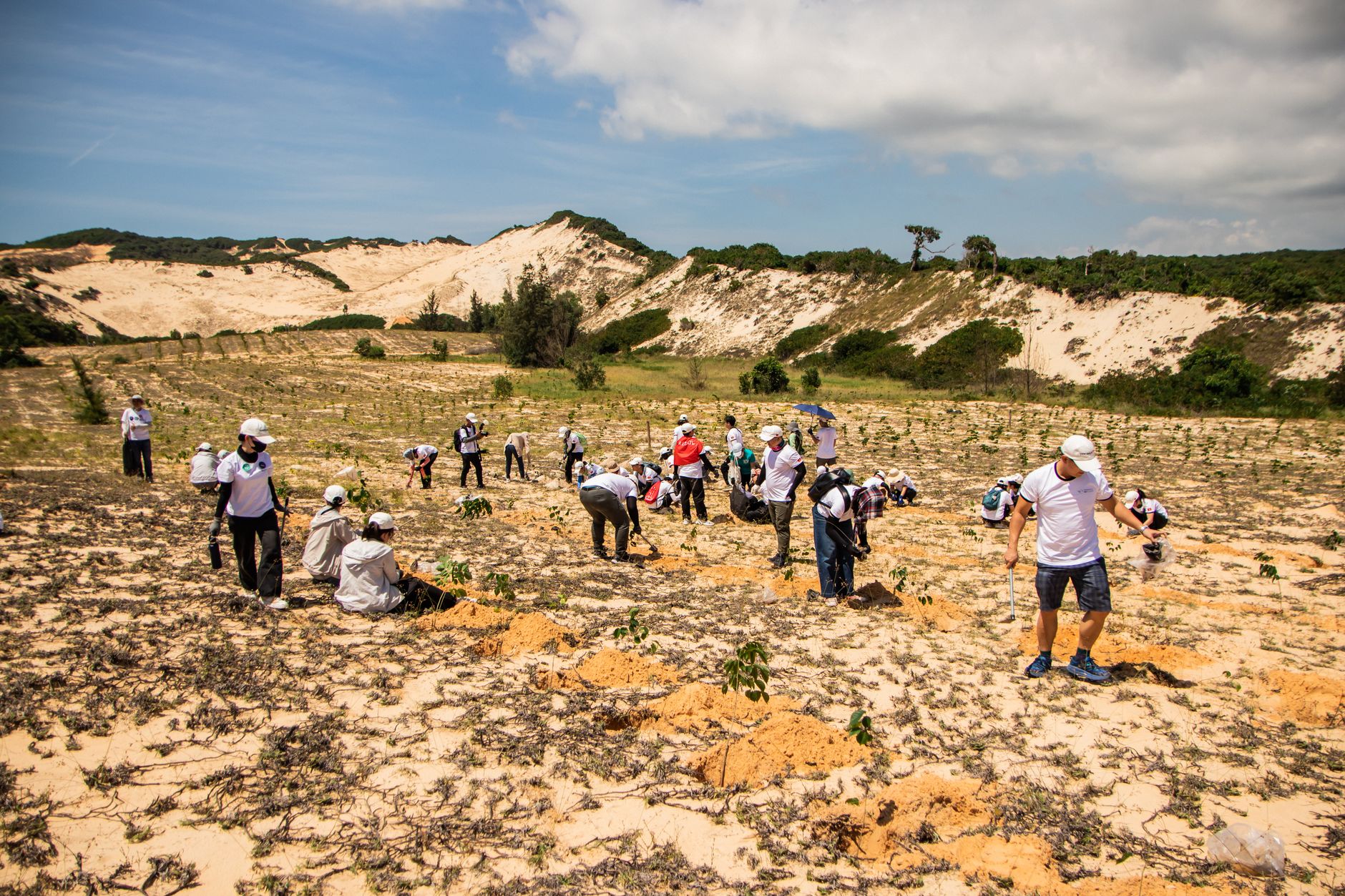
Recovery efforts are underway, with governments pledging financial aid for affected communities and reforestation projects. The European Parliament is debating new climate adaptation funds and stricter land use regulations.Long-term, experts stress the importance of addressing root causes: reducing greenhouse gas emissions, restoring natural landscapes, and fostering regional cooperation. Without urgent action, the cycle of destruction is likely to continue.
Sources
This article draws on reports and data from Reuters, The Guardian, Kathimerini, El País, European Forest Fire Information System, World Meteorological Organization, European Space Agency, WWF, IPCC, European Environment Agency, and the European Commission.Sources: Information sourced from Reuters, The Guardian, Kathimerini, El País, EFFIS, WMO, ESA, WWF, IPCC, EEA, and the European Commission.