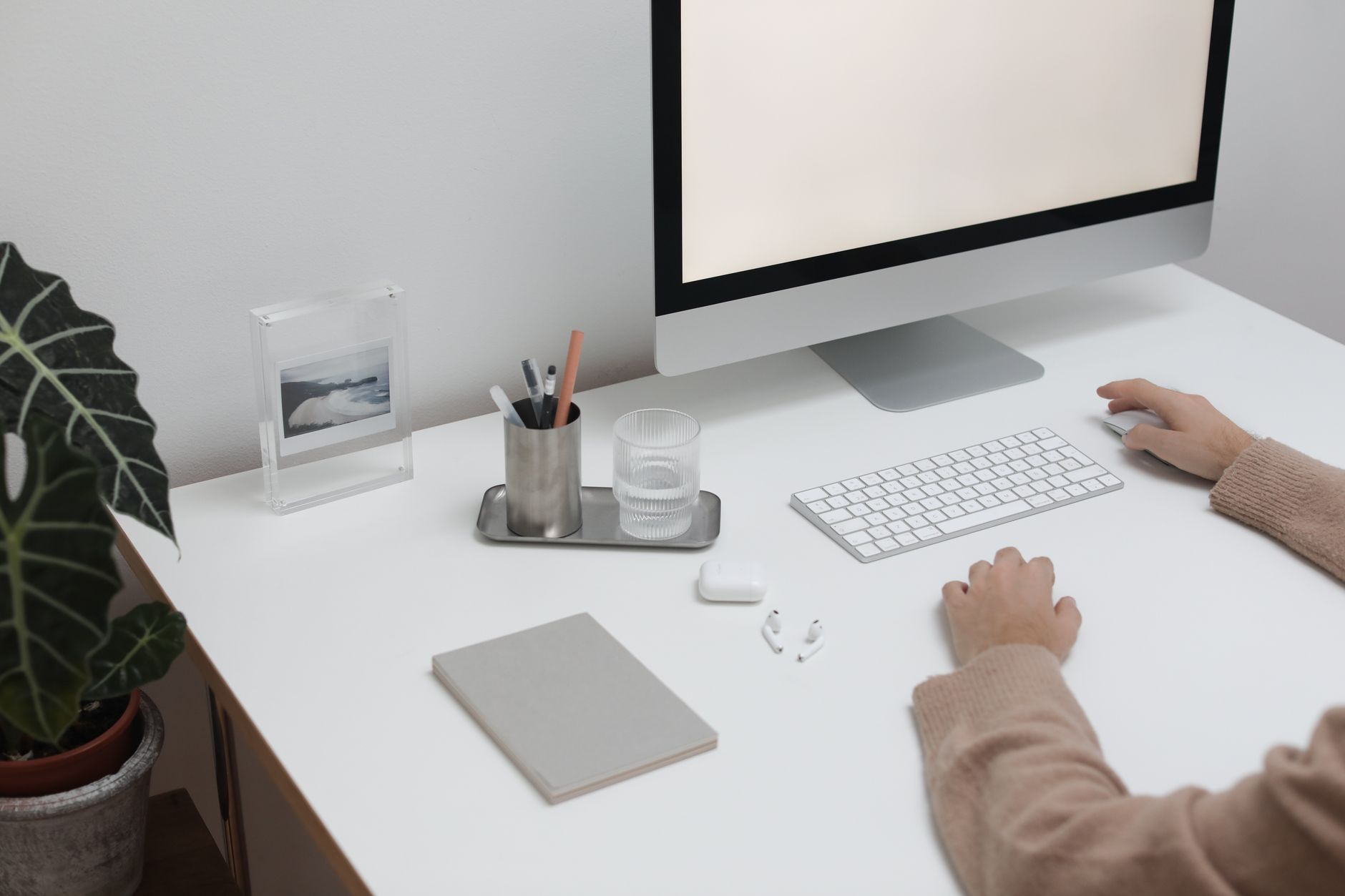
A global Digital Declutter Challenge is trending in July 2026, inspiring millions to embrace minimalist living and productivity hacks for improved mental health and efficiency.
Millions worldwide are participating in the 2026 Digital Declutter Challenge this July, a viral initiative encouraging people to streamline their digital lives and embrace minimalist productivity hacks, as reported by BBC News.
The Digital Declutter Challenge, launched on July 1, 2026, quickly gained traction on social media platforms such as TikTok and Instagram. Influencers and productivity experts are sharing daily tips on reducing digital clutter, citing improved focus and well-being.
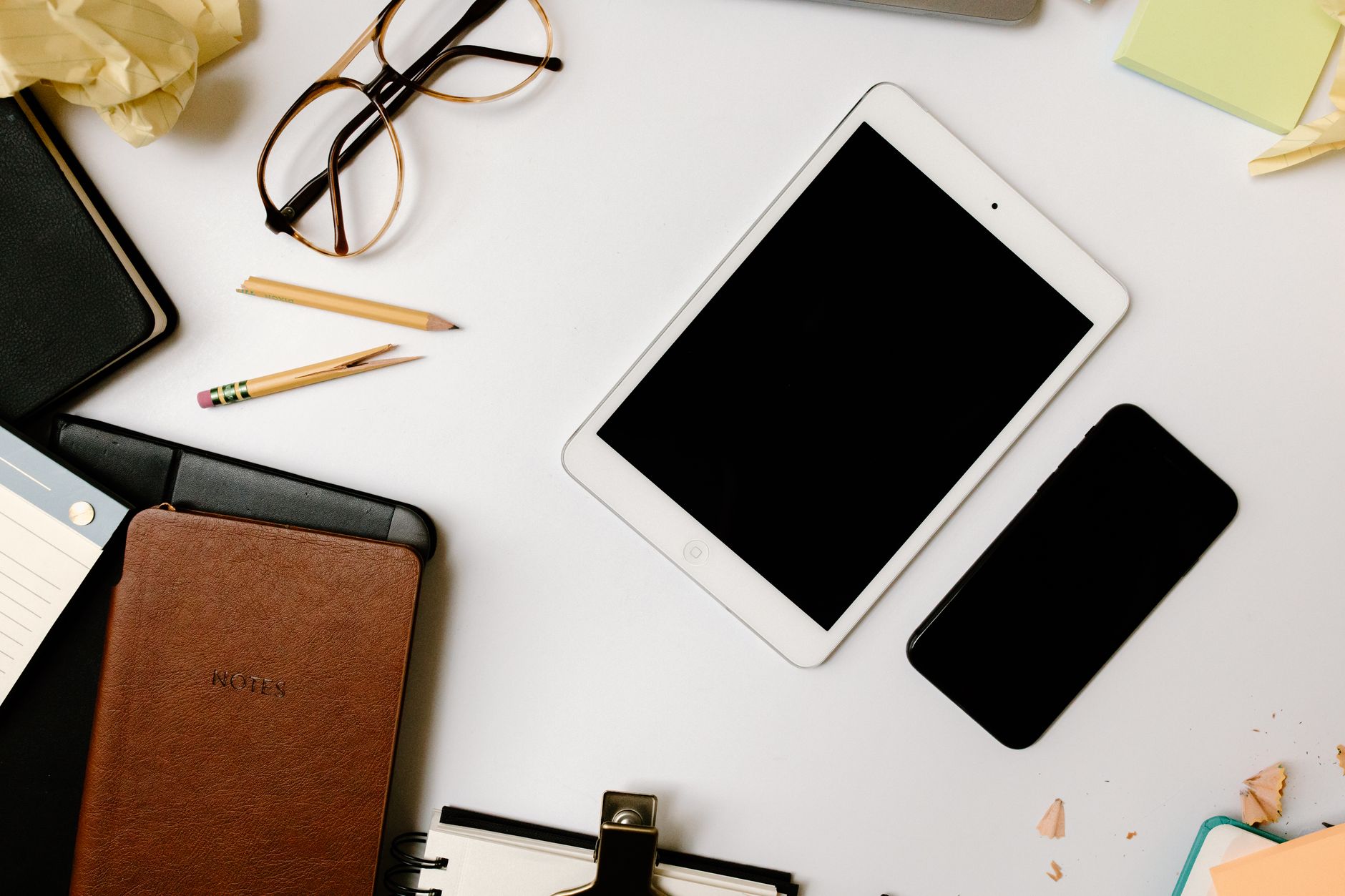
Minimalist living has surged in popularity in recent years, but this summer’s challenge marks the first time a coordinated global event has targeted digital minimalism specifically. According to a survey by The Guardian, 68% of participants report feeling less stressed after the first week.
Origins of the Digital Declutter Challenge
The challenge was initiated by productivity coach Marie Kondo and tech wellness startup MindfulBytes. Their goal: help people regain control over their digital environments, which have become increasingly chaotic due to remote work and constant connectivity.
MindfulBytes CEO, Ravi Patel, told The Economic Times that the average person now receives over 120 notifications per day, leading to digital fatigue and reduced productivity. The challenge encourages participants to unsubscribe from unnecessary emails, organize files, and limit screen time.
Key Productivity Hacks Shared During the Challenge
Participants are adopting several minimalist hacks, such as the "Inbox Zero" method, batch processing tasks, and using distraction-blocking apps. According to a Harvard Business Review feature, these strategies can increase daily productivity by up to 25%.
Another popular tip is the "One Screen Rule," which limits work to a single device at a time. This approach, promoted by digital minimalism advocate Cal Newport, helps reduce multitasking and cognitive overload.
Social Media’s Role in Spreading Minimalism

Social media platforms have played a crucial role in amplifying the challenge. The hashtag #DigitalDeclutter2026 has amassed over 500 million views on TikTok, with users sharing before-and-after screenshots of their decluttered devices.
Experts warn, however, that the constant stream of productivity content can itself become overwhelming. The American Psychological Association recommends setting boundaries for consuming self-improvement material.
Impact on Mental Health and Well-being
A recent study by the World Health Organization found that digital clutter is linked to higher levels of anxiety and sleep disturbances. Early data from the challenge shows that 72% of participants report better sleep after reducing screen time before bed.
Mental health professionals are also embracing the trend. Dr. Lisa Chen, a clinical psychologist, told Reuters that decluttering digital spaces can reduce decision fatigue and promote mindfulness.
Corporate Adoption and Workplace Productivity

Major companies are encouraging employees to join the challenge. Google and Microsoft have introduced internal campaigns to help staff streamline their digital workflows, citing research that shows a 30% reduction in workplace distractions (Forbes).
Remote workers, in particular, are benefiting from minimalist practices. According to a LinkedIn poll, 81% of remote employees who adopted decluttering routines report higher job satisfaction and improved work-life balance.
What’s Next for Minimalist Living?
With the success of the Digital Declutter Challenge, organizers plan to expand the initiative into an annual event. Productivity experts predict that digital minimalism will remain a core trend as technology continues to permeate daily life.
The movement is also inspiring new apps and tools designed to help users maintain digital order. Startups are launching minimalist email clients, focus timers, and digital detox programs in response to growing demand.
Sources
Information for this article was gathered from BBC News, The Guardian, The Economic Times, Harvard Business Review, Reuters, Forbes, and WHO reports.Sources: Information sourced from BBC News, The Guardian, The Economic Times, Harvard Business Review, Reuters, Forbes, and WHO reports.