
Digital detox retreats are gaining popularity among Gen Z, driven by concerns over tech-induced anxiety and burnout. Experts highlight benefits and challenges of unplugging in today's hyperconnected world.
Digital detox retreats are experiencing unprecedented demand in early 2026, as Gen Z and young professionals flock to tech-free sanctuaries to combat anxiety and burnout, according to recent data from The New York Times and wellness industry reports.
The rise of digital detox retreats marks a significant shift in wellness trends, with more individuals seeking structured escapes from constant connectivity. Industry leaders report a 48% increase in bookings compared to 2024, as cited by The Global Wellness Institute.

These retreats, often set in remote locations, offer participants a chance to surrender their devices, engage in mindfulness practices, and reconnect with nature. The movement is particularly resonant among Gen Z, who report the highest rates of tech-induced stress, according to a 2025 Pew Research Center survey.
Background: The Rise of Tech Fatigue
The COVID-19 pandemic accelerated digital adoption, with remote work and virtual socialization becoming the norm. However, by 2026, prolonged screen time has led to widespread reports of digital fatigue, sleep disturbances, and declining mental health, as documented by the American Psychological Association (APA).
Gen Z, the first generation to grow up entirely online, is particularly vulnerable. A 2025 APA survey found that 68% of Gen Z respondents experienced anxiety linked to social media and constant notifications.
Inside a Digital Detox Retreat
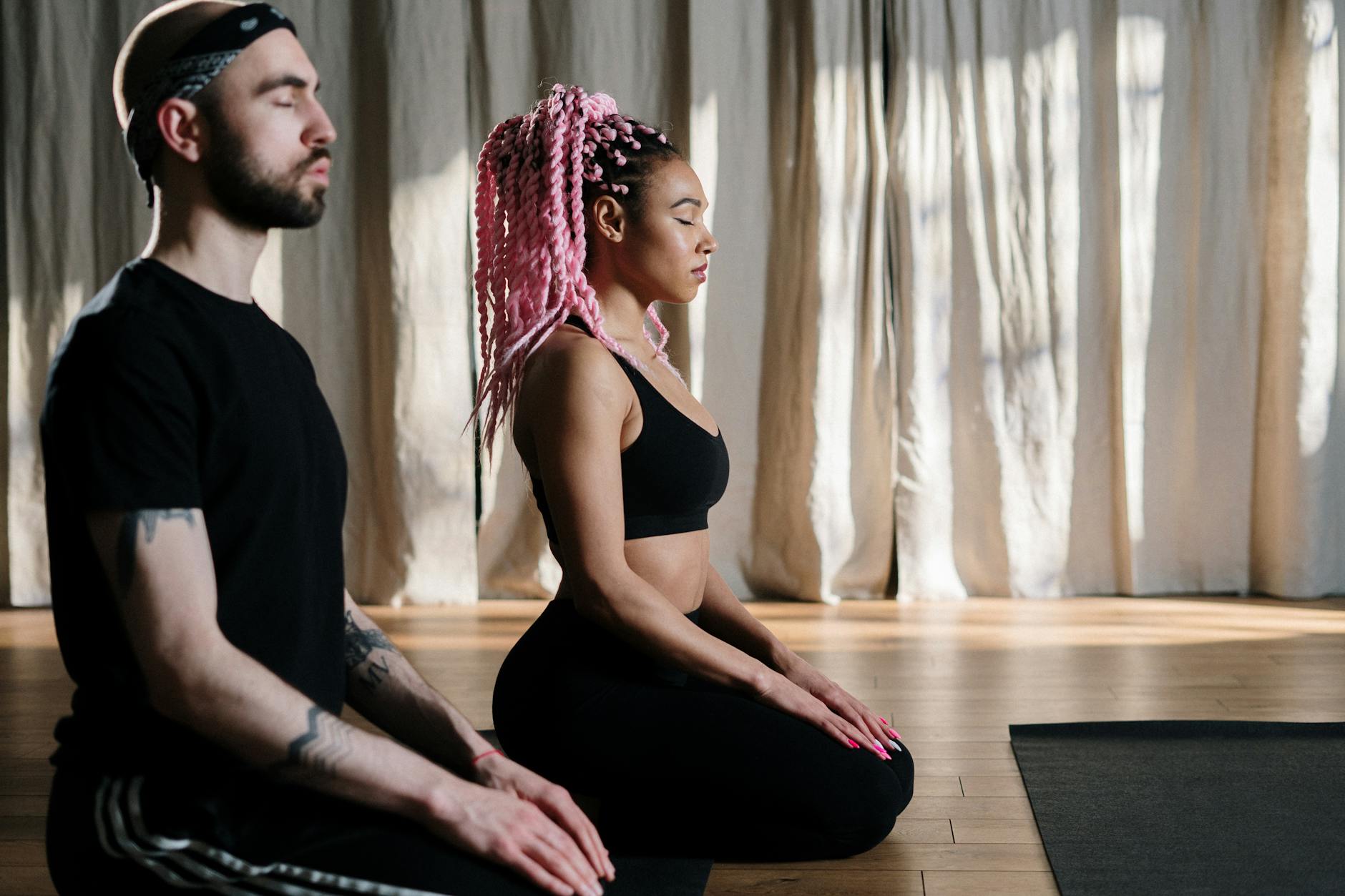
Retreats typically require guests to surrender smartphones, tablets, and laptops upon arrival. Activities include guided meditation, yoga, journaling, and outdoor excursions. According to Mindful Escapes, a leading retreat provider, 85% of participants report improved mood and sleep quality post-retreat.
One popular destination, Forest Haven in Oregon, has seen a 60% rise in bookings since January 2025. Founder Lisa Tran told The New York Times that the majority of guests are under 30, seeking relief from tech-driven anxiety and burnout.
Impact on Mental Health
A 2025 study published in the Journal of Mental Health found that participants in week-long digital detox programs reported a 35% reduction in anxiety and a 28% improvement in sleep quality. These findings align with anecdotal reports from retreat attendees.
Dr. Maria Chen, a clinical psychologist at Stanford University, notes that unplugging from devices allows the brain to reset. "Continuous notifications and digital multitasking can elevate cortisol levels, leading to chronic stress," she explained to Reuters.
Challenges and Criticisms
Despite the benefits, digital detox retreats face criticism for their high costs and limited accessibility. Prices range from $800 to $3,000 per week, making them unattainable for many. Critics argue that wellness should not be a luxury, as reported by The Guardian.
Some mental health experts caution that short-term detoxes may not address underlying issues. Dr. Chen emphasizes the importance of integrating mindful tech use into daily life, rather than relying solely on periodic escapes.
Wider Cultural Shift
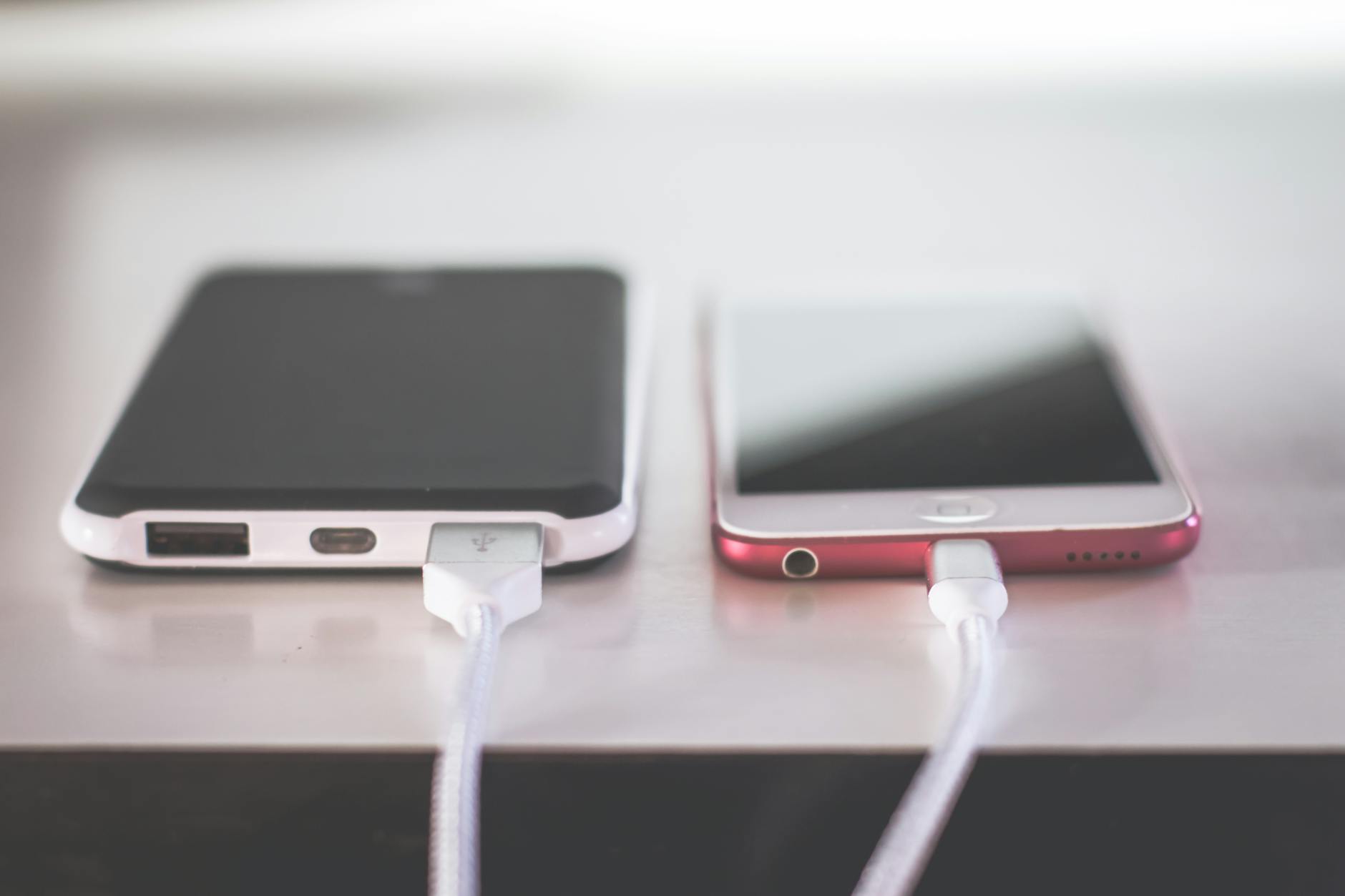
The digital detox trend reflects a broader cultural reevaluation of technology's role in well-being. Companies like Google and Apple have introduced new digital wellness features, while schools and workplaces experiment with "tech-free" zones and hours.
Social media platforms are also responding. Instagram and TikTok launched new tools in late 2025 to encourage screen breaks and promote mental health resources, according to company press releases.
What's Next for Wellness?
Industry analysts predict continued growth for digital detox retreats in 2026, with more affordable and accessible options emerging. Hybrid models, offering both in-person and virtual support for mindful tech use, are expected to gain traction.
Experts recommend that individuals adopt daily "micro-detox" habits, such as scheduled device-free hours and mindful app usage, to sustain benefits beyond retreats. As the digital wellness movement evolves, balancing connectivity and mental health remains a central challenge.
Sources: The New York Times, The Global Wellness Institute, Pew Research Center, American Psychological Association, Mindful Escapes, Journal of Mental Health, Reuters, The Guardian, Google, Apple, Instagram, TikTok.
Sources: Information sourced from The New York Times, The Global Wellness Institute, Pew Research Center, and APA reports.