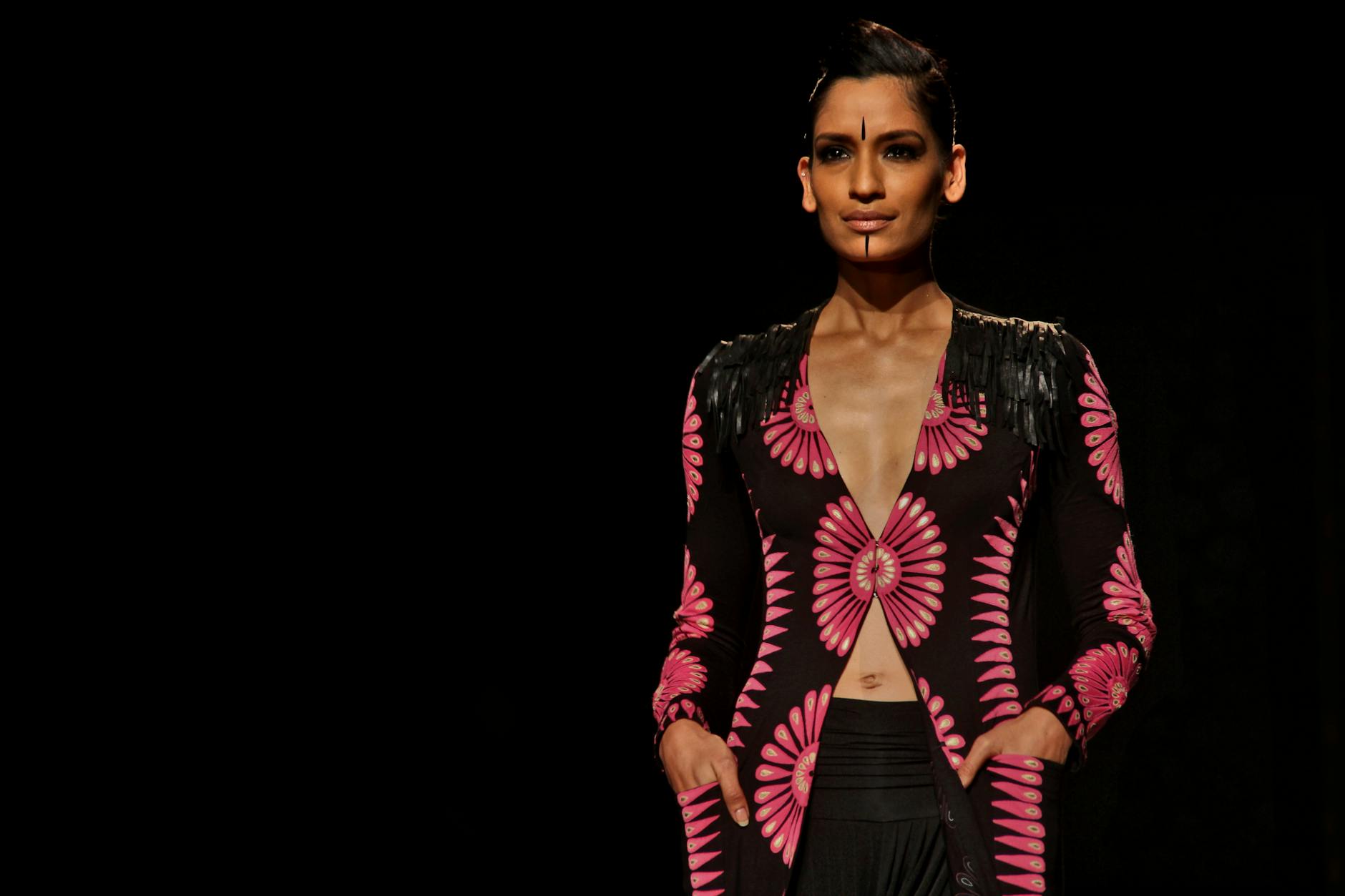
Sustainable fashion is the defining trend of Spring/Summer 2026, as major brands and designers embrace eco-friendly materials, ethical production, and circular design, reshaping the industry landscape.
Eco-conscious fashion has taken over Spring/Summer 2026, with designers and brands worldwide unveiling collections focused on sustainability, recycled materials, and ethical practices, according to Vogue and Business of Fashion reports released this week.
This season’s fashion weeks in Paris, Milan, New York, and London have all spotlighted sustainability as the central theme. Major labels such as Stella McCartney, Gucci, and emerging designers are prioritizing eco-friendly textiles and transparent supply chains, as reported by Reuters.
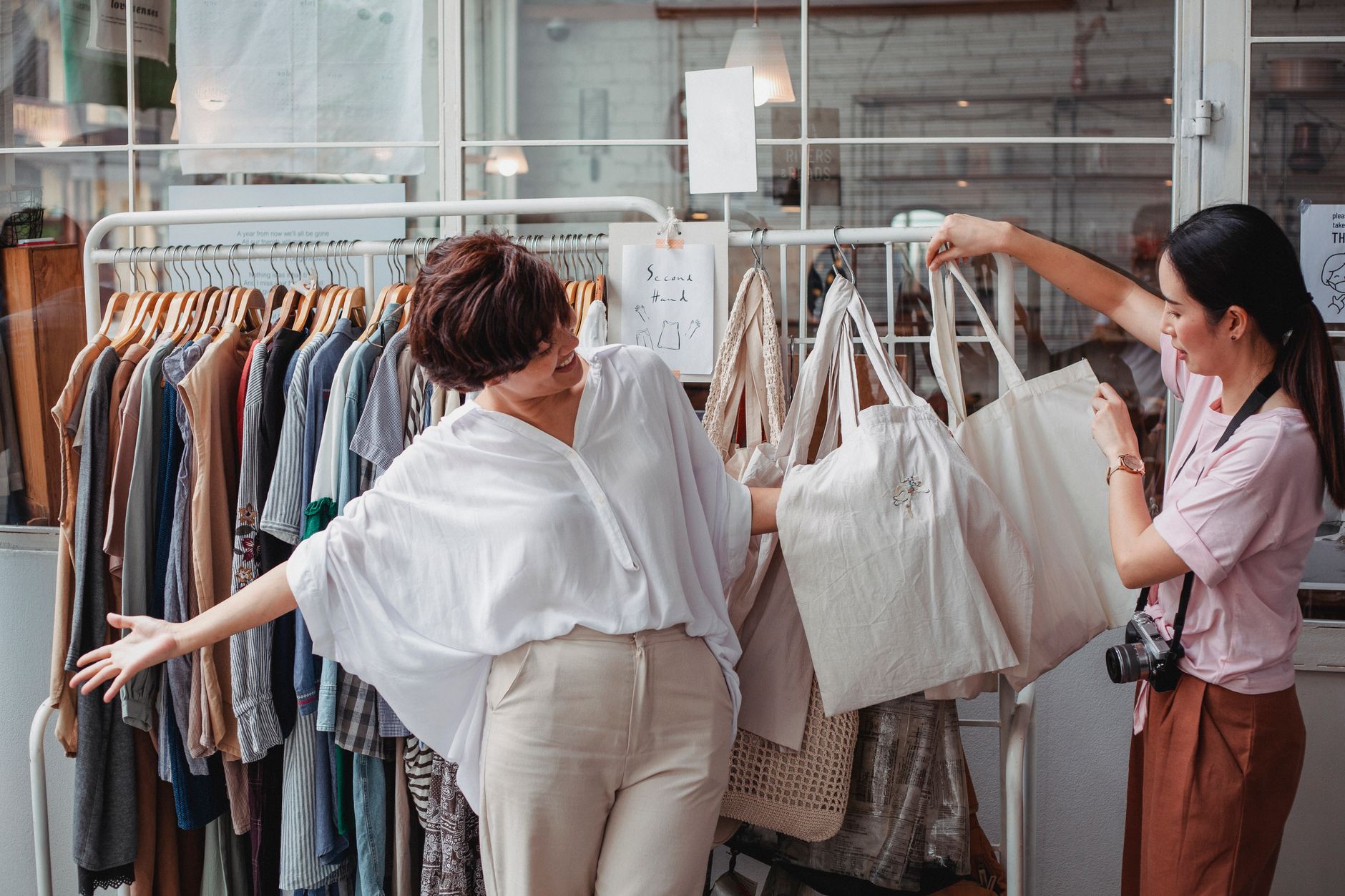
The shift comes amid growing consumer demand for ethical fashion. According to a 2026 survey by The Fashion Retailers Association, 68% of shoppers now consider sustainability a top priority when purchasing apparel.
Background: The Rise of Eco-Friendly Fashion
Sustainable fashion has evolved from a niche movement into a mainstream force. Over the past decade, the industry has faced mounting pressure to address its environmental impact. The United Nations Environment Programme estimates fashion accounts for 10% of global carbon emissions.
In response, brands have pledged to reduce waste, use renewable materials, and improve labor conditions. The 2026 season marks a turning point, with sustainability now driving creative direction and marketing strategies.
Key Details: What’s Trending on the Runway

Designers are showcasing garments made from organic cotton, bamboo, hemp, and recycled polyester. Stella McCartney’s collection featured vegan leather and upcycled denim, while Gucci introduced biodegradable accessories, as highlighted by The Guardian.
Color palettes are inspired by nature, with earthy tones, botanical prints, and oceanic blues dominating shows. Upcycling and patchwork aesthetics are prevalent, reflecting a move toward circular fashion and waste reduction.
The popularity of rental and resale platforms has surged. According to The Economic Times, rental fashion app usage rose by 35% in Q1 2026, as consumers seek to minimize their environmental footprint and embrace wardrobe rotation.
Analysis: Industry and Consumer Impact
Industry analysts note that sustainability is no longer a marketing ploy but a business imperative. Brands failing to adapt risk losing market share, especially among Gen Z and millennial shoppers, who drive 60% of fashion spending, per McKinsey & Company.
Retailers are investing in traceability technologies, such as blockchain, to provide transparency from farm to finished product. This move builds consumer trust and meets regulatory requirements introduced in the EU and US this year.

Fashion schools are updating curricula to focus on eco-design and ethical sourcing, preparing the next generation of designers for a greener industry. The Council of Fashion Designers of America reports a 40% increase in sustainability-focused course enrollment since 2024.
Challenges and Criticisms
Despite progress, critics warn of ‘greenwashing’—brands exaggerating sustainability claims. Watchdog groups like Fashion Revolution urge stricter oversight and standardized labeling to ensure accountability.
Cost remains a barrier for some consumers. Sustainable materials and ethical production often result in higher prices, though industry leaders predict economies of scale will drive costs down as demand grows.
What’s Next: The Future of Sustainable Fashion
Experts forecast that eco-chic will continue to shape fashion into 2027 and beyond. Innovations in biofabrication, such as lab-grown leather and compostable textiles, are expected to enter mainstream collections within the next year.
As sustainability becomes synonymous with style, the Spring/Summer 2026 season marks a pivotal moment in fashion history—one where environmental responsibility and creative expression walk hand in hand.
Sources
Vogue, Business of Fashion, Reuters, The Guardian, The Economic Times, United Nations Environment Programme, McKinsey & Company, Council of Fashion Designers of America, Fashion Revolution.Sources: Information sourced from Vogue, Business of Fashion, Reuters, The Guardian, and United Nations Environment Programme reports.