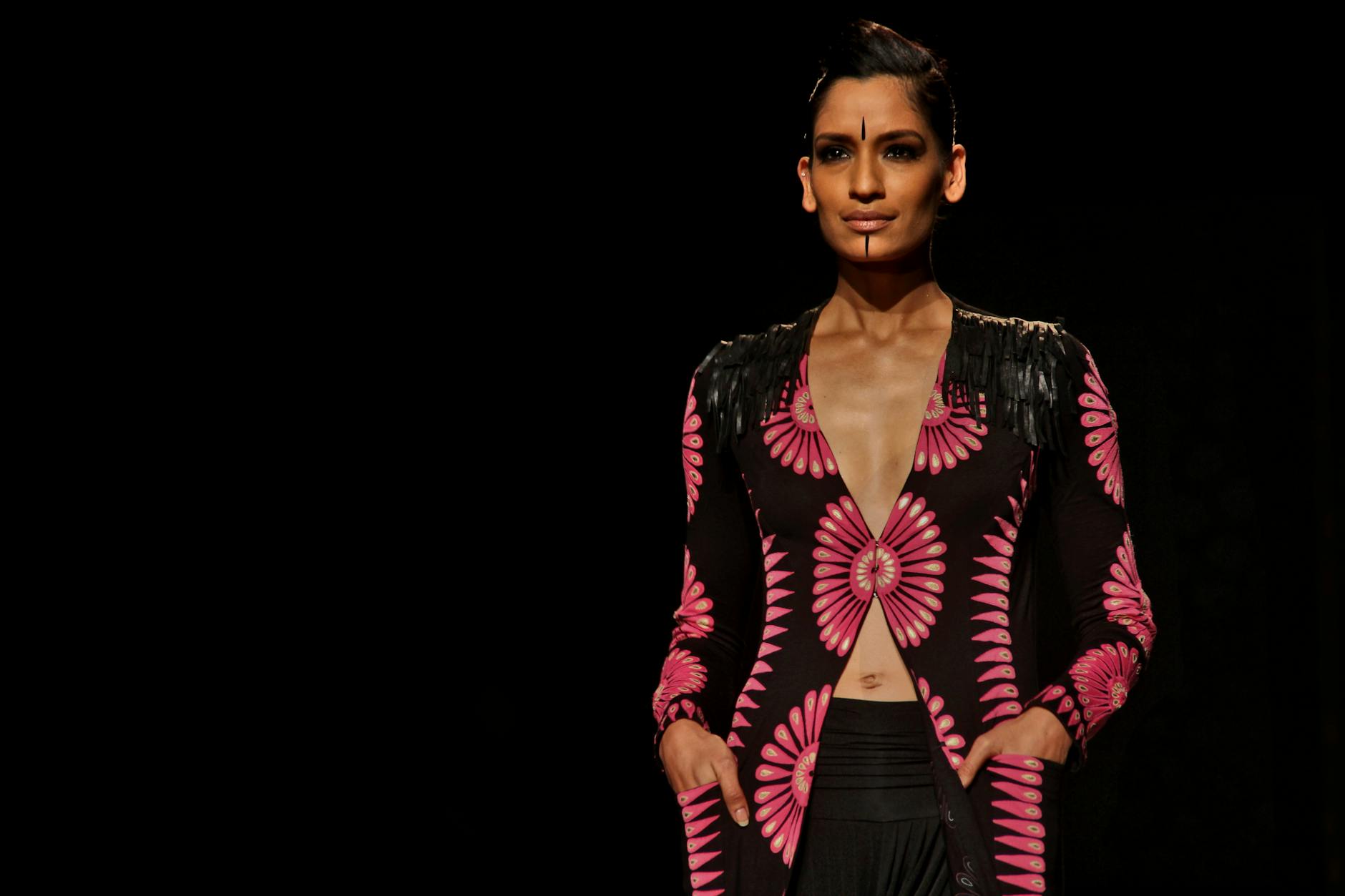
Sustainable fashion takes center stage for Spring/Summer 2026, with major brands and designers prioritizing eco-friendly materials, ethical production, and circular design, transforming the global fashion landscape.
Eco-friendly fashion is the defining trend of Spring/Summer 2026, as major designers and brands unveil collections prioritizing sustainability at Paris, Milan, and New York Fashion Weeks this March.
This season, sustainable materials and ethical production methods are at the forefront of the global fashion conversation. According to Vogue, top labels like Stella McCartney, Gucci, and Balenciaga have showcased collections made from recycled fabrics and plant-based dyes.

Background: The Rise of Sustainable Fashion
The push for eco-conscious fashion has accelerated over the past decade. Data from the Ellen MacArthur Foundation shows that the fashion industry is responsible for 10% of global carbon emissions, prompting both consumer and industry demand for change.In 2025, the United Nations launched the 'Fashion Industry Charter for Climate Action,' which set ambitious targets for brands to reduce emissions and waste. As reported by The Guardian, more than 100 brands have since pledged to meet these goals.
Key Details: Runway Highlights
At Paris Fashion Week, Stella McCartney debuted a collection using mushroom-based leather and biodegradable sequins, garnering praise from sustainability advocates (Reuters). Gucci's creative director Sabato De Sarno introduced denim made from hemp and recycled cotton.
Balenciaga's show in Milan featured upcycled outerwear and accessories crafted from ocean plastics. According to Business of Fashion, the brand partnered with environmental NGOs to source materials and offset the show's carbon footprint.
Emerging designers are also making an impact. Nigerian label Orange Culture presented vibrant, gender-fluid pieces using locally sourced organic cotton, while New York-based Collina Strada embraced zero-waste pattern cutting and natural dyes.
Consumer Demand Drives Change
According to a 2026 survey by McKinsey & Company, 72% of Gen Z and Millennial shoppers consider sustainability a top priority when purchasing clothing. This shift has prompted retailers like H&M and Zara to expand their eco-friendly lines.Online resale platforms such as Depop and Vestiaire Collective report record growth, as consumers increasingly seek secondhand and vintage options. The resale market is projected to reach $77 billion globally by 2028, according to ThredUp's 2026 Resale Report.
Innovative Materials and Circular Design
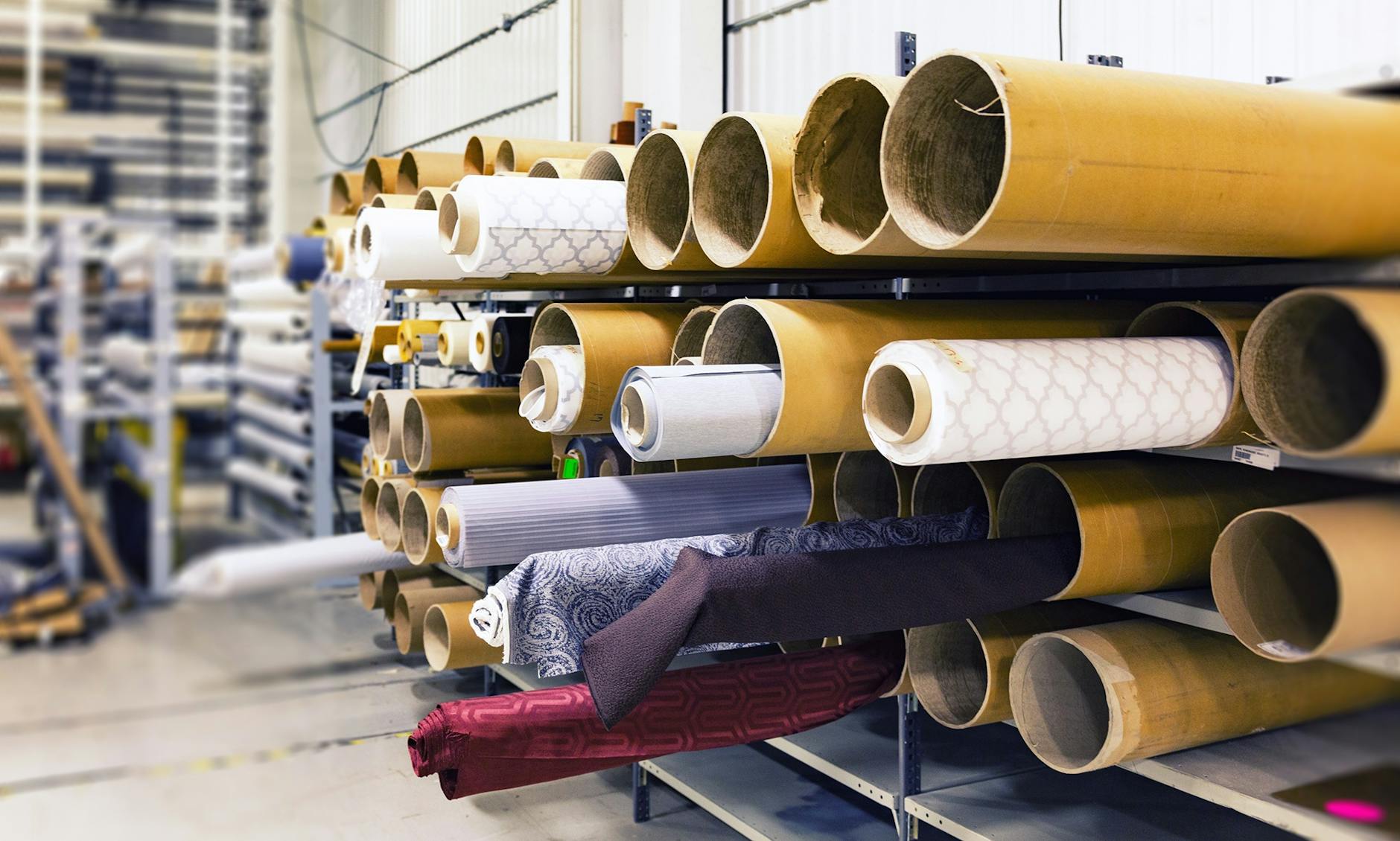
Textile innovation is a key driver of this season's trends. Designers are experimenting with fabrics made from pineapple leaves, seaweed, and even recycled coffee grounds, as reported by Fashionista.Circular design principles—where garments are designed for reuse, repair, or recycling—are gaining traction. Brands like Eileen Fisher and Patagonia have introduced take-back programs, encouraging customers to return worn items for refurbishment or recycling.
Industry Analysis: Challenges and Opportunities
Despite progress, significant challenges remain. According to the World Economic Forum, only 1% of clothing is recycled into new garments. Experts highlight the need for scalable recycling infrastructure and transparent supply chains.The cost of sustainable materials remains higher than conventional options, presenting barriers for smaller brands. However, as demand increases and technology advances, prices are expected to decrease, making eco-friendly fashion more accessible.
Impact on Global Fashion
The embrace of sustainability is reshaping the fashion calendar. Several brands have adopted 'see now, buy now' models to reduce overproduction, while others are limiting the number of seasonal collections to minimize waste (WWD).
Luxury brands are also investing in traceability technologies, such as blockchain, to provide consumers with detailed information about a garment's origin and environmental impact. This transparency is becoming a key differentiator in the market.
What's Next: The Future of Sustainable Fashion
Industry leaders predict that sustainability will remain central to fashion's evolution. The European Union is set to introduce stricter regulations on textile waste and greenwashing by 2027, according to Politico.Fashion schools worldwide are updating curricula to emphasize eco-design and ethical sourcing, preparing the next generation of designers to lead the charge. Collaborative efforts between brands, governments, and consumers will be crucial for lasting change.
Conclusion
As Spring/Summer 2026 unfolds, sustainable fashion is not just a trend but a movement reshaping the industry. With innovation, transparency, and consumer engagement, eco-conscious couture is poised to define the future of style.Sources
Information in this article was sourced from Vogue, Reuters, The Guardian, Business of Fashion, Fashionista, McKinsey & Company, ThredUp, World Economic Forum, and Politico.Sources: Information sourced from Vogue, Reuters, The Guardian, and Business of Fashion reports.