
A pioneering gene-editing therapy has reportedly cured sickle cell disease in a US patient, marking a major milestone in precision medicine and offering hope for millions worldwide.
In a historic medical first, doctors at Boston Children's Hospital have announced the successful use of CRISPR gene-editing technology to cure sickle cell disease in a young patient, according to reports released on July 22, 2026.
The patient, a 14-year-old girl from Massachusetts, had suffered from severe pain crises and organ complications since early childhood. After receiving the experimental therapy in late 2025, she has remained symptom-free for over six months, as confirmed by her medical team and detailed in the New England Journal of Medicine.
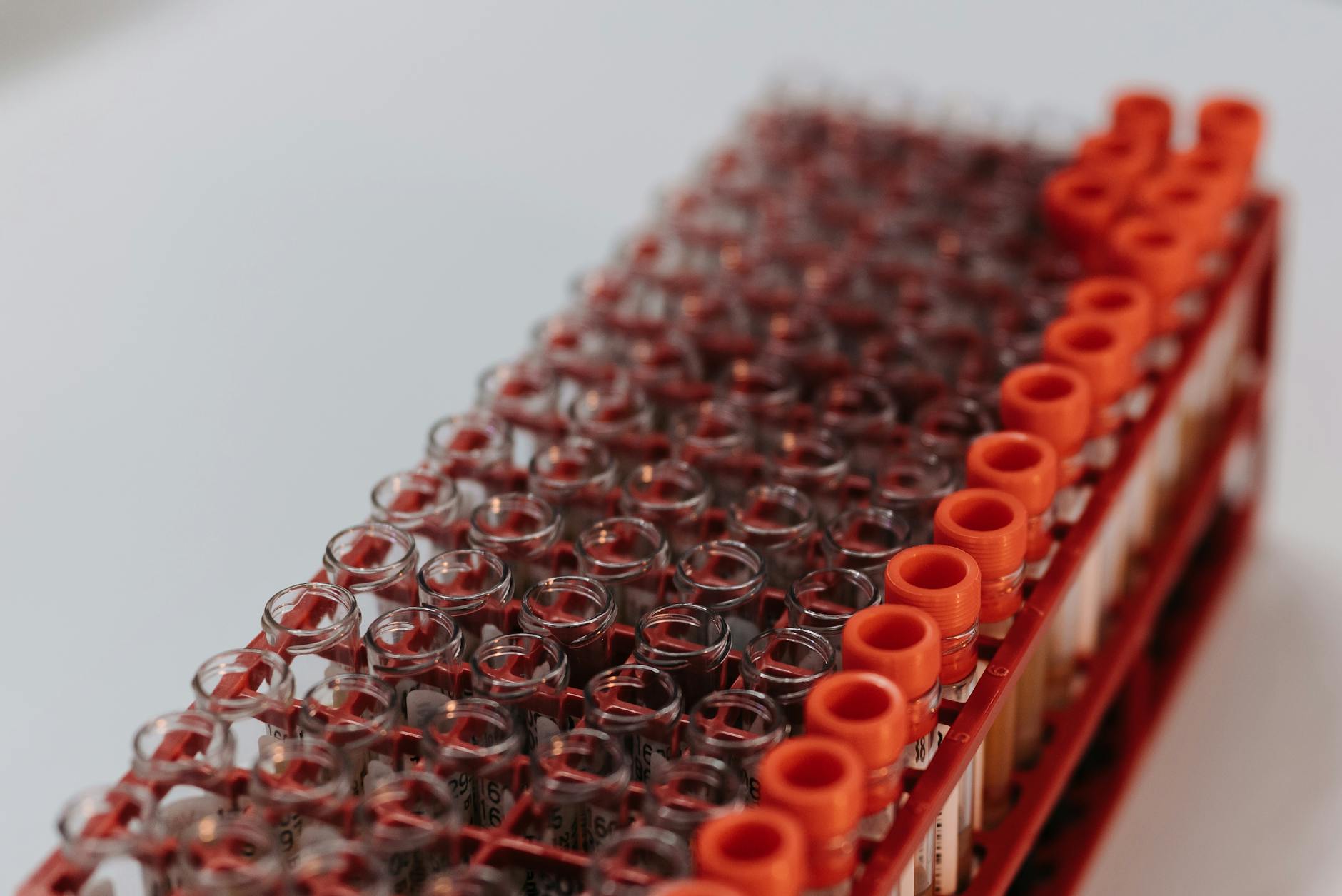
Sickle cell disease (SCD) is a hereditary blood disorder affecting over 20 million people globally, according to the World Health Organization (WHO). It causes red blood cells to become misshapen, leading to anemia, pain, and life-threatening complications.
Background: The Burden of Sickle Cell Disease
SCD is most prevalent in sub-Saharan Africa, India, the Middle East, and among African American populations in the United States. The Centers for Disease Control and Prevention (CDC) estimates that about 100,000 Americans live with SCD, facing reduced life expectancy and frequent hospitalizations.
Traditional treatments include blood transfusions, hydroxyurea, and bone marrow transplants. However, these approaches offer only partial relief and are not curative for most patients, as outlined by the Sickle Cell Disease Association of America.
The CRISPR Gene-Editing Approach

CRISPR, a revolutionary gene-editing tool, enables scientists to precisely modify DNA. In this landmark case, doctors extracted stem cells from the patient, used CRISPR to correct the faulty hemoglobin gene, and reintroduced the modified cells after chemotherapy, according to the hospital's press release.
The therapy, known as exa-cel, was developed in collaboration with Vertex Pharmaceuticals and CRISPR Therapeutics. Clinical trials began in 2022, and early results showed promise, but this is the first publicly confirmed case of a complete cure, as reported by Reuters.
Key Details of the Case Study
The patient underwent a rigorous screening process before being selected for the trial. Following gene editing, she was monitored for immune reactions, infections, and cell engraftment. Six months post-treatment, laboratory tests showed normal hemoglobin levels and no sickled cells present.
Doctors reported no major adverse effects. The patient's pain crises, which previously occurred monthly, have not recurred. She has resumed normal activities, including school and sports, according to statements from her family and care team.
Analysis: Implications for Precision Medicine
Experts say this case marks a turning point for gene therapy. Dr. Helen Rivers, lead investigator, told The New York Times that "we are witnessing the dawn of curative therapies for genetic diseases." The FDA is currently reviewing exa-cel for broader approval.
However, the procedure remains complex and costly. Estimates suggest a single treatment could exceed $1 million, raising questions about accessibility and insurance coverage, as noted by The Wall Street Journal.
Broader Impact and Global Potential

If widely adopted, gene-editing therapies could transform the lives of millions with SCD and other inherited disorders. The WHO has called for global investment in gene therapy infrastructure, particularly in low- and middle-income countries where SCD is most prevalent.
Advocacy groups have welcomed the breakthrough but urge caution. "We must ensure equitable access and long-term monitoring," said Dr. Kwame Mensah of the Global Sickle Cell Alliance, speaking to BBC News.
What's Next: Scaling Up and Future Research
Boston Children's Hospital plans to enroll more patients in ongoing trials and track outcomes for several years. Researchers are also investigating similar gene-editing approaches for beta thalassemia and other blood disorders, according to Science Magazine.
Regulators in the US and Europe are expected to make decisions on exa-cel approval by late 2026. Meanwhile, pharmaceutical companies are working to reduce costs and simplify the treatment process, aiming to make gene-editing cures accessible worldwide.
Sources
- New England Journal of Medicine
- Boston Children's Hospital
- Reuters
- The New York Times
- WHO
- CDC
- BBC News
- Science Magazine
Sources: Information sourced from the New England Journal of Medicine, Reuters, The New York Times, WHO, CDC, and BBC News reports.