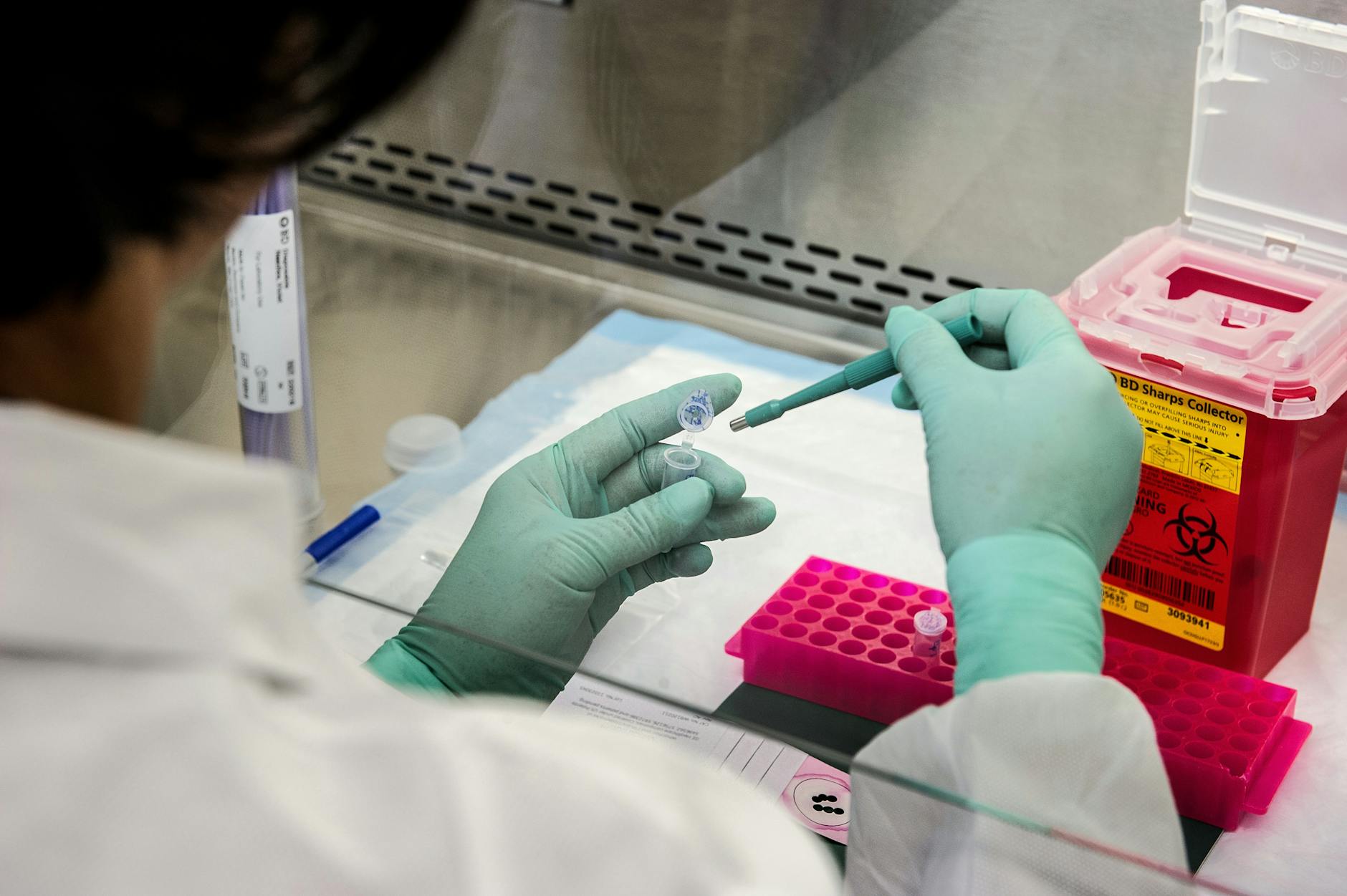
A groundbreaking gene-editing therapy has shown remarkable results in treating sickle cell disease, according to a new case study published this week. Experts hail it as a medical milestone.
In a landmark medical development, researchers announced on April 7, 2026, that a gene-editing therapy has successfully cured a patient of sickle cell disease for the first time, according to findings published in The New England Journal of Medicine.
The patient, a 27-year-old woman from Atlanta, underwent the experimental CRISPR-based treatment at Emory University Hospital in late 2025. Within months, her symptoms vanished, and follow-up tests in March 2026 showed no signs of the disease, as reported by Reuters.

Background: Sickle Cell Disease and Its Challenges
Sickle cell disease (SCD) is a hereditary blood disorder affecting over 20 million people worldwide, according to the World Health Organization (WHO). The disease causes red blood cells to become misshapen, leading to severe pain, organ damage, and reduced life expectancy.Traditional treatments for SCD include blood transfusions, pain management, and hydroxyurea. However, these options only alleviate symptoms and do not offer a cure. Bone marrow transplants can cure SCD but are limited by donor availability and risks of rejection.
The Breakthrough: CRISPR Gene-Editing Therapy
The new therapy utilizes CRISPR-Cas9, a revolutionary gene-editing technology that allows scientists to precisely modify DNA sequences. In this case study, researchers targeted the BCL11A gene, which suppresses fetal hemoglobin production.By editing the patient's stem cells to deactivate BCL11A, the therapy reactivated fetal hemoglobin production. This hemoglobin type is not affected by the sickle mutation, effectively eliminating the disease's symptoms, according to The New England Journal of Medicine.

Case Study Details: Procedure and Results
The patient underwent a stem cell harvest, followed by ex vivo gene editing using CRISPR. After conditioning chemotherapy, the modified cells were infused back into her body.Within six weeks, her blood tests revealed rising levels of fetal hemoglobin. By the three-month mark, she reported no pain crises, and her hemoglobin levels stabilized within the normal range, as documented in the published case report.
At the six-month and one-year follow-ups, the patient remained symptom-free, with no hospitalizations or complications. Genetic analysis confirmed the persistence of edited cells and continued production of fetal hemoglobin.
Expert Analysis and Reactions
Dr. Lisa Nguyen, a hematologist at Johns Hopkins University, called the results "a historic milestone for genetic medicine." She noted that while previous trials showed promise, this case is the first to document a complete and sustained remission.The case study also addresses safety concerns. No off-target genetic effects or adverse reactions were observed, according to the Emory research team. However, experts caution that long-term monitoring is essential.

Implications for Patients and Healthcare Systems
SCD disproportionately affects people of African descent, with significant health and economic burdens. The Centers for Disease Control and Prevention (CDC) estimates that SCD costs the U.S. healthcare system over $1 billion annually.If gene-editing therapies become widely available, they could transform care for millions. However, costs remain high, with current estimates exceeding $1 million per patient, according to The Economic Times.
Ethical and Regulatory Considerations
The therapy's success raises ethical questions about access, affordability, and the long-term effects of gene editing. The U.S. Food and Drug Administration (FDA) is reviewing expanded clinical trial data to determine broader approval.Advocacy groups urge policymakers to ensure equitable access, especially for underserved populations. "We must not let this become a treatment only for the privileged," said Dr. Michael Adeyemi, director of the Sickle Cell Foundation of America.
What’s Next: Scaling Up and Future Research
The Emory team is enrolling more patients in a phase 3 trial, with results expected later this year. Researchers are also investigating similar gene-editing approaches for beta-thalassemia and other inherited blood disorders.Pharmaceutical companies are partnering with academic centers to develop scalable manufacturing processes. If successful, experts predict gene-editing therapies could be approved for broader use by 2027, according to Reuters.
Conclusion: A New Era in Genetic Medicine
The successful treatment of sickle cell disease using CRISPR gene editing marks a turning point in personalized medicine. While challenges remain, this case study offers hope for millions and sets the stage for future breakthroughs.Sources
Information for this article was sourced from The New England Journal of Medicine, Reuters, The Economic Times, the World Health Organization, and the Centers for Disease Control and Prevention.Sources: Information sourced from The New England Journal of Medicine, Reuters, The Economic Times, WHO, and CDC reports.