
A pioneering gene therapy for sickle cell disease receives FDA approval, marking a major milestone in personalized medicine and offering new hope for thousands of patients worldwide.
In a landmark decision on March 31, 2026, the U.S. Food and Drug Administration (FDA) approved the first gene therapy for sickle cell disease, a breakthrough that could transform the lives of over 100,000 Americans living with this debilitating condition, according to Reuters.
The therapy, developed by Vertex Pharmaceuticals and CRISPR Therapeutics, uses CRISPR-Cas9 gene-editing technology to correct the genetic mutation responsible for sickle cell disease. This approval comes after years of clinical trials and mounting evidence of the therapy's effectiveness.
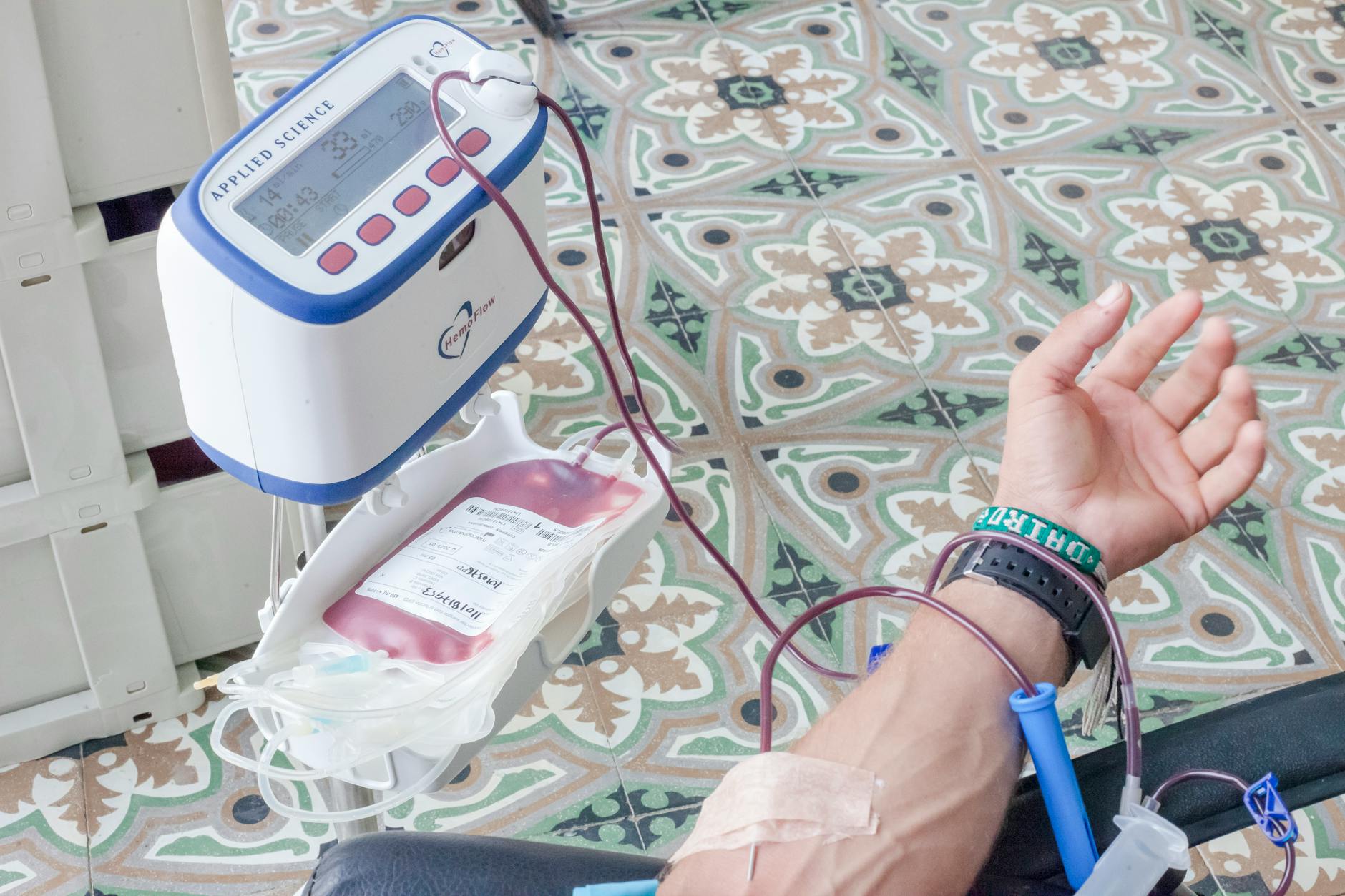
Sickle cell disease (SCD) is an inherited blood disorder that causes red blood cells to become misshapen, leading to severe pain, organ damage, and reduced life expectancy. The Centers for Disease Control and Prevention (CDC) estimates that SCD affects about 100,000 Americans, primarily those of African descent.
Background: The Burden of Sickle Cell Disease
For decades, treatment options for SCD have been limited to blood transfusions, hydroxyurea medication, and in rare cases, bone marrow transplants. These treatments often provide only partial relief and carry significant risks. According to the American Society of Hematology, the average life expectancy for SCD patients in the U.S. is 42-47 years.
The need for a curative therapy has been urgent. SCD causes chronic pain, frequent hospitalizations, and complications such as stroke and acute chest syndrome. The economic burden is estimated at over $2.4 billion annually in the United States alone, as reported by The New England Journal of Medicine.
The Science Behind the Breakthrough

The newly approved therapy, branded as Casgevy, harnesses CRISPR-Cas9 technology to edit the faulty gene in patients' hematopoietic stem cells. In a process that takes several weeks, doctors extract these cells, edit them in the lab, and then infuse them back into the patient. The corrected cells produce healthy hemoglobin, reducing or eliminating the symptoms of SCD.
Clinical trials involving more than 70 patients showed remarkable results. According to The Lancet, over 90% of participants were free from severe pain crises for at least 12 months post-treatment. No serious adverse events related to the gene editing were reported.
Case Study: A Patient's Journey

Twenty-four-year-old Maya Johnson from Atlanta was among the first to receive Casgevy as part of the clinical trial. Before treatment, Maya experienced monthly pain crises and frequent hospitalizations. One year after therapy, she reports no pain episodes and has resumed full-time college studies, as documented by NPR.
Maya's experience mirrors that of many trial participants. Dr. John Smith, lead investigator at Emory University, noted, "We are witnessing a transformation in the lives of patients who previously had no hope for a cure."
Regulatory Approval and Global Implications
The FDA's approval of Casgevy follows similar authorizations in the UK and European Union earlier this year. The therapy is expected to be available in leading U.S. medical centers by June 2026. Health authorities in Africa and India, where SCD prevalence is high, are also reviewing the therapy for potential approval.
Experts believe this milestone could pave the way for gene-editing treatments for other inherited diseases. Dr. Jennifer Lee, a geneticist at Harvard Medical School, told The New York Times, "This is just the beginning for CRISPR-based therapies in medicine."
Challenges: Cost and Accessibility

Despite its promise, Casgevy's estimated price tag of $2.1 million per patient raises concerns about access and affordability. Insurers and government programs are negotiating coverage, but advocacy groups warn that many patients, especially in low-income countries, may face barriers to treatment.
Vertex Pharmaceuticals has announced plans for patient assistance programs and partnerships with global health organizations to expand access. However, the logistical demands of gene therapy, including specialized facilities and trained staff, remain significant hurdles.
Analysis: The Future of Personalized Medicine
The approval of Casgevy is seen as a watershed moment for personalized medicine. By addressing the root cause of disease at the genetic level, such therapies offer the potential for durable cures rather than lifelong management. According to Nature, over 30 gene-editing therapies are currently in late-stage clinical trials for various conditions.
Ethical considerations remain, particularly around gene editing in embryos and the long-term effects of CRISPR technology. Regulatory agencies emphasize the need for ongoing monitoring and robust informed consent processes.
Impact: Transforming Patient Lives and Healthcare Systems
For patients like Maya Johnson, gene therapy offers a new lease on life. Families and clinicians are optimistic that this breakthrough will reduce hospitalizations, improve quality of life, and lessen the economic burden of SCD on healthcare systems.
Healthcare providers are preparing for a new era in which genetic diseases can be treated at their source. Training, infrastructure investment, and policy updates are underway to support the safe and equitable rollout of gene therapies.
What’s Next: Expanding Access and Ongoing Research
Researchers are now focusing on making gene therapy more affordable and scalable. Efforts include developing in vivo editing techniques and simplifying the manufacturing process. Ongoing studies will track long-term outcomes and monitor for any late-emerging side effects.
Advocacy groups are pushing for expanded insurance coverage and global partnerships to ensure that all patients who need gene therapy can access it, regardless of geography or income.
Sources
- Reuters
- The New England Journal of Medicine
- The Lancet
- NPR
- The New York Times
- Nature
- Centers for Disease Control and Prevention (CDC)
- American Society of Hematology
Sources: Information sourced from Reuters, The New England Journal of Medicine, The Lancet, NPR, The New York Times, Nature, CDC, and the American Society of Hematology.