Background: Rising Cyber Threats in Banking
The financial industry has faced escalating cyber threats in recent years, with attackers increasingly targeting banks for their valuable data. According to a 2025 report by the Financial Stability Board, cyberattacks on banks rose by 38% year-on-year, highlighting systemic vulnerabilities. This latest breach is the largest since the 2023 ransomware attack that disrupted European payment systems, as reported by The Economic Times.
Scope of the Breach
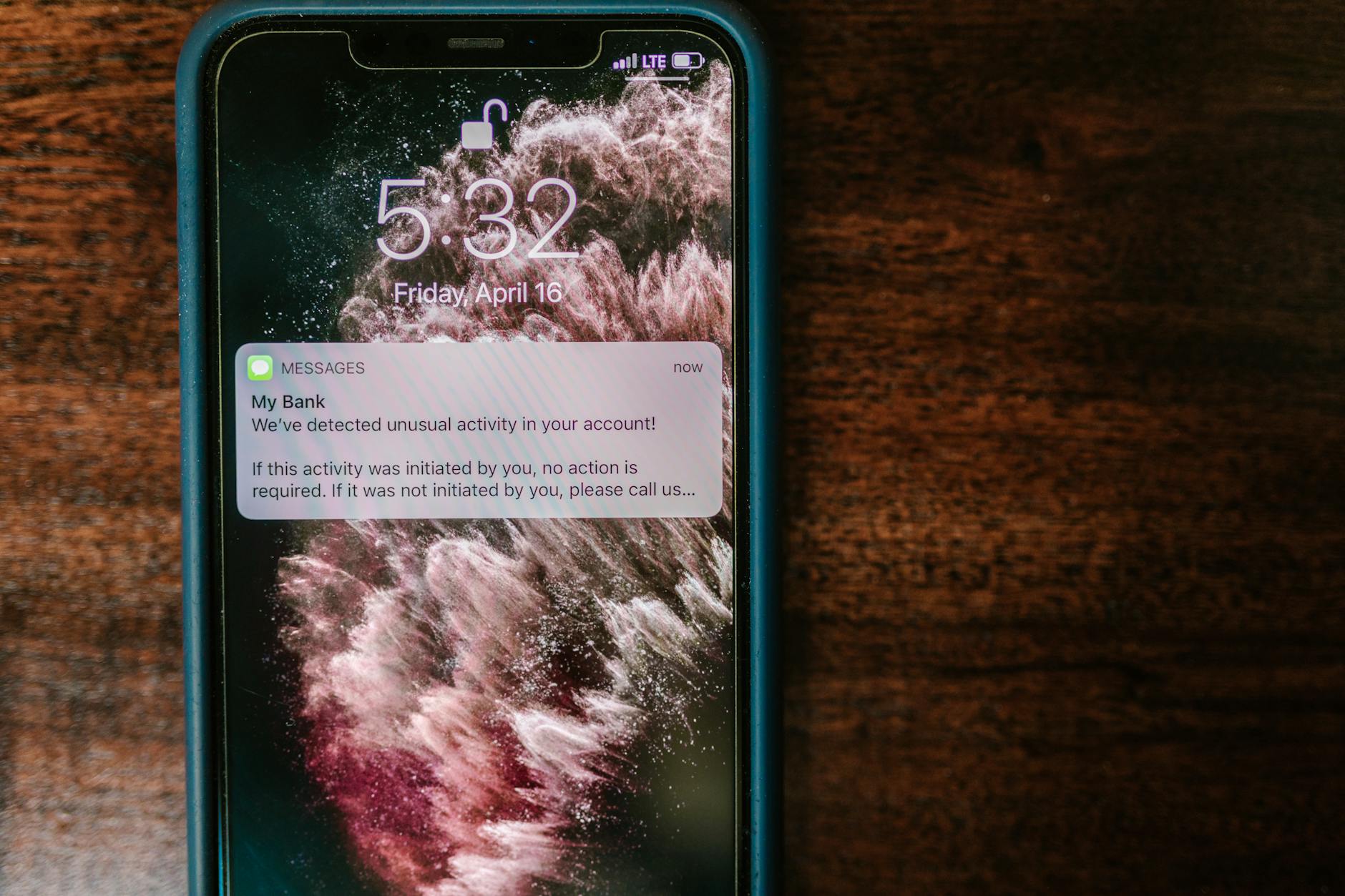
Initial investigations reveal that the cyberattack affected at least seven major banks, including institutions in the United States, United Kingdom, and Asia-Pacific regions. Data compromised includes names, account numbers, email addresses, and in some cases, partial social security numbers, according to statements from the affected banks. No direct financial losses have been reported yet, but experts warn that the stolen data could be used for identity theft and phishing scams.
Attack Methodology
Cybersecurity analysts from Kaspersky and Symantec have traced the breach to a sophisticated phishing campaign combined with exploitation of a zero-day vulnerability in widely used banking software. The attackers reportedly gained access by sending spear-phishing emails to IT administrators, allowing them to bypass multi-factor authentication protocols and escalate privileges within internal networks.
Immediate Response by Banks
Upon discovery, affected banks initiated emergency protocols, including isolating compromised servers and notifying regulatory authorities such as the U.S. Securities and Exchange Commission (SEC) and the UK Financial Conduct Authority (FCA). Customers have been advised to monitor their accounts for suspicious activity and to update their passwords, according to official bank communications.
Regulatory and Government Involvement
Governments and international agencies have responded swiftly. The U.S. Department of Homeland Security (DHS) and Interpol have launched joint investigations, while the European Central Bank (ECB) has called for an emergency meeting with major financial institutions to assess systemic risks. Regulators are urging banks to review and upgrade their cybersecurity frameworks immediately.
Data Privacy Implications
This breach raises significant concerns about data privacy, especially under regulations such as the General Data Protection Regulation (GDPR) and the California Consumer Privacy Act (CCPA). Legal experts warn that banks could face hefty fines and lawsuits if found negligent in protecting customer data, as outlined in recent guidance from the International Association of Privacy Professionals (IAPP).

Impact on Customers
Millions of customers are now at risk of identity theft and financial fraud. According to the Identity Theft Resource Center, breaches of this magnitude often lead to spikes in phishing attempts, fraudulent credit applications, and unauthorized transactions. Banks have set up dedicated hotlines and are offering free credit monitoring services to affected individuals.
Expert Analysis: How Did This Happen?
Cybersecurity experts point to a combination of outdated software, insufficient employee training, and increasingly sophisticated attack vectors. According to a 2026 Gartner report, 62% of financial institutions still rely on legacy systems that are difficult to patch against new threats. The attackers’ use of zero-day exploits underscores the need for proactive threat intelligence and continuous monitoring.
Industry-Wide Repercussions
The breach has sent shockwaves through the global banking sector. Stock prices of major banks fell by an average of 4% on July 19, according to Bloomberg. Industry groups such as the Bank Policy Institute have called for immediate sector-wide cybersecurity audits and increased investment in digital defenses.
Calls for Stronger Cybersecurity Measures
Regulators and advocacy groups are demanding that banks adopt advanced security technologies, including AI-powered threat detection and biometric authentication. The World Economic Forum’s 2026 Global Risks Report identifies cyberattacks on financial institutions as a top threat to global economic stability, urging coordinated international action.
International Cooperation and Policy Updates
In response to the breach, the G20 Cybersecurity Task Force has announced plans to accelerate the rollout of new cross-border data protection standards. The Financial Action Task Force (FATF) is also reviewing guidelines for reporting and mitigating cyber incidents, aiming to strengthen global resilience against similar attacks.
What Customers Should Do Now
Security experts recommend that customers affected by the breach immediately change their online banking passwords, enable two-factor authentication, and monitor their financial statements for unusual activity. The Federal Trade Commission (FTC) has published updated guidelines for consumers to protect themselves from identity theft and phishing scams.
Future Risks and Trends
Analysts warn that cybercriminals are likely to target other sectors using similar tactics. According to IBM’s 2026 X-Force Threat Intelligence Index, financial services remain the most attacked industry, but healthcare and energy are increasingly at risk. The rapid evolution of AI-driven cyberattacks poses new challenges for defenders.
What’s Next for the Banking Sector?
In the coming weeks, banks are expected to roll out enhanced security protocols, conduct forensic audits, and collaborate with law enforcement agencies to track down the perpetrators. Industry leaders are calling for greater transparency and information sharing to prevent future incidents.
Long-Term Implications for Data Privacy
The breach is likely to accelerate regulatory reforms and drive investment in next-generation cybersecurity solutions. Experts predict that customer trust will hinge on how effectively banks respond and improve their data protection measures in the aftermath of this incident.
Sources
Information for this article was sourced from Reuters, The Economic Times, Bloomberg, Kaspersky, Symantec, the Financial Stability Board, and official statements from affected banks and regulatory agencies.
Sources: Information sourced from Reuters, The Economic Times, Bloomberg, Kaspersky, Symantec, and official statements from affected banks and regulators.