
A coordinated cyberattack on major international banks has compromised millions of customer accounts, raising urgent concerns over cybersecurity practices and data privacy in the financial sector.
On July 23, 2026, a coordinated cyberattack targeted several major international banks, compromising sensitive data from millions of customer accounts and igniting global alarm over cybersecurity vulnerabilities in the financial sector, according to Reuters.
The attack, which began in the early hours of July 23, was first detected by cybersecurity teams at EuroBank and quickly spread to at least six other multinational banks, including institutions in the United States, Europe, and Asia. The breach is believed to be one of the most significant in recent years, both in scale and sophistication.
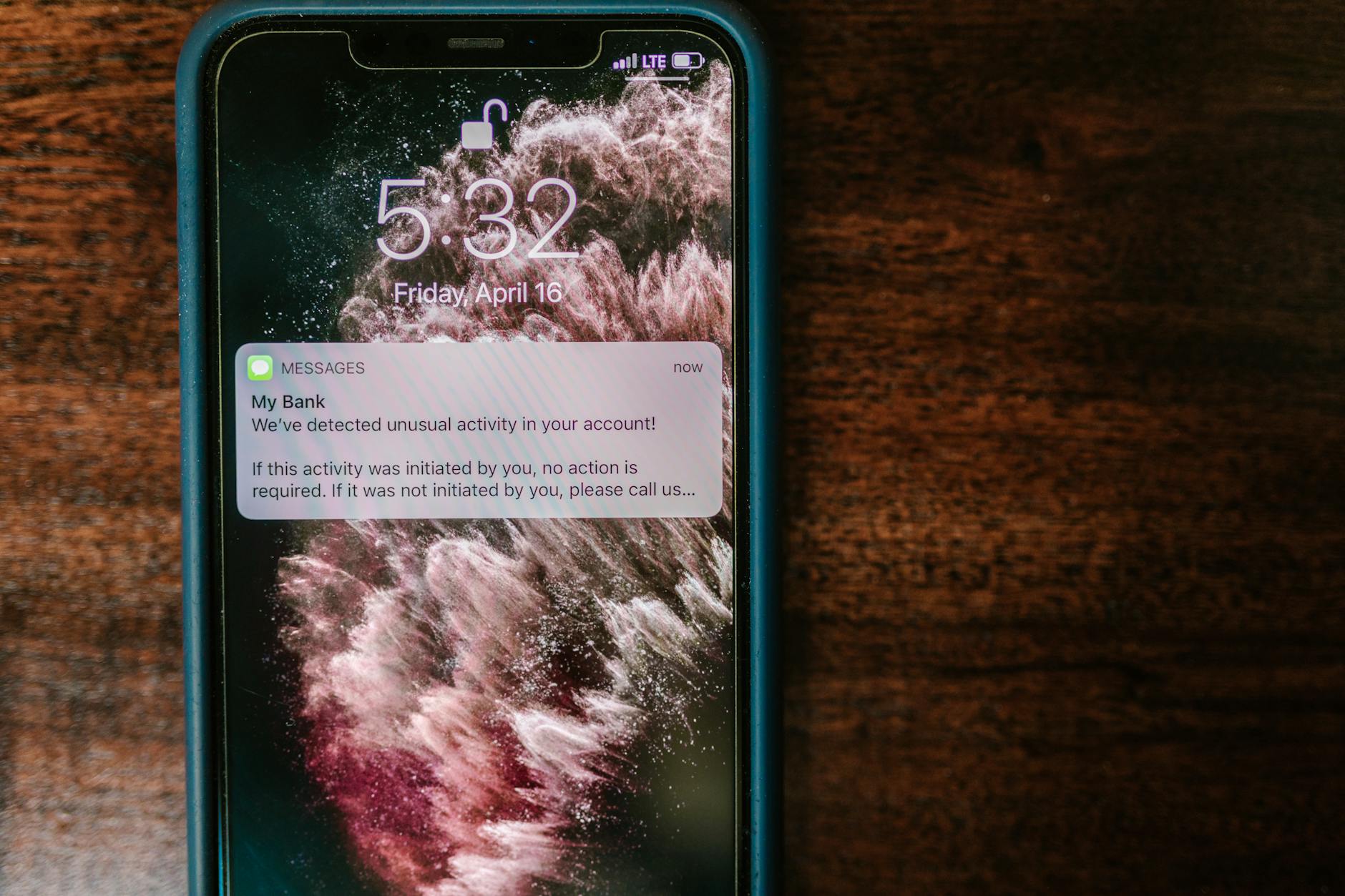
According to a joint statement released by the affected banks, hackers exploited zero-day vulnerabilities in widely used financial software to gain unauthorized access to internal systems. The attackers reportedly bypassed multi-factor authentication protocols, allowing them to exfiltrate customer data, including names, account numbers, and transaction histories.
Background: Growing Threats to Financial Institutions
Cybersecurity threats targeting banks have been escalating in frequency and complexity. According to a 2025 report by the World Economic Forum, the financial sector experienced a 40% increase in cyberattacks over the past two years, with ransomware and data breaches leading the list of threats.
The latest attack comes just months after the International Monetary Fund (IMF) warned of systemic risks posed by cyber incidents in global finance. As digital banking adoption accelerates, so does the attack surface for cybercriminals.
How the Attack Unfolded
Investigators from the European Union Agency for Cybersecurity (ENISA) and the U.S. Cybersecurity and Infrastructure Security Agency (CISA) revealed that the attackers used a combination of phishing emails and malicious software updates to infiltrate bank networks. The phishing campaign targeted bank employees with convincing messages that mimicked internal communications.
Once inside the network, the hackers deployed custom malware designed to evade detection by traditional antivirus tools. According to The Economic Times, the malware exploited a previously unknown flaw in the banks' transaction monitoring software, allowing lateral movement across systems.
Scope of the Data Breach
Preliminary estimates suggest that personal and financial data from at least 12 million customer accounts have been compromised. The breach affects customers in more than 20 countries, with the largest impact reported in the United States, Germany, and Singapore.
In addition to customer data, the attackers are believed to have accessed internal communications and risk assessment documents. While no funds have been reported stolen, the exposure of sensitive information poses long-term risks of identity theft and financial fraud.
Immediate Response and Containment Efforts
Affected banks have initiated emergency protocols, including temporarily disabling online banking services and resetting customer passwords. According to statements from CISA, forensic teams are working around the clock to identify the full extent of the breach and prevent further data loss.
Regulators in the European Union, United States, and Asia have launched parallel investigations. The European Central Bank (ECB) has called for an emergency summit to assess the systemic risk posed by the breach and to coordinate a unified response.
Data Privacy Implications and Regulatory Scrutiny
The breach has reignited debate over data privacy standards in banking. Under the EU’s General Data Protection Regulation (GDPR), banks must notify affected customers within 72 hours of discovering a breach. U.S. regulators are also pressing for immediate disclosure and remediation plans.
Privacy advocates warn that the incident demonstrates persistent gaps in banks’ data protection strategies. As reported by The Wall Street Journal, lawmakers in several countries are now calling for stricter cybersecurity mandates and increased penalties for non-compliance.
Analysis: Who Is Behind the Attack?
While no group has claimed responsibility, cybersecurity experts suggest the operation bears hallmarks of state-sponsored actors. The attack’s level of coordination and use of advanced persistent threat (APT) techniques indicate significant resources and planning, according to Mandiant analysts.
Some intelligence officials point to possible links with groups previously associated with attacks on financial infrastructure in Eastern Europe and East Asia. However, investigations are ongoing, and attribution remains inconclusive.
Impact on Customers and the Banking Industry
For affected customers, the immediate risk is identity theft and unauthorized financial activity. Banks have urged customers to monitor their accounts closely, enable account alerts, and report suspicious transactions immediately.

The incident is expected to have long-term repercussions for the banking industry. According to Gartner, global spending on cybersecurity by financial institutions is projected to rise by 18% in 2027 as a result of this breach.
What’s Next: Strengthening Defenses and Policy Reforms
Banks are now accelerating the rollout of enhanced security measures, including biometric authentication, AI-powered anomaly detection, and zero-trust network architectures. Industry groups are calling for greater information sharing and joint defense initiatives.
On the policy front, lawmakers in the EU and U.S. are drafting new regulations to mandate regular cybersecurity audits and require faster breach reporting. The IMF has urged global coordination to address cross-border cyber risks in finance.
Lessons Learned and Future Challenges
Experts warn that as attackers become more sophisticated, banks must adopt a proactive, layered defense strategy. Continuous employee training, real-time threat intelligence, and regular penetration testing are now considered essential.
The July 2026 cyberattack serves as a stark reminder of the evolving threat landscape. As digital banking continues to expand, robust cybersecurity and data privacy protections will be critical to maintaining public trust.
Sources
Information in this article was sourced from Reuters, The Economic Times, The Wall Street Journal, World Economic Forum reports, IMF statements, and official releases from CISA and ENISA.Sources: Information sourced from Reuters, The Economic Times, The Wall Street Journal, World Economic Forum reports, IMF statements, and official releases from CISA and ENISA.