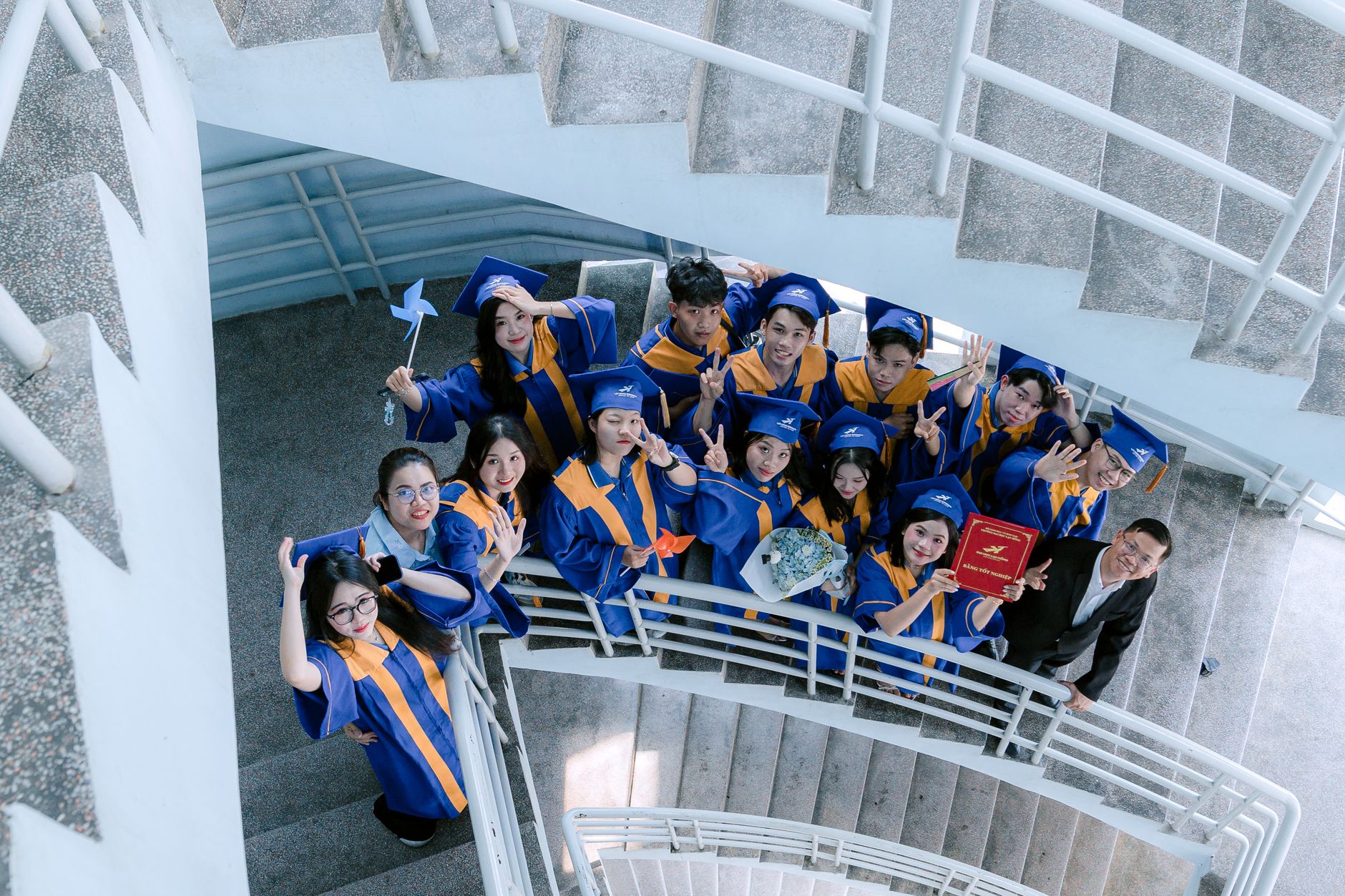
The Indian government has unveiled a $1 billion STEM scholarship initiative, aiming to support underprivileged students nationwide. The program targets increased diversity and innovation in science and technology fields.
New Delhi, July 13, 2026 — The Indian government has announced a landmark $1 billion scholarship initiative aimed at supporting underprivileged students pursuing STEM (Science, Technology, Engineering, and Mathematics) education, in a move officials say will transform access to higher education and boost national innovation, according to The Economic Times.
The scheme, unveiled by Education Minister Dr. Meera Rathi in New Delhi on Monday, is set to benefit over 500,000 students annually. The program specifically targets students from economically weaker sections, with a focus on increasing representation of girls and marginalized communities in STEM fields, as reported by The Hindu.

This initiative comes amid growing concerns about the underrepresentation of disadvantaged groups in India’s booming technology sector. Data from the Ministry of Education shows that while STEM enrollments have doubled in the past decade, participation from rural and low-income backgrounds remains below 20%.
Background: Addressing Inequality in STEM
India’s STEM sector has long grappled with issues of access and equity. According to a 2025 UNESCO report, only 18% of engineering graduates are women, and less than 10% come from scheduled castes or tribes. The new scholarship drive seeks to bridge this gap by offering full tuition coverage, living stipends, and mentorship programs.
The government’s move follows recommendations from the National Education Policy (NEP) 2025, which called for targeted financial support to foster diversity and innovation in science and technology. The NEP highlighted that scholarships are critical for leveling the playing field and ensuring talent from all backgrounds can contribute to India’s growth.
Key Details of the Scholarship Program
The scholarship is open to students who have secured admission to accredited STEM programs at public and private universities across India. Eligibility is based on household income (below ₹4 lakh per annum), academic merit, and community representation. The Ministry of Education will partner with state governments to identify and verify applicants.

Each recipient will receive up to ₹2 lakh per year to cover tuition and related expenses, with additional allowances for books, research projects, and internships. The program also includes a mentorship network connecting students with industry professionals and academic researchers, according to government press releases.
Application Process and Timeline
Applications for the 2026-27 academic year open on July 20, 2026, via the National Scholarship Portal. The deadline for submissions is August 31, 2026. Shortlisted candidates will undergo a verification process, and final awards are expected to be announced by September 30, 2026.
To ensure transparency, the Ministry has introduced an AI-powered tracking system that allows applicants to monitor their application status in real time. The portal will also provide resources on financial literacy, career counseling, and STEM outreach events.
Analysis: Potential Impact on Education and Innovation
Experts have welcomed the initiative, noting its potential to address long-standing disparities in STEM education. Dr. Anil Kumar, professor at IIT Delhi, told Reuters that the scheme "could unlock the potential of thousands of talented students who otherwise lack resources to pursue higher education."

According to a 2025 report by NITI Aayog, India needs to produce an additional 1 million STEM graduates annually to meet the demands of its expanding technology and research sectors. The scholarship program is expected to help close this gap and fuel the country’s ambitions to become a global innovation hub.
Challenges and Criticisms
While the announcement has been largely praised, some education advocates caution that scholarships alone may not be sufficient. They point to persistent gaps in school-level STEM preparation, digital infrastructure, and gender biases that can hinder students’ success even after securing financial aid, as highlighted by the Times of India.
The government has acknowledged these concerns and pledged to expand STEM outreach programs in rural areas, improve teacher training, and invest in digital learning platforms. The Ministry of Education says these complementary measures will be rolled out alongside the scholarship program over the next three years.
What’s Next: Scaling Up and Monitoring Outcomes
Officials say the first cohort of scholarship recipients will be closely monitored, with annual reviews to assess academic progress, retention rates, and career placements. The government plans to publish an annual impact report and adjust the program based on feedback from students and educators.
International organizations, including UNICEF and the World Bank, have expressed interest in collaborating on expanding the model to other countries in South Asia. Education Minister Dr. Rathi stated that the initiative could serve as a blueprint for inclusive STEM education worldwide.
With applications set to open in a week, students and families across India are preparing to seize this unprecedented opportunity. As the nation seeks to harness the full potential of its youth, the new STEM scholarship program could mark a turning point in the quest for educational equity and innovation.
Sources: The Economic Times, The Hindu, Ministry of Education (India), UNESCO, Reuters, Times of India, NITI Aayog, UNICEF, World Bank.
Sources: Information sourced from The Economic Times, The Hindu, Ministry of Education (India), UNESCO, Reuters, and Times of India.