
EcoCart’s rapid ascent to unicorn status in 2026 marks a pivotal moment for sustainable commerce, driven by innovative technology, strategic partnerships, and surging consumer demand for eco-friendly solutions.
EcoCart, a San Francisco-based startup specializing in sustainable e-commerce solutions, achieved unicorn status this week after closing a $150 million Series D funding round, according to TechCrunch. The company’s meteoric rise underscores the growing demand for eco-friendly business practices in global retail as climate concerns intensify in 2026.
Origins: From College Project to Startup Sensation

Founded in 2020 by college friends Dane Baker and Peter Twomey, EcoCart began as a small browser extension helping online shoppers offset their carbon footprint. The founders, inspired by the 2019 climate strikes and a surge in environmental activism, launched the product from their dorm room at the University of Southern California, as reported by Forbes.
EcoCart’s initial traction came from Gen Z and Millennial shoppers, who increasingly prioritized sustainability. Within its first year, the extension had 100,000 users and partnerships with a handful of boutique retailers, according to company press releases.
Pivotal Pivot: B2B Platform and Enterprise Growth
Recognizing the scalability limits of a consumer extension, EcoCart pivoted in 2022 to offer a SaaS platform for e-commerce brands. This move allowed retailers to integrate carbon offsetting and sustainability analytics directly into their checkout flows, as detailed by The Wall Street Journal.
Major brands including Allbirds, Unilever, and Shopify adopted EcoCart’s API, driving exponential growth. By late 2023, the company reported over 2,000 merchant partners and facilitated the offset of more than 500,000 metric tons of CO2, according to EcoCart’s annual impact report.
Riding the Green Wave: Market Trends in 2024-2026

EcoCart’s ascent coincided with a broader shift in consumer and regulatory expectations. According to a 2025 Nielsen survey, 74% of global consumers said they would pay more for sustainable products. Meanwhile, new EU and U.S. regulations required larger retailers to disclose carbon emissions, fueling demand for solutions like EcoCart.
Venture capital interest in climate tech surged, with investment in sustainable commerce startups reaching $18 billion in 2025, up 40% from the previous year (PitchBook data). EcoCart’s Series D was led by Sequoia Capital and included participation from BlackRock’s Climate Innovation Fund.
Technology and Differentiation
EcoCart’s proprietary algorithms calculate the carbon footprint of each online order in real time, factoring in shipping methods, packaging, and product materials. The platform then enables retailers to offer customers the option to offset emissions at checkout, partnering with verified carbon offset projects worldwide.
The company also launched analytics dashboards in 2024, allowing merchants to track their sustainability metrics and comply with new reporting mandates. This B2B focus and regulatory alignment set EcoCart apart from earlier, less sophisticated offsetting tools, according to GreenBiz.
Challenges: Greenwashing and Verification
Skepticism about greenwashing remains a challenge. EcoCart responded by partnering with third-party auditors such as Verra and Gold Standard to verify all offset projects. The company publishes annual transparency reports and underwent a voluntary audit in 2025, as reported by Reuters.
Despite these efforts, critics argue that carbon offsetting is not a substitute for emissions reduction. EcoCart’s leadership maintains that their platform is a bridge solution, helping brands transition toward more sustainable supply chains.
Impact: Revenue, Jobs, and Environmental Outcomes
EcoCart’s revenue grew from $12 million in 2022 to a projected $120 million in 2026, according to company filings. The company now employs 350 people across offices in San Francisco, London, and Singapore, and plans to double headcount by 2027.
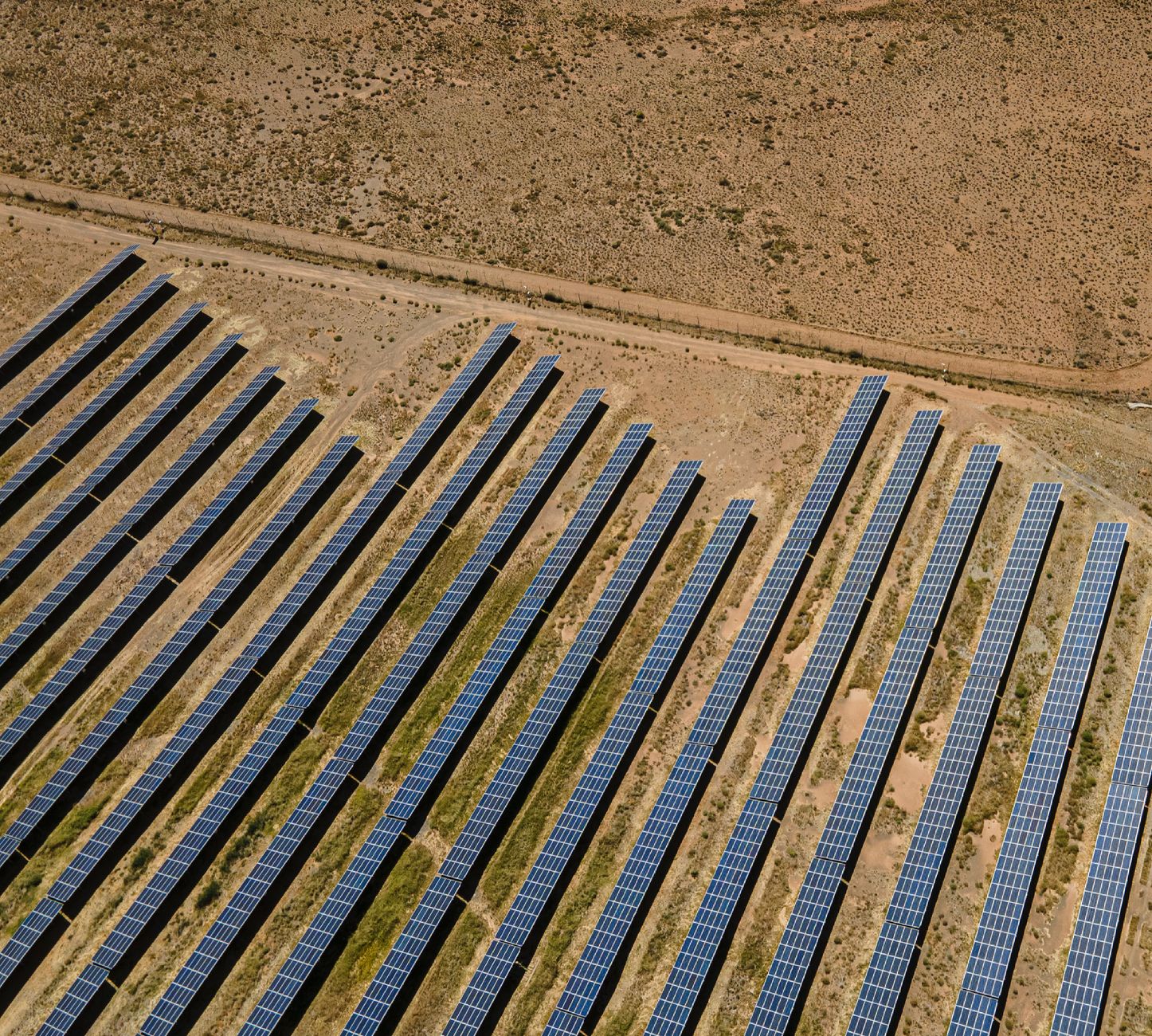
To date, EcoCart-enabled transactions have offset an estimated 2.5 million metric tons of CO2, equivalent to removing 540,000 cars from the road for a year (EPA data). The company has also funded reforestation, renewable energy, and methane capture projects in 18 countries.
What’s Next: Expansion and IPO Rumors
With fresh capital, EcoCart plans to expand into Asia-Pacific markets and develop new tools for supply chain emissions tracking. CEO Dane Baker hinted at a potential IPO in late 2027, as reported by Bloomberg.
Analysts expect continued growth as sustainability becomes a core business imperative. EcoCart’s journey from dorm room startup to unicorn exemplifies the new wave of mission-driven entrepreneurship reshaping global commerce.
Sources
TechCrunch, Forbes, The Wall Street Journal, EcoCart Annual Impact Report, Nielsen, PitchBook, GreenBiz, Reuters, EPA, Bloomberg.
Sources: Information sourced from TechCrunch, Forbes, The Wall Street Journal, and official EcoCart reports.