How Gen Z Is Powering the 2026 Minimalist Living Boom: Digital Declutter Drives Productivity
N
NewsPews AI
1 min readVerified by Sobiya
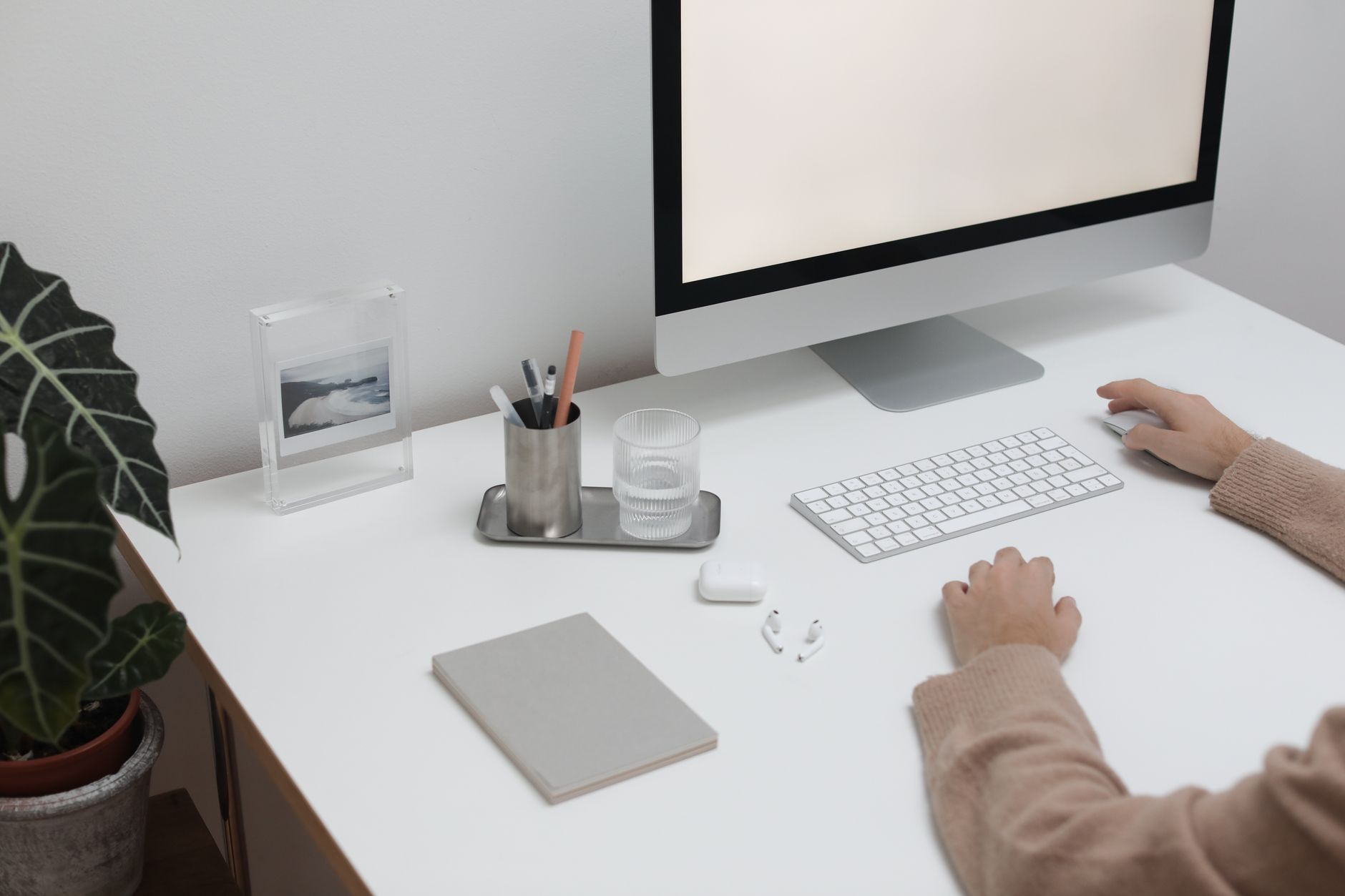
Source: Photo by Cup of Couple on Pexels
Key Takeaway
A new wave of minimalist living, led by Gen Z, is trending in 2026. Digital decluttering and streamlined routines are boosting productivity, reshaping home design, and influencing global lifestyle hab
A new wave of minimalist living, led by Gen Z, is trending in 2026. Digital decluttering and streamlined routines are boosting productivity, reshaping home design, and influencing global lifestyle habits.
Gen Z is leading a global surge in minimalist living and digital decluttering, as reported by The Guardian on July 27, 2026, with millions embracing streamlined spaces and productivity hacks to combat digital overload.
Minimalist living, once a niche movement, has become a mainstream lifestyle in 2026. According to a recent YouGov survey, 62% of Gen Z respondents in the US and UK reported adopting some form of minimalism this year.
Source: Photo by Ansel Lee on Pexels
The Rise of Digital Declutter
Digital minimalism is at the heart of this trend. As per a Pew Research Center report, 78% of young adults have reduced their app usage, deleted social media accounts, or limited screen time in the past six months. This shift is driven by mounting concerns over digital burnout, information overload, and declining productivity.
The movement gained momentum after several viral TikTok creators, such as @ClutterFreeGenZ, shared their month-long digital detox journeys in early 2026. Their content, viewed over 120 million times, inspired followers to reevaluate their digital habits and physical spaces.
Source: Photo by Jan van der Wolf on Pexels
Streamlined Spaces, Streamlined Minds
Physical decluttering is also on the rise. IKEA’s 2026 Home Report notes a 40% increase in sales of minimalist furniture and storage solutions compared to 2025. Urban dwellers are downsizing, prioritizing multi-functional furniture, and adopting the 'one-in, one-out' rule for possessions.
Architectural Digest highlights a surge in demand for micro-apartments and open-plan designs. These homes emphasize natural light, neutral colors, and hidden storage, reflecting the minimalist ethos of 'less is more.'
Source: Photo by Brett Jordan on Pexels
Productivity Hacks Go Viral
Productivity experts are capitalizing on the trend by sharing minimalist-inspired hacks. Popular methods include the 'two-minute rule,' single-tasking, and digital batching. According to Fast Company, downloads of productivity apps that promote focus and simplicity, like Notion and Minimalist, have doubled since January 2026.
Employers are taking notice. Salesforce’s 2026 Workplace Trends Report reveals that 53% of companies now offer digital wellness workshops and encourage employees to declutter both their digital and physical workspaces.
Why Now? Pandemic Echoes and Economic Pressures
Experts trace the roots of this minimalist surge to the lingering effects of the COVID-19 pandemic. As remote work persists and economic uncertainty looms, many are seeking stability and clarity through simplicity. The World Economic Forum notes that minimalist living is especially popular in cities with high living costs, such as New York, London, and Tokyo.
Financial constraints are another driver. With inflation rates remaining above 4% in several major economies, consumers are prioritizing quality over quantity and investing in durable, multipurpose goods, according to Bloomberg.
Social Media’s Paradoxical Role
Ironically, social media is both a culprit and a catalyst. While platforms like Instagram and TikTok contribute to digital overwhelm, they also spread minimalist ideas. Hashtags such as #MinimalistLiving and #DigitalDeclutter have amassed over 500 million views in 2026, per Social Blade analytics.
Influencers are sharing before-and-after photos of decluttered homes, productivity routines, and app-free phone screens, normalizing the minimalist lifestyle for millions of followers.
Source: Photo by Markus Winkler on Pexels
Impact on Mental Health
Mental health professionals are reporting positive outcomes. The American Psychological Association (APA) states that clients who practice digital and physical decluttering experience reduced anxiety, improved sleep, and higher reported life satisfaction.
A 2026 study published in The Lancet Psychiatry found that participants who limited digital distractions and maintained organized spaces saw a 30% improvement in focus and a 25% reduction in stress levels over a three-month period.
Challenges and Criticisms
Despite its popularity, the minimalist movement faces criticism. Some argue that it is inaccessible for low-income individuals or families with children, for whom downsizing or digital detoxing may not be practical. Others warn of the potential for 'performative minimalism,' where the focus shifts from genuine well-being to social media aesthetics.
Sociologists caution that the movement could exacerbate social divides if not approached inclusively. They urge brands and influencers to promote affordable, realistic strategies rather than expensive products or extreme purging.
What’s Next for Minimalism?
Industry analysts predict that the minimalist trend will continue to evolve. Tech companies are expected to launch more distraction-free devices and software, while home builders are incorporating minimalist principles into new developments.
Educational institutions are also joining the movement. Several universities, including Stanford and Oxford, have introduced courses on digital wellness and minimalist productivity, aiming to equip students with lifelong skills for managing information overload.
As minimalist living and productivity hacks become entrenched in mainstream culture, experts anticipate ongoing innovation in both technology and lifestyle design, with a continued focus on mental health and sustainability.
Sources: Information sourced from The Guardian, Pew Research Center, YouGov, IKEA, Fast Company, Salesforce, World Economic Forum, Bloomberg, Social Blade, APA, and The Lancet Psychiatry.
Sources: Information sourced from The Guardian, Pew Research Center, YouGov, IKEA, Fast Company, Salesforce, World Economic Forum, Bloomberg, Social Blade, APA, and The Lancet Psychiatry.