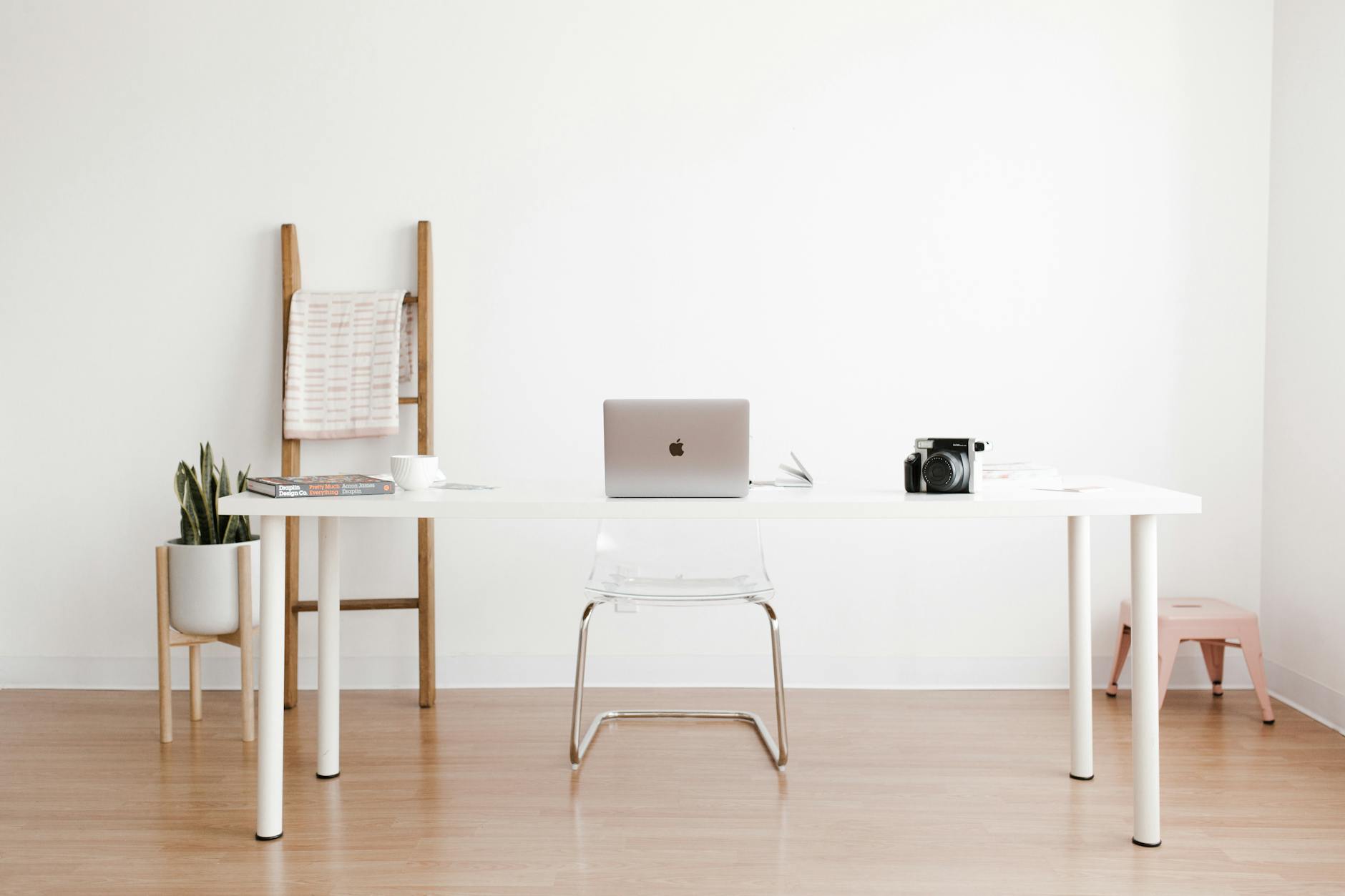
Gen Z’s embrace of minimalist living is driving a wave of innovative productivity hacks, transforming homes and workplaces. This article explores the latest trends, expert insights, and real-world impacts.
Gen Z’s minimalist lifestyle is making headlines in 2026, as millions adopt clutter-free living and digital productivity hacks to combat burnout and boost efficiency, according to a new Pew Research Center report released this week.
The minimalist movement, once a niche trend, has surged in popularity among Generation Z over the past year. Social media platforms like TikTok and Instagram are flooded with content showcasing streamlined spaces, digital decluttering, and time-saving routines. This shift is not only aesthetic but also fundamentally changing how young adults approach work and wellness.

The Rise of Minimalism Among Gen Z
Recent data from Pew Research Center shows that over 60% of Gen Z respondents have intentionally reduced their material possessions in the past 12 months. This trend is driven by a desire for mental clarity, financial freedom, and a sustainable lifestyle. Influencers such as @SimpleSage and @DeclutterDani have amassed millions of followers by sharing minimalist tips and productivity hacks.Experts attribute the movement’s growth to pandemic-era habits and economic pressures. According to The New York Times, many young adults faced with rising living costs and remote work have found solace in simplifying their surroundings. Dr. Maya Patel, a behavioral psychologist, notes that 'minimalism offers Gen Z a sense of control in an unpredictable world.'
Digital Decluttering Goes Mainstream
In 2026, digital minimalism has become as important as physical decluttering. A recent Microsoft survey found that 72% of Gen Z workers regularly audit their devices, deleting unused apps and organizing files. Productivity apps like Notion and Todoist have seen a 40% year-over-year increase in downloads, as reported by TechCrunch.The 'Inbox Zero' philosophy is gaining traction, with many young professionals dedicating weekly time blocks to clear emails and notifications. According to Forbes, companies are responding by offering training sessions on digital hygiene and focus management. 'Our employees report less stress and higher output after digital declutter workshops,' says HR manager Lisa Kim of a leading tech firm.
Popular Productivity Hacks
Minimalist living has inspired a new wave of productivity strategies. The 'One Touch Rule,' which encourages handling tasks only once, is trending on TikTok with over 500 million views. The Pomodoro Technique, involving focused 25-minute work intervals, is also seeing a resurgence among students and remote workers, according to data from the Pomofocus app.Time-blocking, habit stacking, and capsule wardrobes are other hacks gaining popularity. Capsule wardrobes, in particular, have been embraced by Gen Z as a way to minimize decision fatigue and reduce clothing waste. According to Vogue, sales of minimalist fashion brands have increased by 35% in the last year.

Minimalist Home Design Trends
The minimalist aesthetic is influencing home design, with open spaces, neutral colors, and multifunctional furniture dominating interior trends. IKEA’s 2026 catalog features modular pieces designed for small apartments, reflecting consumer demand. Real estate platform Zillow reports a 28% increase in searches for 'minimalist apartments' since January.Smart home technology is also playing a role. Devices that automate chores and reduce visual clutter, such as robotic vacuum cleaners and wireless charging stations, are in high demand. According to Statista, sales of smart home devices grew by 22% year-over-year, with Gen Z leading purchases.
The Mental Health Connection
Minimalist living is closely linked to improved mental health outcomes. The American Psychological Association (APA) published a study in January 2026 showing that participants who adopted minimalist habits reported a 30% reduction in anxiety and a 25% increase in self-reported productivity. 'Clutter is a visual reminder of unfinished tasks,' explains Dr. Patel. 'Reducing it can lower cortisol levels and enhance focus.'Therapists are incorporating minimalist principles into cognitive behavioral therapy (CBT) sessions, encouraging clients to simplify both their environments and schedules. Mental health apps like Headspace and Calm have launched new features centered on digital decluttering and mindful organization.

Corporate Adoption and Workplace Shifts
The minimalist movement is influencing workplace design and culture. Major corporations, including Google and Salesforce, have redesigned offices with open layouts, fewer distractions, and quiet zones for deep work, according to Fast Company. Flexible work policies now encourage employees to personalize their digital and physical workspaces for maximum efficiency.Remote work has accelerated the adoption of minimalist principles, with employees downsizing home offices and relying on cloud-based tools. A LinkedIn survey found that 68% of Gen Z professionals believe a minimalist workspace improves their job performance.
Criticisms and Challenges
Despite its popularity, the minimalist movement faces criticism. Some experts warn of 'performative minimalism,' where the aesthetic is prioritized over genuine lifestyle changes. The Atlantic notes that social media can create unrealistic expectations, leading to stress rather than relief for some individuals.Others argue that minimalism may not be accessible to everyone, particularly those with families or limited resources. However, advocates maintain that the core principles—intentionality and simplicity—can be adapted to different circumstances.
What’s Next for Minimalist Living?
Industry analysts predict that minimalist living and productivity hacks will continue to evolve. New apps, AI-driven organization tools, and eco-friendly products are expected to enter the market in 2026. Experts foresee a growing emphasis on 'digital wellness,' with tech companies rolling out features to help users manage screen time and digital clutter.Educational institutions are also integrating minimalist principles into curricula, teaching students time management and organizational skills. According to EdTech Magazine, several universities have launched pilot programs focused on digital hygiene and minimalist study habits.
Conclusion
Gen Z’s embrace of minimalist living and productivity hacks is reshaping lifestyles, workplaces, and even mental health practices in 2026. As the movement matures, experts expect it to influence broader societal trends, promoting sustainability, wellness, and intentional living.Sources
Pew Research Center, The New York Times, Microsoft, TechCrunch, Forbes, Vogue, Zillow, Statista, APA, Fast Company, LinkedIn, The Atlantic, EdTech Magazine.Sources: Information sourced from Pew Research Center, The New York Times, Microsoft, and other leading industry publications.