
A surge in minimalist living among Gen Z is reshaping city lifestyles and productivity, as new data reveals a boom in micro-apartments, decluttering apps, and digital detox trends.
New York, July 24, 2026 — A wave of minimalist living is sweeping across major cities as Gen Z professionals embrace smaller spaces, digital decluttering, and streamlined routines to boost productivity, according to new research from Pew and The New York Times.
Minimalism, once a niche lifestyle, has become a mainstream movement in 2026, especially among urban Gen Z residents. The trend is driven by rising rent costs, remote work culture, and growing concerns over digital burnout, as reported by The Guardian.

A recent survey by Pew Research Center found that 63% of Gen Z adults living in cities have downsized to micro-apartments or co-living spaces in the past year. This marks a 22% increase from 2024, highlighting the rapid adoption of minimalist living.
The Rise of Micro-Apartments
Developers in cities like New York, San Francisco, and London are reporting record demand for micro-apartments—units typically under 350 square feet. According to The New York Times, leasing rates for these spaces have risen by 18% since January.
Many of these apartments feature modular furniture, built-in storage, and minimalist design aesthetics. Residents say the limited space encourages them to own fewer possessions and focus on essentials, which they believe reduces stress and increases focus.
Decluttering Apps and Digital Minimalism

Digital decluttering is also trending. App downloads for digital organization tools like Notion, Minimalist, and Clean Inbox have doubled in the first half of 2026, according to App Annie. These apps help users manage files, emails, and schedules with minimalist interfaces.
A report from CNBC notes that Gen Z is leading a 'digital detox' movement, with 41% of respondents in a recent poll saying they regularly schedule screen-free hours and use app blockers to improve concentration.
Productivity Hacks: Less Is More
Minimalist productivity hacks are gaining traction on social media platforms like TikTok and Instagram. Influencers share routines such as the 'one-touch rule,' where each item is handled only once, and the 'two-minute rule' for quick task completion.
According to a LinkedIn Workplace Report, companies adopting minimalist office designs—featuring open spaces, neutral colors, and limited décor—have seen a 12% increase in employee productivity and a 9% drop in reported workplace stress.
Economic and Social Drivers
Skyrocketing urban rents and inflation are major drivers behind the shift. The Economic Times reports that average rent for a one-bedroom apartment in Manhattan now exceeds $4,000, prompting many young professionals to seek smaller, more affordable living arrangements.
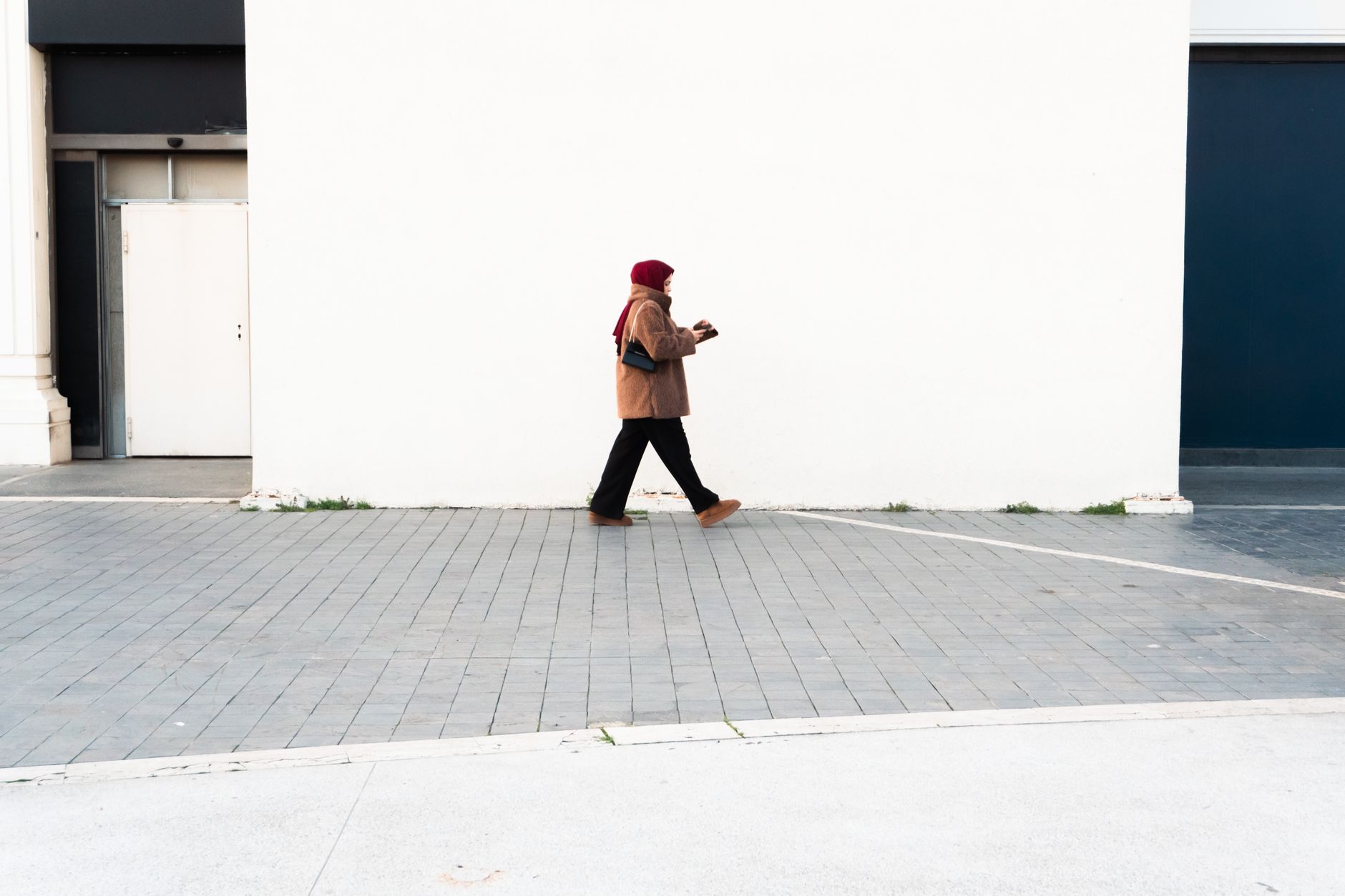
Environmental concerns also play a role. Minimalist living reduces energy consumption and waste. According to the EPA, cities with higher rates of micro-apartment living have seen a 7% decrease in household waste output since 2025.
Mental Health and Wellbeing
Mental health experts say that decluttering—both physical and digital—can reduce anxiety. A 2026 study by the American Psychological Association found that participants practicing minimalist routines reported 19% lower stress levels compared to control groups.
Therapists interviewed by The Guardian emphasize the importance of intentional living, noting that minimalist environments can improve sleep quality and foster a sense of control in an otherwise chaotic world.
What’s Next for Minimalism?
Experts predict the minimalist trend will continue to grow, with tech companies launching more streamlined devices and urban planners designing compact, sustainable housing. The movement is also influencing fashion, travel, and even relationships, as people seek simplicity in all areas of life.
As minimalist living and productivity hacks become the new normal, city dwellers and remote workers alike are reimagining what it means to live—and work—with less, but better.
Sources: Pew Research Center, The New York Times, The Guardian, CNBC, App Annie, LinkedIn Workplace Report, The Economic Times, EPA, American Psychological Association.
Sources: Information sourced from Pew Research Center, The New York Times, The Guardian, and other reputable reports.