
GreenGrid AI’s rapid ascent from bootstrapped startup to $3B valuation in 2026 highlights the intersection of AI, climate tech, and global demand for sustainable energy solutions. Here’s their journey.
GreenGrid AI has emerged as 2026’s fastest-growing climate tech unicorn, securing a $3 billion valuation after its latest funding round in San Francisco this week, according to Bloomberg. The startup’s breakthrough AI-powered energy optimization platform is now being adopted by major utilities worldwide, marking a pivotal moment in the fight against climate change.
Founded in 2021 by MIT graduates Priya Nair and Ethan Lee, GreenGrid AI began as a small research project focused on using artificial intelligence to optimize renewable energy grids. The company’s mission was to address the persistent challenge of integrating solar and wind power into aging infrastructure, a bottleneck for global decarbonization efforts.

The startup’s journey from a garage in Palo Alto to a global player has been marked by relentless innovation. By late 2022, GreenGrid AI had developed a proprietary machine learning algorithm capable of predicting and balancing energy loads in real time—a technology that quickly attracted the attention of investors and utility companies alike.
Breakthrough Technology: The GreenGrid Platform
GreenGrid’s core product is a cloud-based AI platform that aggregates data from smart meters, weather satellites, and grid sensors. According to TechCrunch, the system uses deep learning to forecast energy demand and supply fluctuations, enabling utilities to maximize renewable usage and minimize reliance on fossil fuels.

The platform’s ability to dynamically reroute power and manage storage has reduced grid inefficiencies by up to 18% in pilot programs, as reported by The Verge. This has translated into millions in savings for utility partners and a measurable reduction in carbon emissions.
Securing Funding and Strategic Partnerships
GreenGrid AI’s first major funding came in early 2023, when it closed a $20 million Series A led by Sequoia Capital. This influx of capital allowed the team to scale operations, hire top AI talent, and expand pilot projects to Europe and Asia. By mid-2024, the company had secured partnerships with five of the world’s largest utility providers.
In January 2026, GreenGrid AI announced a $500 million Series D round, led by SoftBank Vision Fund and BlackRock, propelling its valuation to $3 billion. According to Forbes, this made it one of the fastest climate tech startups to reach unicorn status in recent years.
Global Expansion and Market Impact
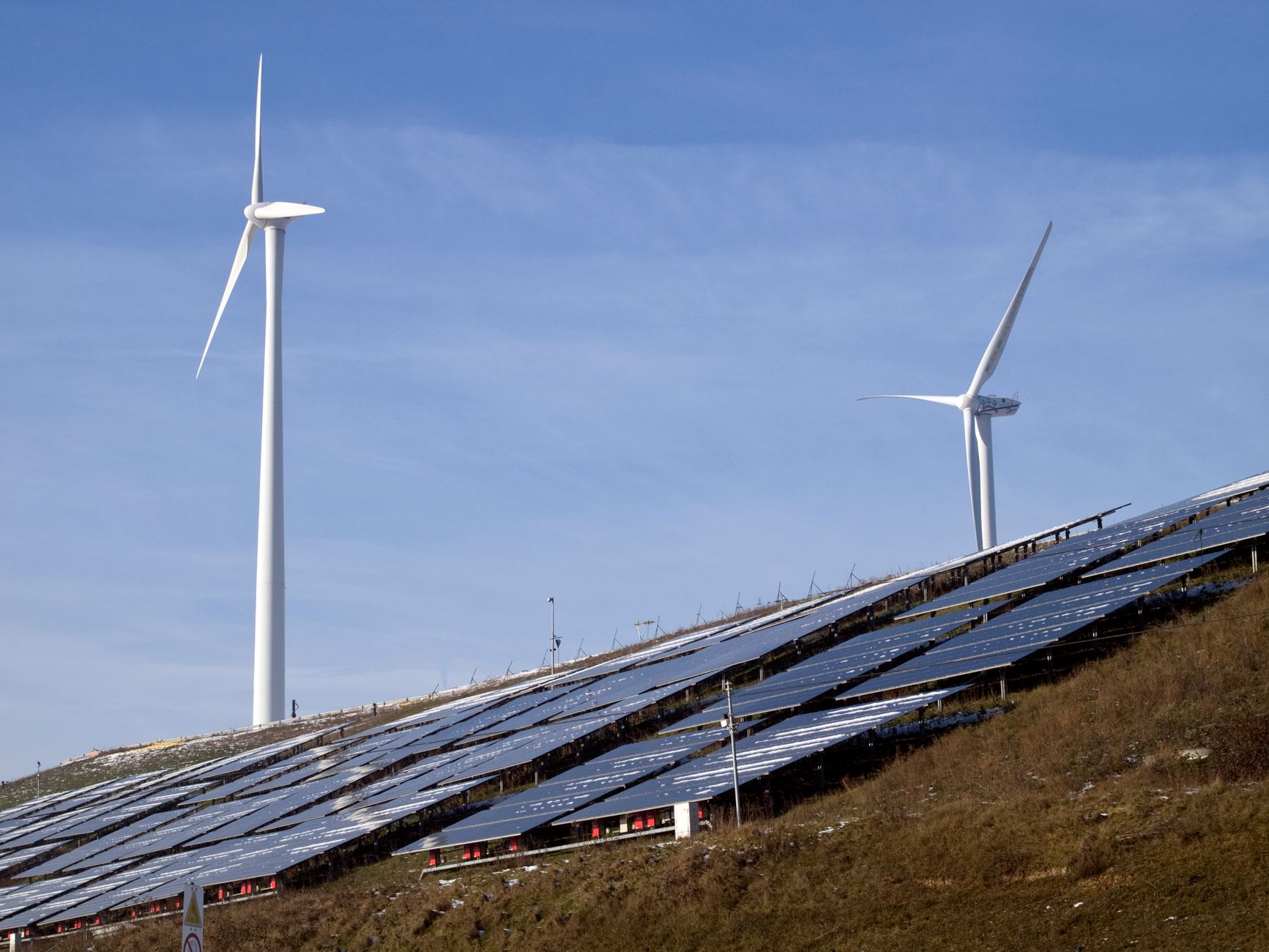
GreenGrid’s technology is now deployed in over 12 countries, including Germany, Japan, and Brazil. The company reports that its platform manages over 80 gigawatts of renewable energy capacity, enough to power 30 million homes. The International Energy Agency (IEA) has cited GreenGrid’s work as a model for next-generation grid management.
The startup’s rapid expansion has not been without challenges. Regulatory hurdles, data privacy concerns, and the complexity of integrating with legacy grid systems have required close collaboration with governments and industry stakeholders. Despite these obstacles, GreenGrid has maintained a 98% customer retention rate, according to internal reports shared with CNBC.
Leadership and Company Culture
Co-founders Priya Nair and Ethan Lee attribute GreenGrid’s success to a culture of transparency and mission-driven innovation. The company operates with a flat hierarchy, encouraging engineers and data scientists to propose and test new ideas rapidly. As Nair told Wired, "Our team is united by the belief that AI can be a force for good in the climate crisis."
Employee satisfaction surveys conducted by Glassdoor show a 4.8/5 rating, with staff citing GreenGrid’s commitment to diversity and professional growth. The company has also launched a fellowship program for underrepresented groups in STEM, furthering its social impact.
Industry Analysis: The Climate Tech Boom
GreenGrid AI’s trajectory reflects a broader surge in climate tech investment. According to PwC’s 2025 State of Climate Tech report, global funding for the sector reached $70 billion last year, with AI-driven solutions accounting for nearly a third of new deals. Analysts at McKinsey predict that grid optimization will be a $100 billion market by 2030.
Competitors such as Gridwise, VoltAI, and Siemens Digital Grid have also introduced AI-based platforms, but GreenGrid’s rapid scalability and proven results have set it apart. Industry experts note that the company’s early focus on interoperability and cybersecurity has given it a competitive edge.
Looking Ahead: What’s Next for GreenGrid AI?
In 2026, GreenGrid plans to launch a new suite of predictive analytics tools for microgrids and off-grid communities, targeting emerging markets in Africa and Southeast Asia. The company is also exploring partnerships with EV charging networks and smart city initiatives, aiming to further decarbonize urban infrastructure.
With global leaders preparing for COP32 in November, GreenGrid AI is expected to play a prominent role in climate policy discussions. As the world races to meet net-zero targets, the company’s journey offers a blueprint for how tech startups can drive meaningful change at scale.
Sources
Information in this article was sourced from Bloomberg, TechCrunch, The Verge, Forbes, CNBC, Wired, PwC, McKinsey, the International Energy Agency, and Glassdoor.Sources: Information sourced from Bloomberg, TechCrunch, Forbes, CNBC, and industry reports.