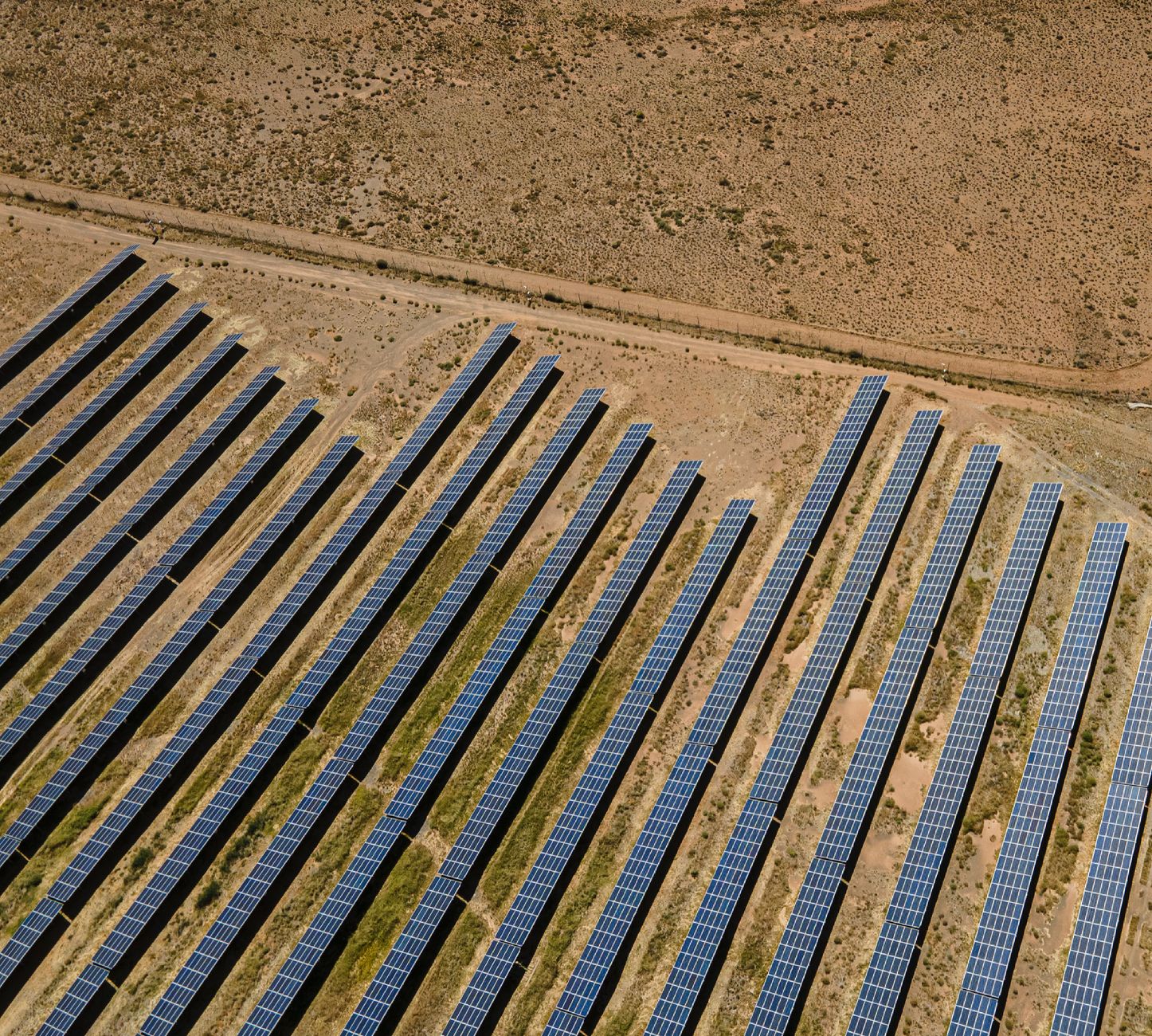
SolarRise’s rapid ascent as Africa’s top clean energy startup in 2026 is reshaping the continent’s power sector. This case study explores their journey, innovations, and transformative impact.
Lagos, Nigeria, July 11, 2026 — SolarRise, a Lagos-based clean energy startup, has emerged as Africa’s fastest-growing renewable power company this year, after securing a record $120 million Series C funding round and deploying solar microgrids across five countries, according to Reuters.
Founded in 2021 by engineer-turned-entrepreneur Adaeze Okafor, SolarRise set out to tackle Africa’s chronic electricity shortages. The company’s mission: deliver affordable, reliable solar power to underserved communities and businesses.
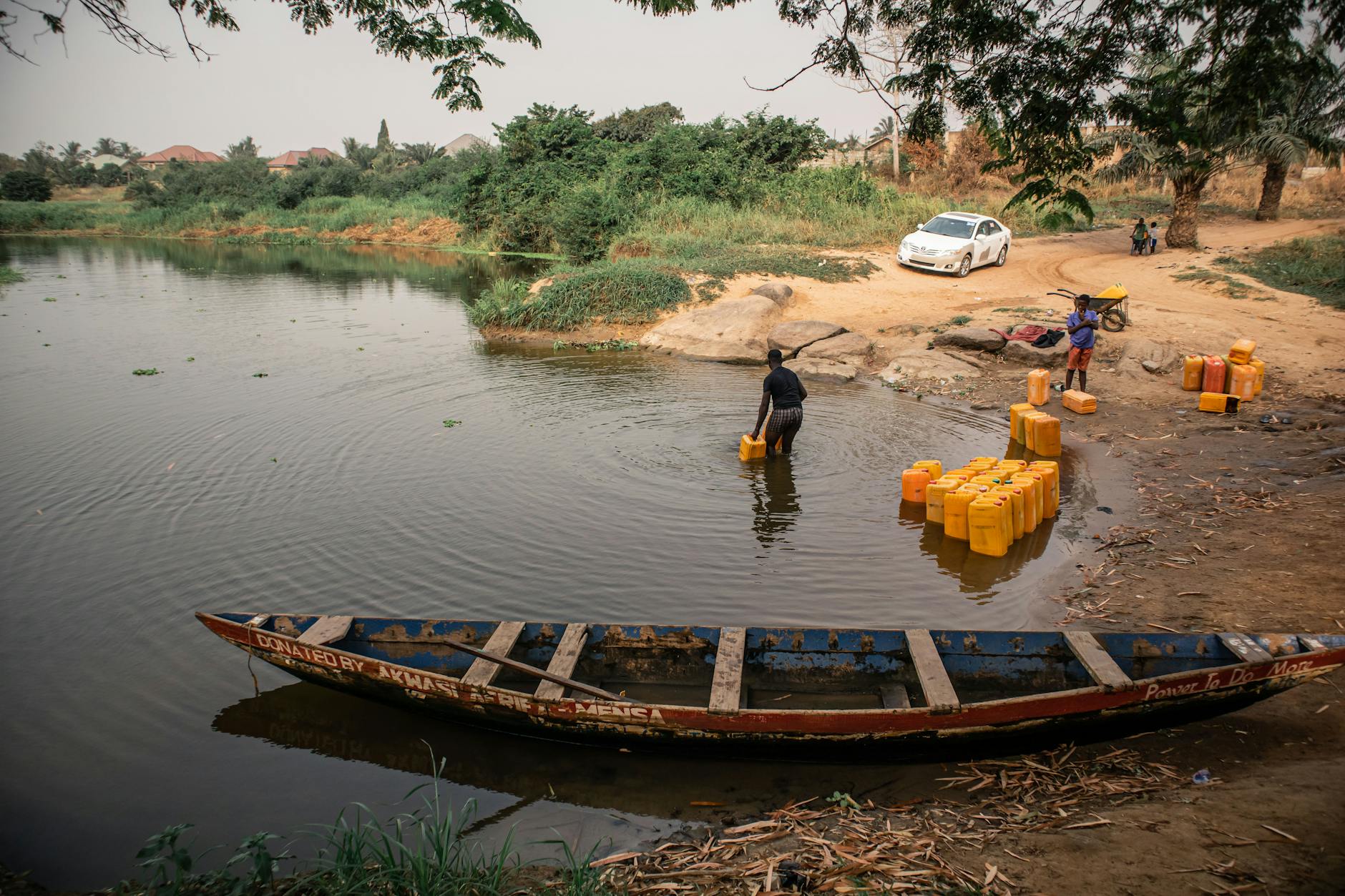
Africa faces a significant energy access gap. According to the International Energy Agency (IEA), over 600 million Africans still lack reliable electricity. SolarRise identified this as both a challenge and an opportunity for scalable impact.
Early Days: Navigating Challenges in the Nigerian Market
SolarRise began operations in Lagos, piloting modular solar microgrids in peri-urban neighborhoods. The startup faced hurdles: regulatory delays, import tariffs on solar components, and skepticism from local communities used to unreliable grid power.
To build trust, SolarRise partnered with local NGOs and offered flexible payment plans. Within six months, their first microgrid in Ikorodu powered 250 homes and small businesses, reducing diesel generator use by 70%, as reported by TechCrunch Africa.
Scaling Up: Funding and Regional Expansion
SolarRise’s breakthrough came in 2024, when it secured $15 million in seed funding from the African Development Bank and Greentech Ventures. This enabled expansion into Ghana and Kenya, where similar energy deficits existed.
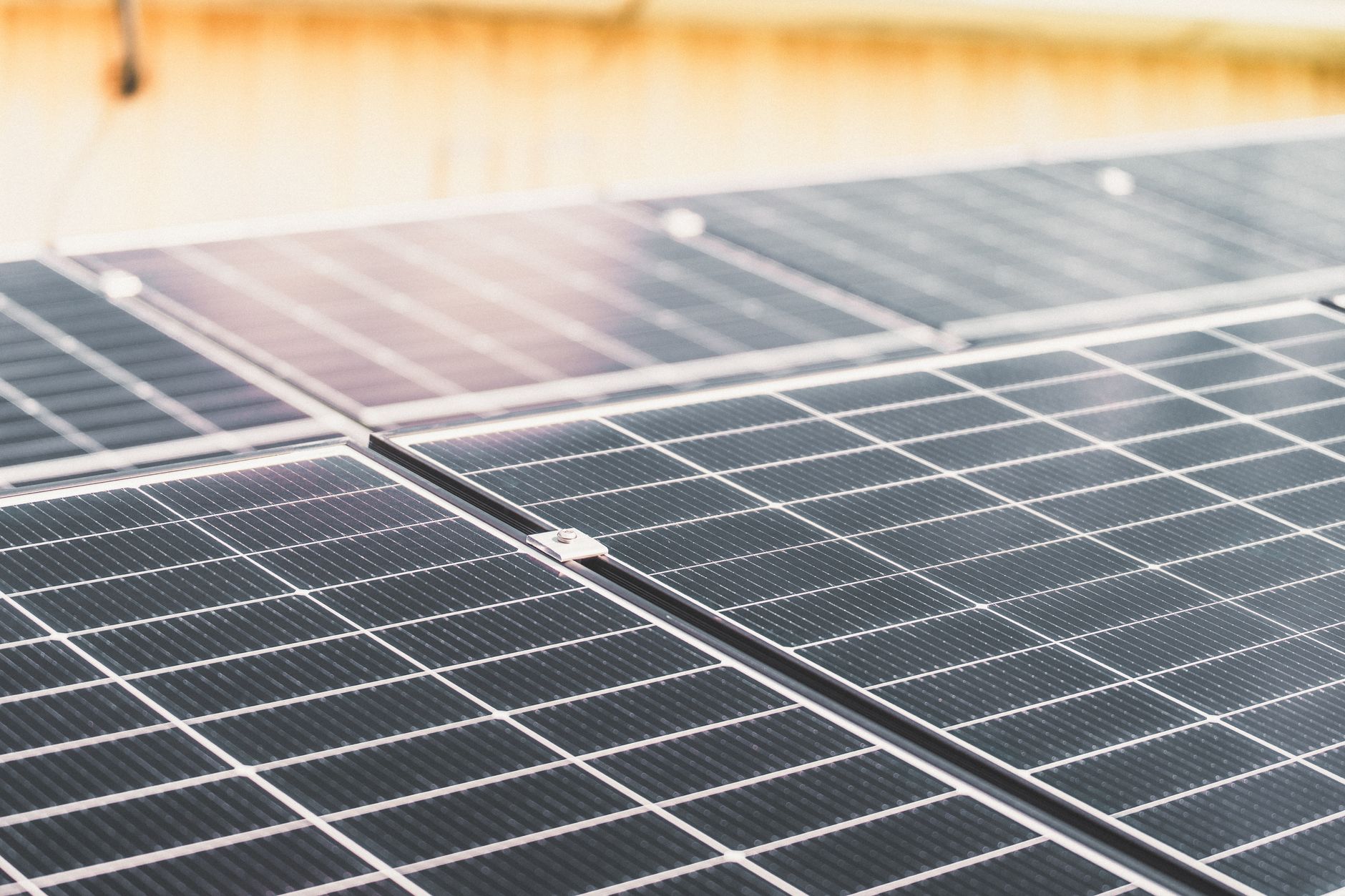
By 2025, SolarRise had installed over 1,200 microgrids, serving 500,000 people. The company’s revenue grew 300% year-on-year, driven by pay-as-you-go solar subscriptions and commercial partnerships with telecom towers, according to The Economic Times.
Innovation: AI-Driven Energy Management
A key differentiator for SolarRise was its proprietary AI-powered grid management platform. This software optimizes energy distribution based on real-time demand, reducing waste and lowering costs for end-users.
The platform also predicts equipment failures, minimizing downtime. According to company data, SolarRise’s microgrids achieve 98% uptime—well above the sub-Saharan African average of 60% for conventional grids.
Impact: Economic and Social Transformation
SolarRise’s expansion has created 2,000 direct jobs and over 10,000 indirect jobs in installation, maintenance, and local manufacturing. Small businesses report a 40% rise in productivity due to reliable power, as surveyed by the World Bank.
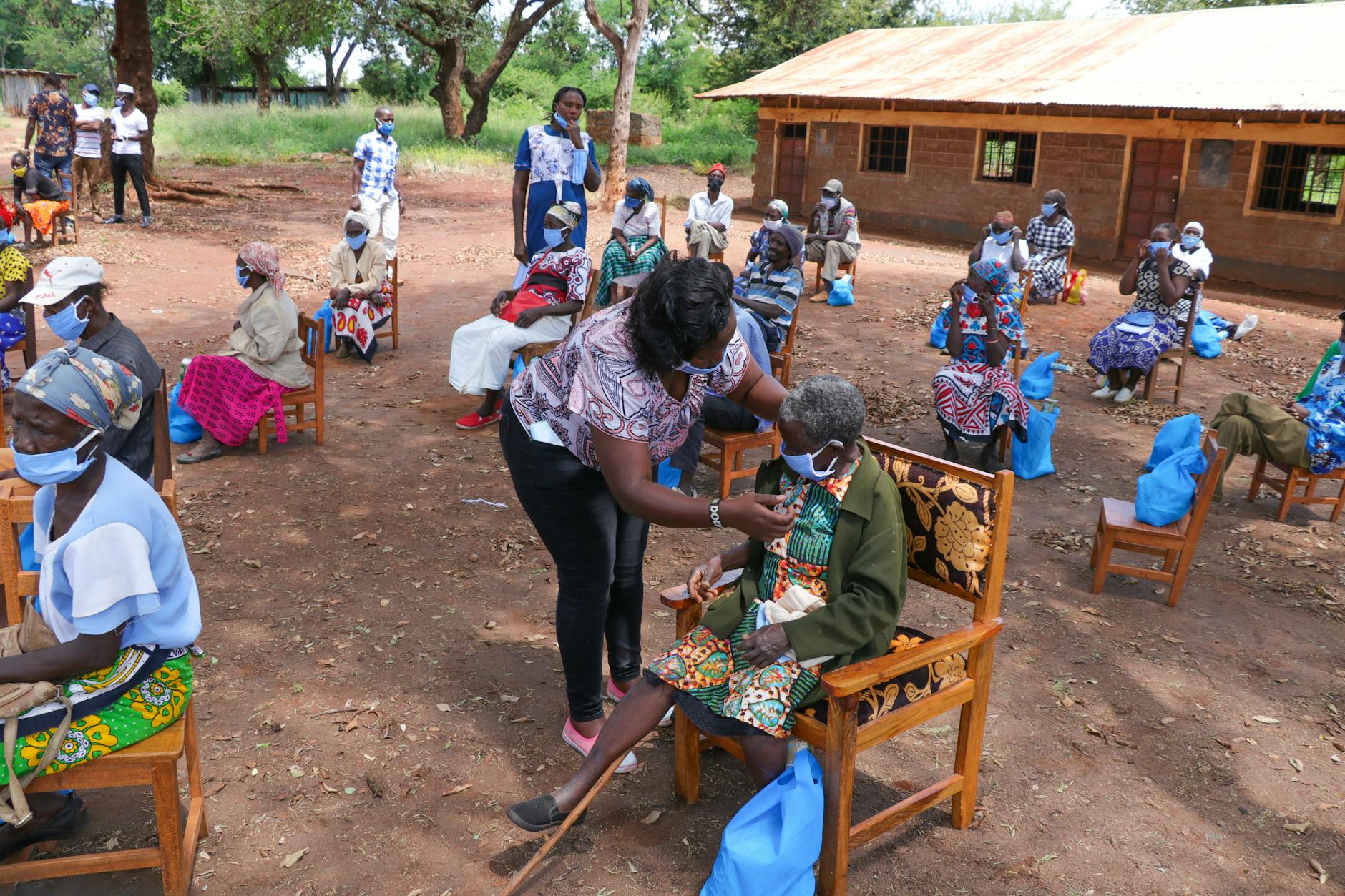
Schools and clinics powered by SolarRise microgrids have extended hours and improved services. In rural Ghana, a SolarRise-powered health center reported a 30% reduction in vaccine spoilage due to stable refrigeration, according to WHO reports.
Challenges: Competition and Policy Hurdles
Despite its growth, SolarRise faces stiff competition from international solar firms and local startups. Policy uncertainty and fluctuating currency rates remain risks, as highlighted by The Financial Times.
The Nigerian government’s recent removal of solar import tariffs has helped, but regulatory clarity across the region is still needed for sustained growth, industry analysts say.
What’s Next: Ambitious Goals for 2030
SolarRise aims to reach 10 million Africans by 2030, focusing on battery storage innovations and partnerships with public utilities. The company plans to expand into francophone West Africa and launch a solar apprenticeship program for youth.
With its latest funding, SolarRise is piloting grid-scale solar farms and exploring green hydrogen production. Industry observers see the company as a blueprint for Africa’s clean energy future.
Sources
SolarRise’s journey illustrates how innovation, local partnerships, and impact-driven leadership can transform Africa’s energy landscape. Sources: Reuters, TechCrunch Africa, The Economic Times, World Bank, WHO, The Financial Times.Sources: Information sourced from Reuters, TechCrunch Africa, The Economic Times, World Bank, WHO, and The Financial Times reports.