
The 2026 'Declutter Challenge' is trending worldwide, inspiring millions to embrace minimalist living and productivity hacks through viral social media campaigns and expert-backed strategies for a simpler, more focused life.
Millions worldwide are joining the 2026 'Declutter Challenge' this April, a viral social media movement encouraging minimalist living and productivity hacks to combat digital overload and daily stress.
The 'Declutter Challenge' began trending on TikTok and Instagram in late March 2026, with influencers and productivity experts urging followers to simplify their homes and routines. The challenge quickly gained traction, with the hashtag #Declutter2026 amassing over 1.2 billion views by April 10, according to social analytics platform Sprout Social.
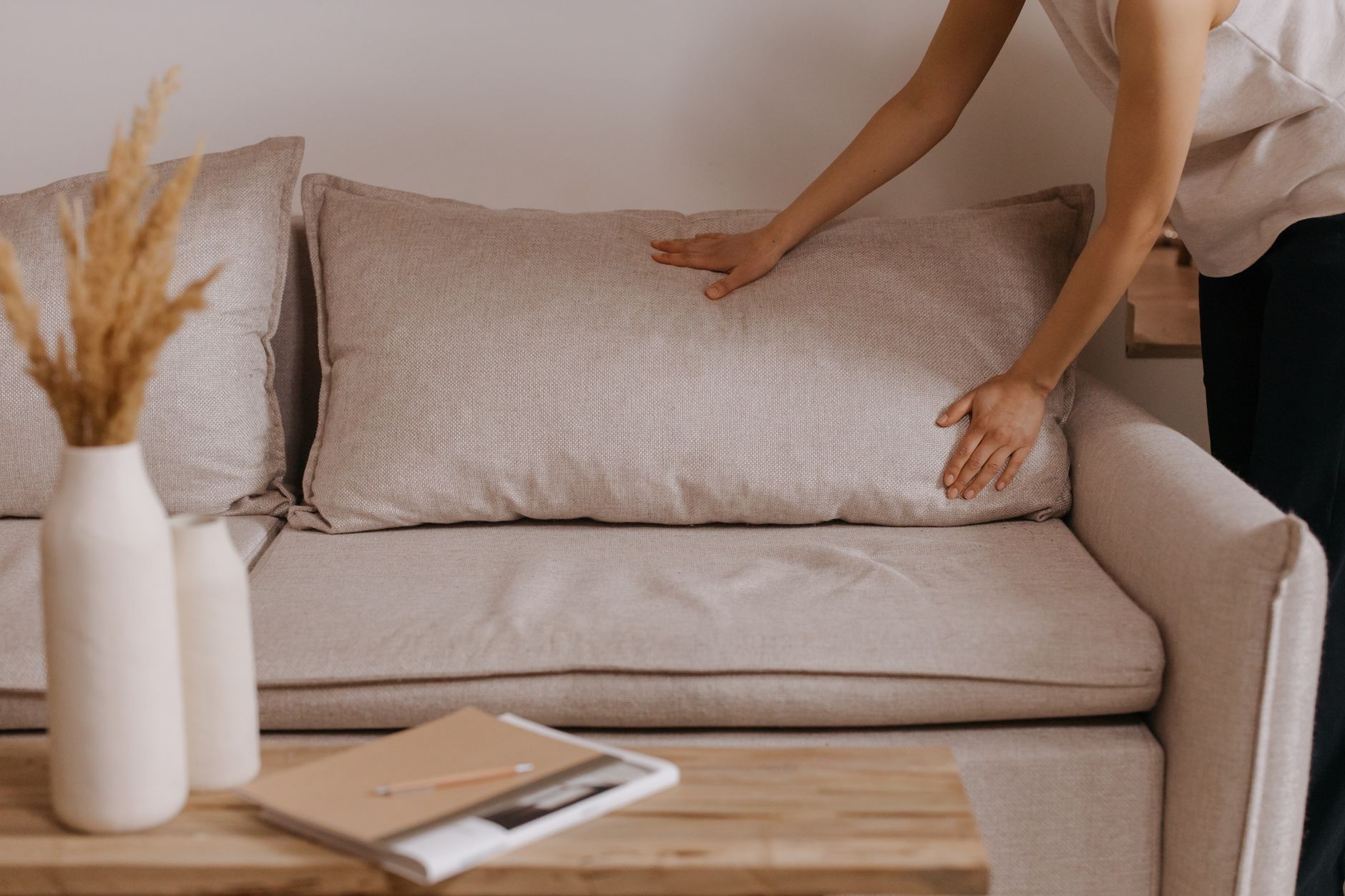
Participants are encouraged to remove one unnecessary item from their homes each day for 30 days, share before-and-after photos, and adopt daily productivity hacks. The movement’s popularity has surged amid growing concerns about digital burnout and consumer fatigue, as reported by The Guardian.
Origins of the Declutter Challenge
The 'Declutter Challenge' was first launched by productivity coach and influencer Maya Chen, whose viral video on March 28 outlined the 30-day minimalist plan. Chen, with over 3 million followers, cited rising anxiety levels and clutter-induced stress as motivation, referencing a 2025 American Psychological Association survey linking clutter to increased cortisol.
Minimalism and productivity have long intersected, but this year’s challenge is unique for its scale and the integration of digital decluttering. Participants are not only tidying physical spaces but also unsubscribing from emails, deleting unused apps, and streamlining digital workflows, according to Wired.
Key Productivity Hacks Gaining Popularity
Among the most shared productivity hacks are the 'one-touch rule'—handling each item or task only once—and the 'two-minute rule,' which encourages immediate action on tasks that take less than two minutes. These methods, popularized by productivity authors like David Allen and James Clear, are being adapted for both home and digital spaces.

Another trending hack is the 'Sunday Reset,' where participants spend an hour each weekend organizing their workspace and planning the week ahead. According to a survey by Notion, 64% of respondents who adopted this habit reported improved focus and reduced weekday stress.
Expert Insights on Minimalist Living
Psychologists and productivity experts are weighing in on the benefits of minimalist living. Dr. Laura Kim, a behavioral psychologist at Stanford University, told The New York Times that decluttering can lead to significant improvements in mood and cognitive performance. She points to recent studies showing a 23% increase in reported happiness among individuals who regularly declutter.
Professional organizers are also seeing a surge in demand. The National Association of Productivity & Organizing Professionals (NAPO) reported a 35% increase in client inquiries since the challenge began. Many are seeking guidance on sustainable decluttering and maintaining minimalist habits long-term.
Social Media’s Role in the Movement
Social media platforms are amplifying the minimalist message. Viral videos, step-by-step guides, and live-streamed decluttering sessions are helping participants stay accountable. TikTok’s #Declutter2026 challenge page features daily prompts, expert Q&As, and community support forums.
Influencers like Maya Chen and productivity podcaster Leo Grant are collaborating with brands to offer minimalist toolkits, including digital planners and eco-friendly storage solutions. According to Instagram Insights, posts tagged with #MinimalistLiving have increased by 78% since March.
Impact on Consumer Behavior and Retail
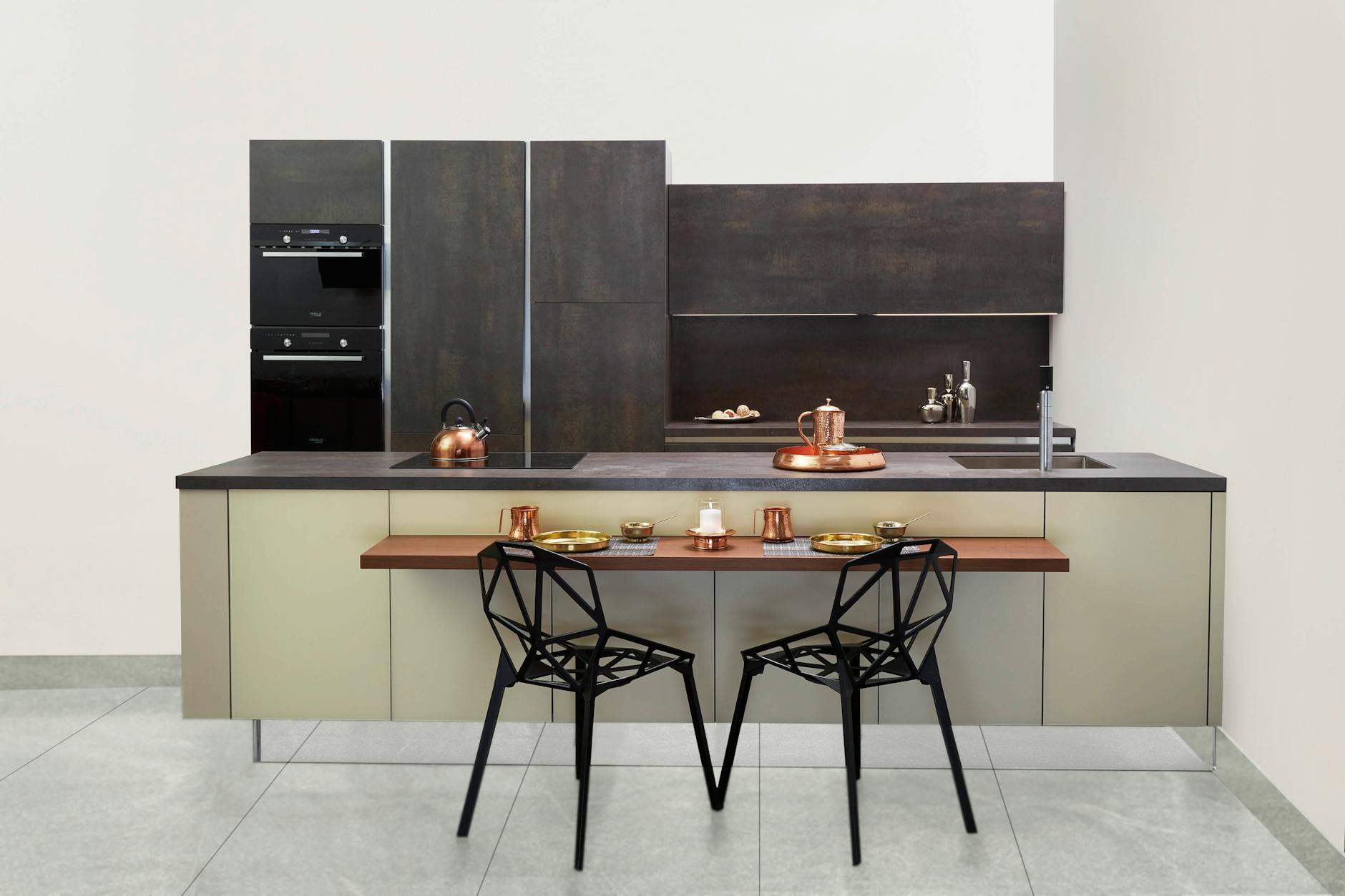
Retailers are responding to the trend by promoting multipurpose, space-saving products and launching minimalist-themed collections. IKEA reported a 19% rise in sales of modular furniture and storage bins in early April, as consumers seek practical solutions for decluttering.
Secondhand marketplaces like ThredUp and Facebook Marketplace have seen a surge in listings as participants sell or donate unneeded items. ThredUp’s April report notes a 42% increase in clothing and home goods listings compared to the same period last year.
Challenges and Criticisms
Despite its popularity, the 'Declutter Challenge' has faced criticism for promoting a one-size-fits-all approach to minimalism. Some mental health advocates caution that decluttering can be overwhelming for individuals with hoarding disorder or anxiety, as reported by Psychology Today.
Others question the sustainability of viral challenges, noting that past trends have sometimes led to short-lived behavioral changes. However, experts like Dr. Kim argue that the public nature of the challenge and ongoing community support may help participants build lasting habits.
What’s Next for the Minimalist Movement?
Organizers plan to extend the challenge with monthly themes, such as digital detoxing in May and mindful consumption in June. Maya Chen announced upcoming webinars and partnerships with mental health organizations to address the psychological aspects of decluttering.
Experts predict that the minimalist living trend will continue to influence home design, consumer habits, and workplace productivity throughout 2026. As digital distractions and consumer pressures grow, the appeal of simplicity and focus is likely to endure.
Sources
References for this article include Sprout Social, The Guardian, Wired, The New York Times, Notion, NAPO, IKEA, ThredUp, Psychology Today, and Instagram Insights.Sources: Information sourced from Sprout Social, The Guardian, Wired, The New York Times, and industry reports.