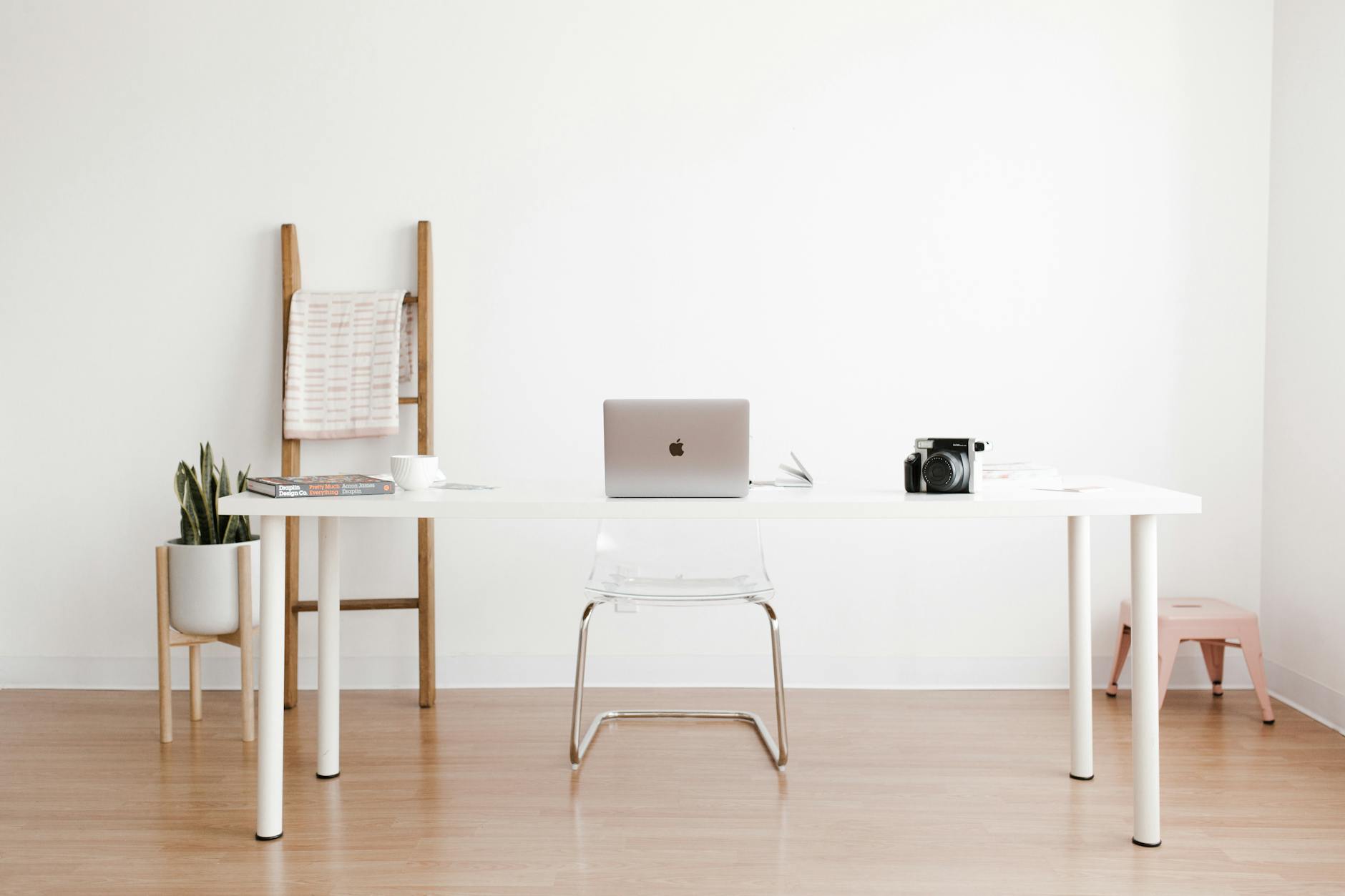
The 2026 'Digital Declutter Challenge' is sweeping social media, inspiring millions to embrace minimalist living and boost productivity by reducing digital clutter and streamlining online habits.
Millions worldwide are joining the 2026 'Digital Declutter Challenge,' a viral movement encouraging people to simplify their digital lives and boost productivity, according to data from The Verge and Wired.
The challenge, which gained momentum in early March, asks participants to reduce digital clutter—unnecessary files, unused apps, and excessive notifications—for 30 days. Social media platforms like TikTok and Instagram have seen a surge in posts tagged #DigitalDeclutter, with over 50 million views collectively, as reported by Social Blade.

Minimalism has been a popular lifestyle trend for years, but the digital declutter movement marks a shift toward applying minimalist principles to technology use. As remote work and digital communication intensify, many feel overwhelmed by constant connectivity and digital noise, according to a recent Pew Research Center survey.
Origins of the Digital Declutter Challenge
The challenge traces its roots to productivity expert Cal Newport’s 2019 book, 'Digital Minimalism.' However, the current viral wave began when productivity influencer Maya Lin posted her own declutter journey on TikTok in February 2026. Her video, which has over 8 million views, inspired thousands to join.
Lin’s approach involves three steps: auditing digital devices, deleting non-essential apps, and setting strict usage boundaries. She encourages participants to document their progress, creating a sense of accountability and community.
Key Details: What the Challenge Involves
Participants begin by reviewing all digital devices, including smartphones, laptops, and tablets. They delete unused apps, organize files, and unsubscribe from unnecessary email lists. The goal is to reduce digital distractions and reclaim focus.
A core rule is setting daily 'tech-free' periods, typically 60-90 minutes, during which participants avoid screens entirely. Many also use productivity tools like Focus Mode and app blockers to reinforce new habits, as recommended by productivity coach James Clear.
Data and Early Results
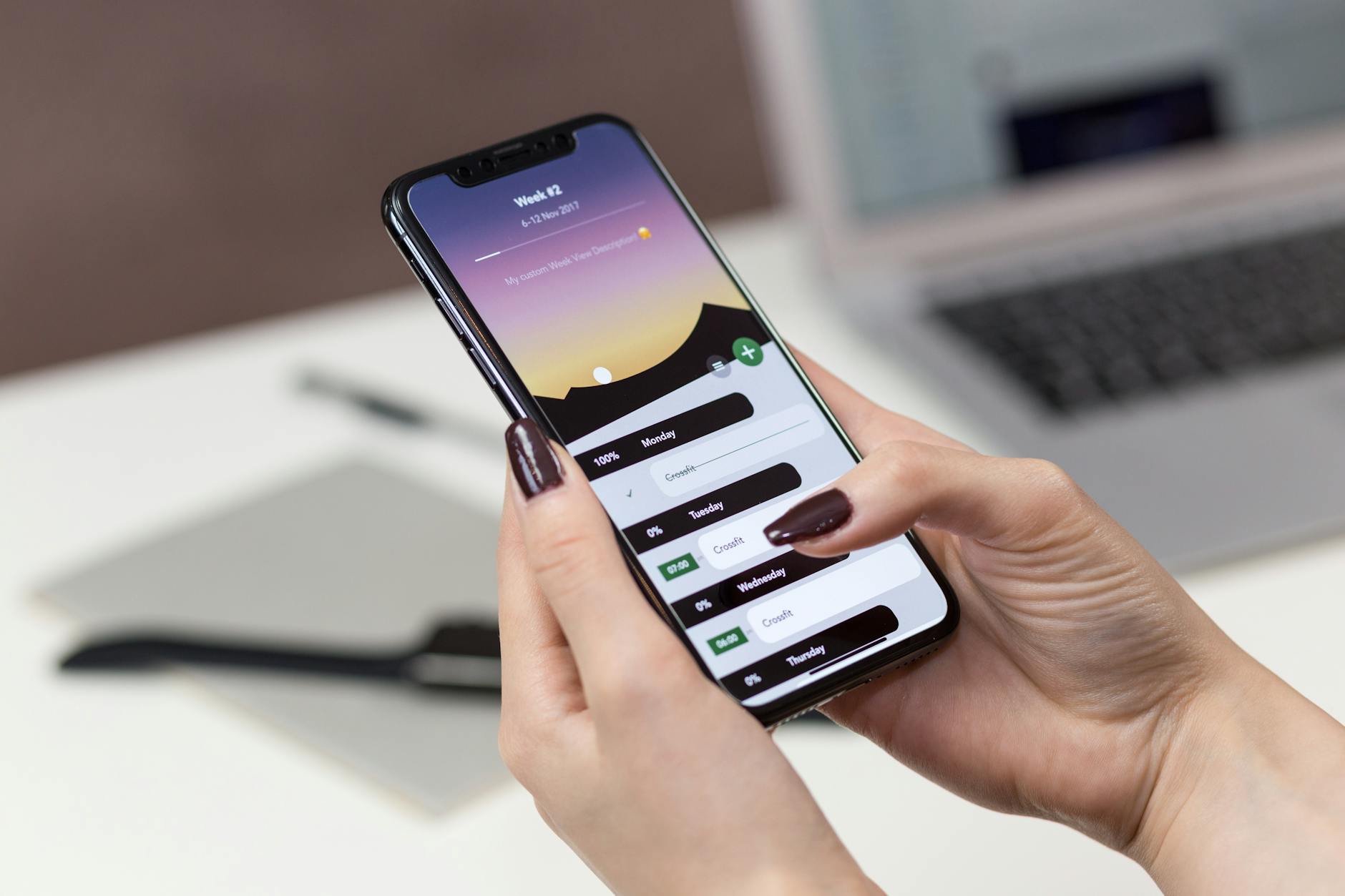
According to a survey by Digital Trends, 67% of challenge participants report increased productivity within the first two weeks. Over half say they feel less anxious and more present in daily life. Tech companies have noted a 15% drop in average daily screen time among users mentioning the challenge, as per analytics from App Annie.
Major employers, including Google and Shopify, have promoted the challenge internally. Google’s HR director, Priya Nair, told Reuters that employee engagement scores rose 12% after a company-wide digital declutter initiative.
Analysis: Why Digital Minimalism Resonates Now
Experts attribute the trend’s popularity to digital fatigue. The average American now spends over 7 hours daily on screens, up 20% since 2020, according to Nielsen. The pandemic accelerated remote work and online learning, increasing digital overload.
Psychologists say decluttering digital spaces can reduce stress and improve cognitive function. Dr. Rachel Kim, a behavioral psychologist at Stanford, told The New York Times that 'digital minimalism helps people regain control and mental clarity.'
Social Media’s Role in Spreading the Movement
Ironically, social media itself has amplified the challenge. Influencers share before-and-after screenshots of organized desktops and decluttered inboxes, inspiring followers to participate. The hashtag #DigitalDeclutter trended in 17 countries this week, according to Twitter analytics.
Some critics warn that the movement could be fleeting, but others see it as a sign of growing awareness about digital well-being. Tech companies are responding by adding new features, like Apple’s expanded Screen Time reports and Google’s Digital Wellbeing dashboard.
Impact: Changing Habits and Workplaces

Early adopters report lasting changes. Sarah Gomez, a remote worker in Austin, told The Guardian she now checks email only twice daily and feels 'more productive and less frazzled.' Companies are updating digital communication policies to encourage focused work time.
Schools are also getting involved. Several U.S. high schools have piloted 'digital detox' weeks, reporting higher student engagement and fewer disciplinary issues, according to Education Week.
What’s Next for Digital Minimalism?
Analysts predict the digital declutter trend will continue through 2026, with more apps and services designed to help users manage digital overload. Experts recommend regular digital audits and mindful tech use as long-term strategies.
As the movement grows, advocates hope it will lead to broader cultural shifts—prioritizing intentional technology use, healthier work-life balance, and improved mental well-being.
Sources: Information sourced from The Verge, Wired, Pew Research Center, Social Blade, Digital Trends, Reuters, The New York Times, App Annie, The Guardian, and Education Week.
Sources: Information sourced from The Verge, Wired, Pew Research Center, and other major news outlets.