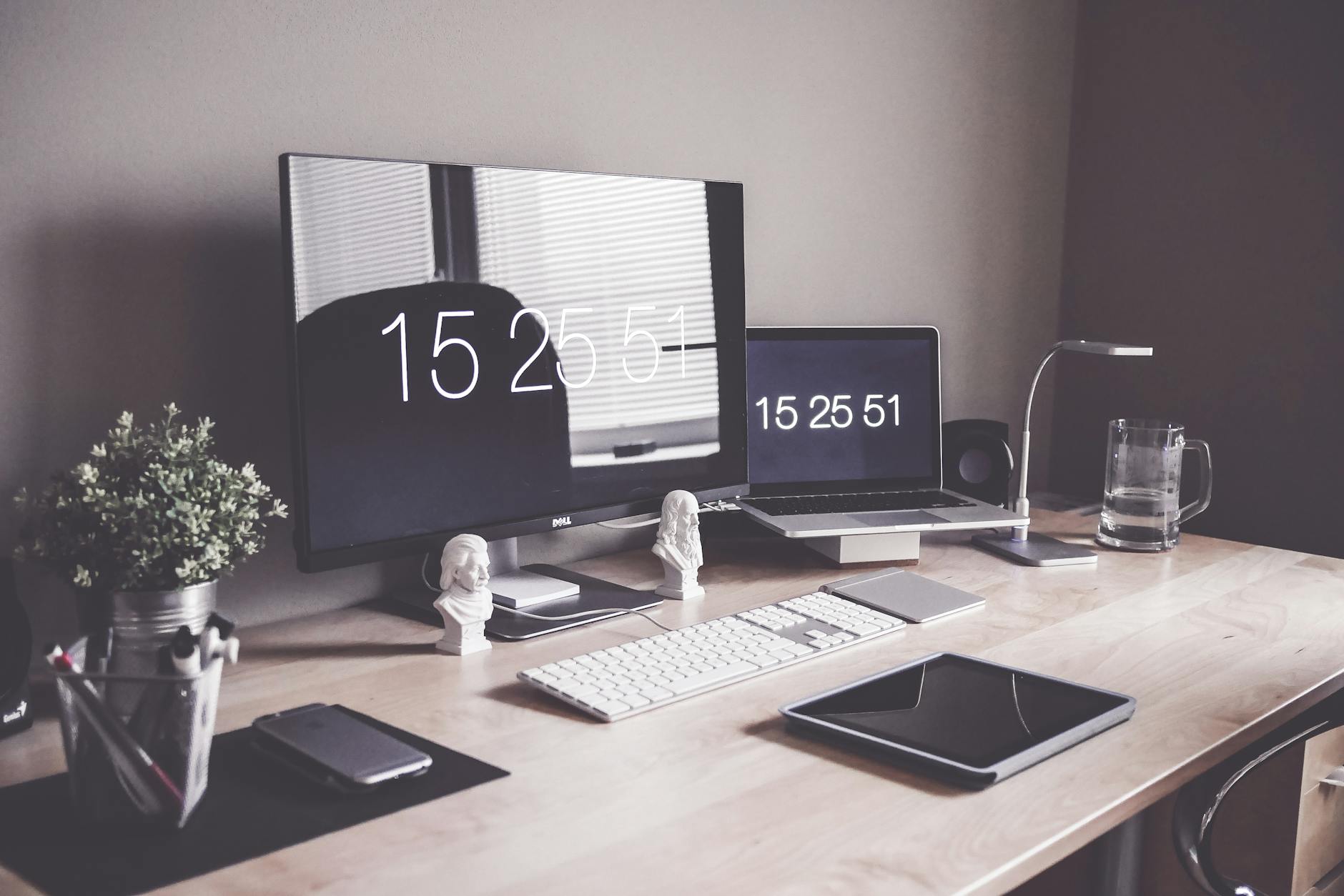
A viral 'Digital Declutter Challenge' is inspiring millions in 2026 to embrace minimalist living, streamline digital habits, and boost productivity. Experts and participants reveal the movement’s real-world impact.
Millions worldwide are joining the 2026 'Digital Declutter Challenge,' a viral movement encouraging minimalist digital living and productivity hacks, as reported by The Guardian and CNBC this week.
The Digital Declutter Challenge, launched in January 2026 by productivity expert Cal Newport and a coalition of tech wellness advocates, has rapidly gained traction on social media platforms like TikTok and Instagram. The challenge urges participants to systematically reduce digital clutter, unsubscribe from unnecessary emails, delete unused apps, and establish focused daily routines.

The movement’s timing coincides with a surge in remote work and digital fatigue, as more people seek ways to reclaim their time and mental clarity. According to a recent Pew Research Center survey, 68% of adults report feeling overwhelmed by digital distractions, a significant increase from pre-pandemic levels.
Origins of the Digital Declutter Challenge
The challenge draws inspiration from Newport’s bestselling book 'Digital Minimalism,' but its current iteration is uniquely interactive and community-driven. The official website, launched in early January, provides a 30-day roadmap with daily tasks such as organizing cloud storage, limiting social media use, and scheduling device-free hours.
Social media influencers have amplified the movement, sharing before-and-after screenshots, productivity tips, and testimonials. Hashtags like #DigitalDeclutter2026 and #MinimalistLiving have trended globally, with over 200 million combined views on TikTok, according to platform analytics.
Key Productivity Hacks Gaining Popularity
Participants are adopting specific hacks to streamline their digital lives. Popular strategies include the 'Inbox Zero' method, batch-processing notifications, and using minimalist productivity apps like Notion and Todoist. Experts recommend setting strict time limits for social media and leveraging focus modes on devices.

A study published in the Journal of Digital Wellness in February 2026 found that individuals who implemented these hacks reported a 37% increase in daily productivity and a 42% reduction in reported stress levels after just three weeks.
Real-Life Transformations
Personal stories have fueled the challenge’s momentum. Maria Lopez, a remote project manager from Austin, told CNBC she reclaimed over six hours weekly by deleting redundant apps and enforcing a nightly device curfew. 'I feel more present and less anxious,' she said.
Similarly, London-based freelancer James Patel shared his journey on Instagram, noting that unsubscribing from 120 newsletters and organizing his digital files reduced his daily decision fatigue. 'Minimalism isn’t just about less stuff—it’s about more focus,' Patel explained.
Expert Perspectives on Digital Minimalism
Psychologists and productivity specialists endorse the challenge, citing benefits for mental health and work-life balance. Dr. Emily Chen, a behavioral scientist at Stanford, told The Guardian that digital decluttering can 'significantly reduce cognitive overload and improve well-being.'
However, experts caution against extreme measures. 'The goal is intentional use, not digital abstinence,' said Newport in a recent podcast. He advises participants to focus on meaningful digital engagement rather than total disconnection.
Corporate and Educational Adoption

Companies and schools are also embracing the trend. Major firms like Salesforce and Google have introduced digital wellness workshops, while several universities now offer seminars on minimalist digital practices. According to a Salesforce press release, employee engagement scores improved by 18% after a month-long declutter initiative.
Educational institutions report similar benefits. The University of Melbourne’s pilot program saw a 25% drop in student-reported digital burnout, as detailed in a February 2026 faculty report.
Potential Long-Term Impact
Analysts predict the Digital Declutter Challenge could mark a turning point in how society approaches technology and productivity. Tech companies are responding by rolling out new features that support minimalist workflows and digital well-being, such as streamlined notifications and built-in focus tools.
Critics warn of potential drawbacks, including digital exclusion for those without access to the latest tools. Advocates counter that the movement’s principles are universally applicable, emphasizing intentionality over technology.
What’s Next for the Minimalist Movement?
Organizers plan to expand the challenge with regional events, expert webinars, and partnerships with mental health organizations. Newport’s team is developing a mobile app to guide users through the declutter process and track progress.
With millions already participating and more joining daily, the Digital Declutter Challenge is set to shape digital habits and productivity culture well beyond 2026. As the movement grows, its focus remains clear: less digital noise, more intentional living.
Sources
- The Guardian
- CNBC
- Pew Research Center
- Journal of Digital Wellness
- Salesforce
- University of Melbourne
Sources: Information sourced from The Guardian, CNBC, Pew Research Center, Journal of Digital Wellness, Salesforce, and University of Melbourne reports.