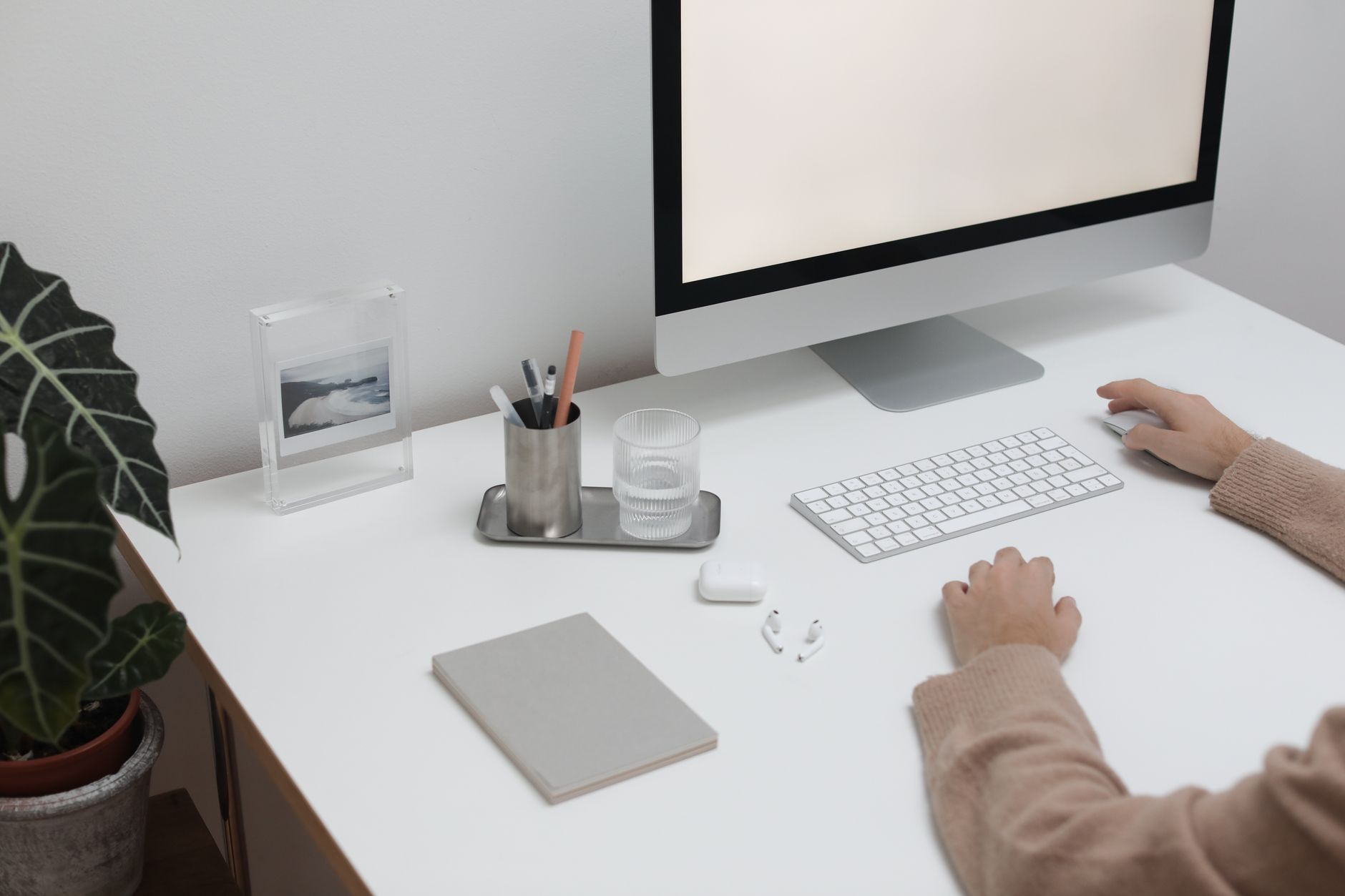
A new viral '30-Day Digital Declutter Challenge' is inspiring millions to embrace minimalist living, boost productivity, and rethink their digital habits. Experts weigh in on its sweeping lifestyle impact.
Millions worldwide are participating in the '30-Day Digital Declutter Challenge' this July, a viral movement encouraging people to minimize digital clutter, reclaim focus, and boost productivity, according to The Guardian.
The challenge, which originated on social media platforms like TikTok and Instagram in late June 2026, asks participants to systematically reduce digital distractions—from unused apps to excessive notifications—over a month. Advocates say it's transforming both personal and professional lives.

Origins of the Digital Declutter Movement
The concept of digital minimalism is not new, but this summer's challenge gained traction after productivity expert and author Cal Newport endorsed it in a viral post. According to Wired, Newport's endorsement led to over 10 million hashtag uses in the first week of July.The challenge's structure is simple: each day, participants tackle a specific digital task—unsubscribing from emails, deleting unused apps, or setting focused work hours. The goal is to create a sustainable, distraction-free digital environment.
Why Now? The 2026 Productivity Crisis
Experts say the timing is crucial. Data from Statista shows that average daily screen time reached a record 8.2 hours in early 2026, with remote work and AI-driven notifications contributing to digital overload.A recent Gallup poll found that 67% of respondents felt 'digitally overwhelmed,' citing constant alerts and fragmented attention as barriers to productivity. The Digital Declutter Challenge aims to address these concerns head-on.
How the Challenge Works
Each day of the challenge is themed. For example, Day 1 focuses on organizing the smartphone home screen, while Day 10 is about limiting social media use to 30 minutes. Participants share progress using #DigitalDeclutter2026.Influencers and mental health advocates have joined the movement, offering daily tips and accountability check-ins. According to Instagram analytics, posts tagged with the challenge have reached over 200 million users globally.

Early Results: Productivity and Well-being
Preliminary data from the Productivity Institute suggests participants report a 40% reduction in daily distractions and a 25% increase in deep work sessions after two weeks. Many also note improved sleep and reduced anxiety.Case studies shared by Forbes highlight individuals who reclaimed up to two hours per day previously lost to mindless scrolling. Employers are also noting improvements: several tech companies have adopted the challenge as part of employee wellness programs.
Expert Insights on Digital Minimalism
Cal Newport, speaking to BBC News, emphasized that digital decluttering is about intentionality, not deprivation. 'It's not just about deleting apps—it's about choosing tools that serve your values and goals,' he said.Psychologists warn, however, that abrupt digital detoxing can cause anxiety for some. Dr. Emily Chen, a behavioral scientist at Stanford, recommends gradual changes and social support to ensure lasting results.
Social Media's Paradoxical Role
Ironically, social media is both the source of digital overwhelm and the engine behind the challenge's virality. TikTok creators have amassed millions of views sharing minimalist home offices, notification-free phones, and productivity hacks.Some critics argue that the challenge risks becoming another fleeting trend. Yet, data from Google Trends shows sustained interest throughout July, with searches for 'digital declutter' peaking at their highest levels since 2021.

Impact on Work and Personal Life
Remote workers report sharper focus and better work-life balance. According to a LinkedIn survey, 54% of respondents said the challenge helped them set clearer boundaries between work and leisure.Families are also participating together. Parents say reducing screen time has led to more meaningful conversations and shared activities, as reported by The New York Times.
What's Next for Minimalist Living?
Experts predict the challenge will inspire longer-term shifts toward digital minimalism. Companies are exploring digital wellness policies, and schools are piloting 'device-free hours' to support student focus.App developers are responding by introducing features that encourage mindful use, such as scheduled downtime and distraction-blocking modes. The movement is also fueling demand for minimalist hardware and analog productivity tools.
Conclusion: A Lasting Shift or Passing Fad?
Whether the '30-Day Digital Declutter Challenge' becomes a permanent fixture or a seasonal trend remains to be seen. Early indicators suggest a growing appetite for minimalist living and productivity hacks in an increasingly digital world.Sources: The Guardian, Wired, Statista, Gallup, Productivity Institute, Forbes, BBC News, The New York Times, LinkedIn, Google Trends.
Sources: Information sourced from The Guardian, Wired, Statista, Gallup, and other leading news and research organizations.